
Last updated November 15, 2026
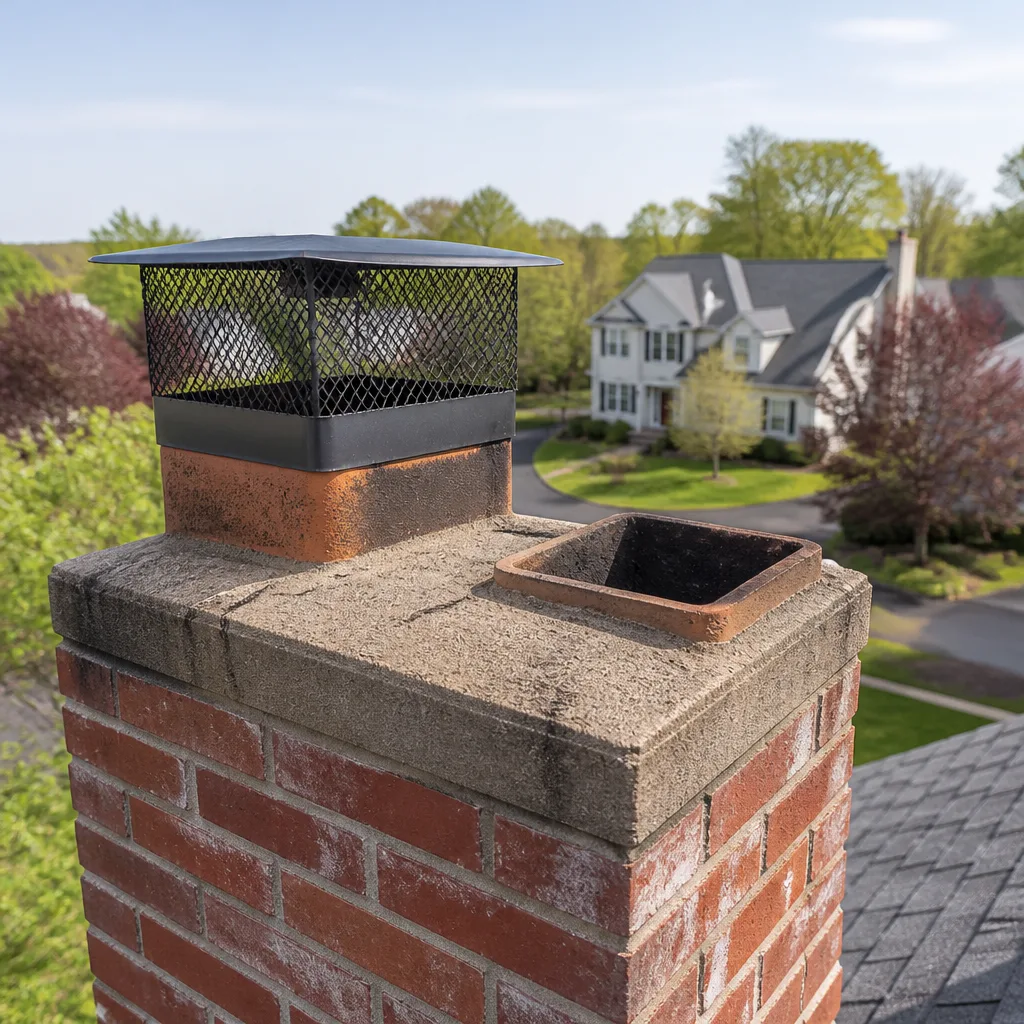 Sweep & inspection
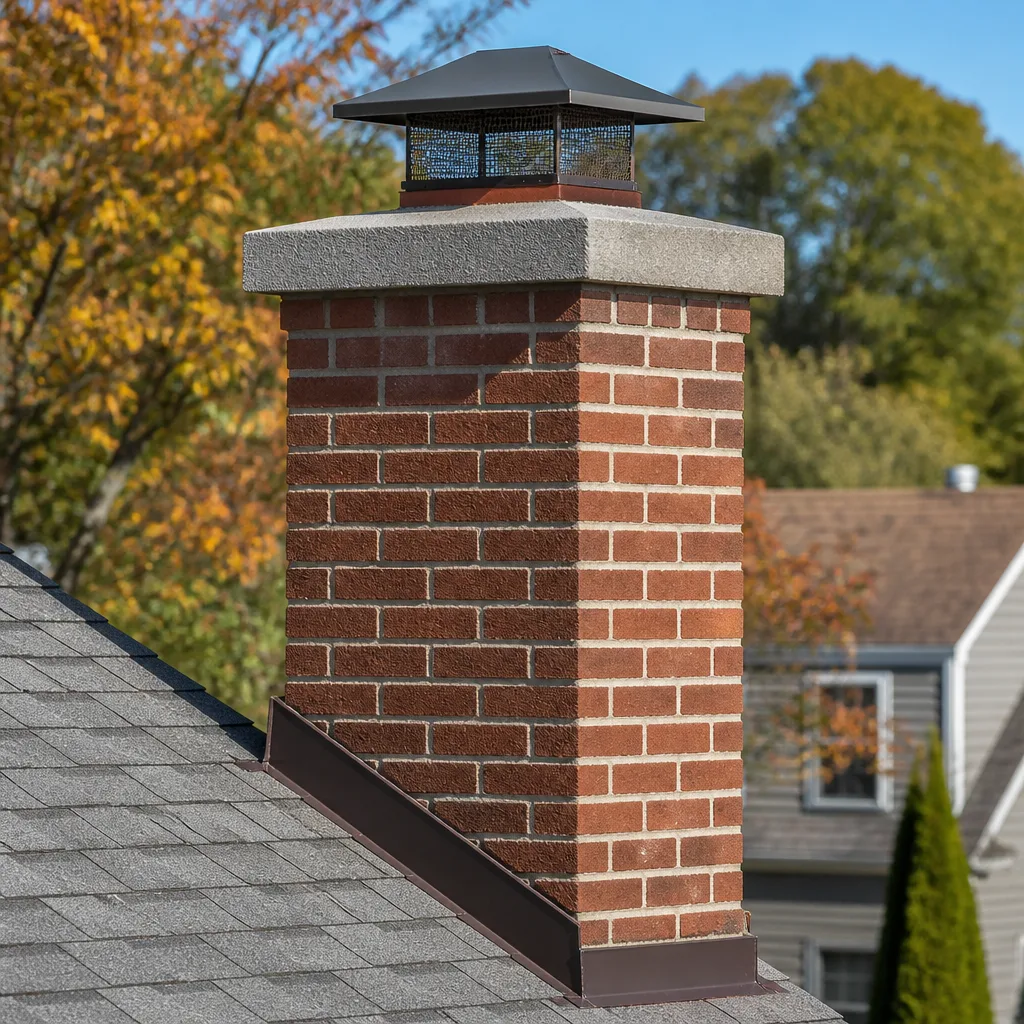 Caps & crowns
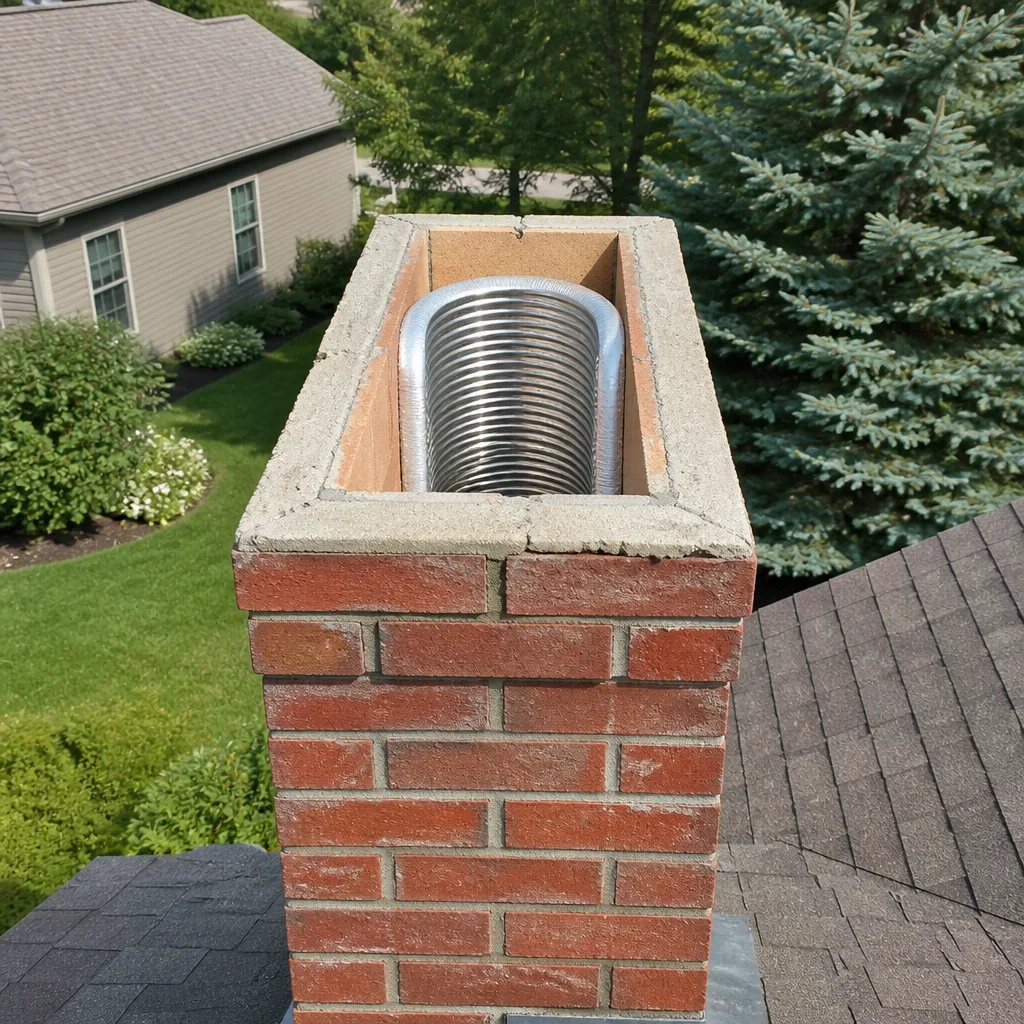 Flue relining
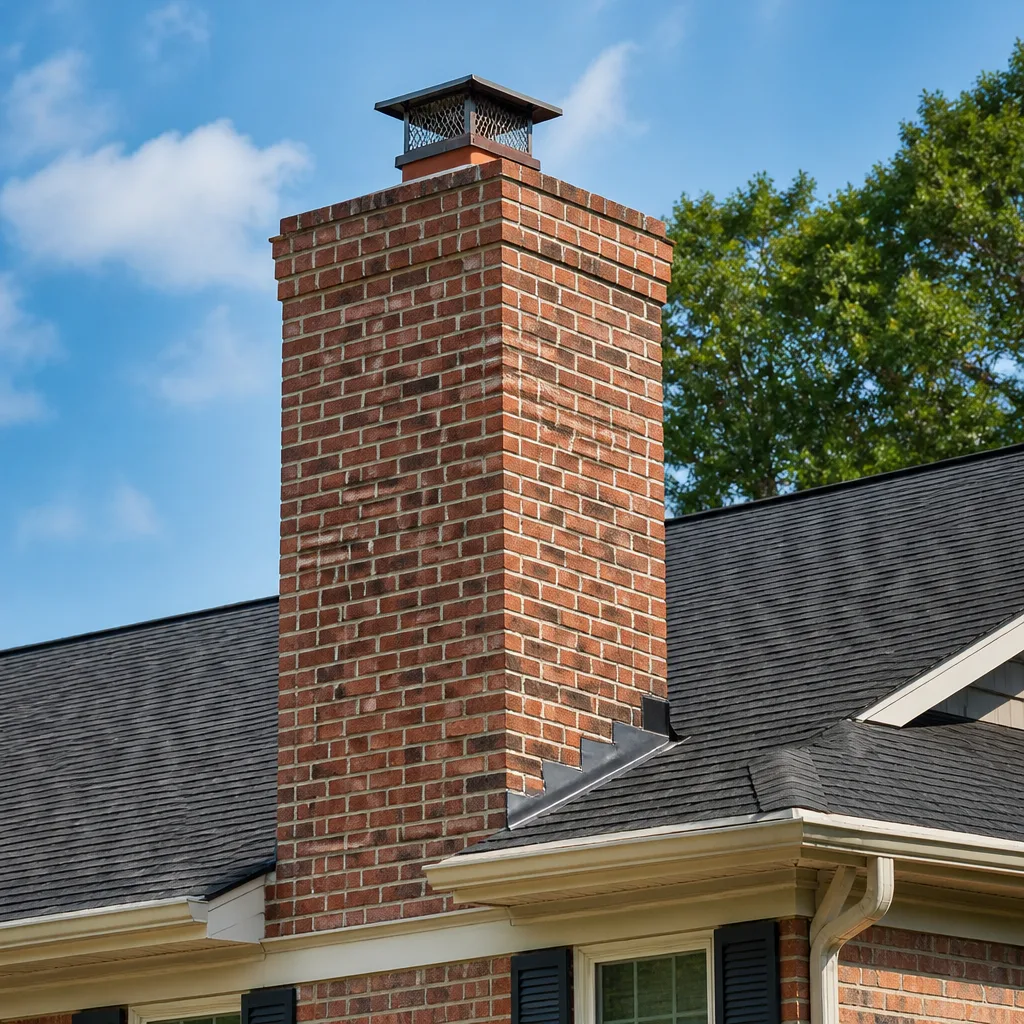 Masonry repair
 Gas fireplace service
Level 1 sweep and inspection to the NFPA 211 annual standard - flue, crown, cap, and flashing checked and photographed
Chimney sweep logs do not sweep chimneys. They loosen some creosote - which then falls where a brush and vacuum still have to collect it.
DIY vs Professional Chimney Cleaning: The Waco Homeowner’s Decision Guide
Chimney brushes sit on hardware store shelves for a reason, and it’s not because they’re useless. Brushing a flue is not technically complicated: you push a round brush down a straight pipe and pull soot and creosote out with it. Any reasonably handy homeowner can do that part. But cleaning is maybe 20 percent of what a professional chimney visit accomplishes. The other 80 percent is the inspection, the creosote staging, and the liner evaluation that tells you whether your system is safe to light again. That part is not something you can do with a brush and a ladder. In this guide we’ll walk through what you can safely handle yourself between visits, what genuinely requires professional equipment, and how to make the call for your own chimney here in Waco.
Quick Answer
You can safely sweep ash from the firebox and look over the cap and crown yourself, but a full professional cleaning and inspection is worth it once a year for anyone burning wood regularly. Professional cleaning catches what a brush cannot: Stage 2 and Stage 3 creosote, cracked or misaligned liners, and smoke chamber problems that are invisible from the hearth. If your chimney hasn’t been professionally inspected in over a year, or you’re burning wood more than a few times a month, book a professional sweep and skip the DIY route.
Styles & brands we work with
- Sweep & inspection
- Caps & crowns
- Flue relining
- Masonry repair
- Gas fireplace service
Table of Contents
- What DIY Chimney Cleaning Actually Covers
- What a Professional Cleaning Actually Includes
- The Creosote Staging Problem
- What You Can Safely Do Between Professional Visits
- Tasks That Require Professional Access
- The Insurance and Liability Argument
- The Decision Matrix: System Age, Fuel Type, and Last Service Date
- Tools, Materials, and Why Grade Matters
What DIY Chimney Cleaning Actually Covers
A homeowner with the right brush and a set of rods can do real work inside a firebox and flue. Here’s what a DIY cleaning realistically reaches:
- The firebox floor and walls. Ash, soot, and loose debris can be swept and vacuumed out without touching the flue system.
- The damper and smoke shelf. A shop vacuum with a HEPA filter and a hand brush can clear soot from the damper area and the smoke shelf above it.
- The lower flue. A stiff chimney brush on flexible rods can reach the first few feet of a straight flue, knocking down loose soot and light Stage 1 creosote.
- Exterior visual checks. Looking at the cap, the crown, and the flashing from the ground or a safe vantage point can spot obvious cracks, missing cap screens, or rust.
What that list does not reach is the flue above the first few feet, the smoke chamber, the upper liner joints, or the space behind a damper. In a typical Waco home with a masonry fireplace, the flue runs up an exterior chimney chase and can be anywhere from 12 to 30 feet tall. Hand rods work for the short ones. They don’t work for tall flues or flues with offsets, and they never give you a view of the liner interior. That’s the limit of what DIY covers, and it’s a real limit.
We’re not saying the DIY work has no value. A homeowner who keeps a clean firebox and clears loose soot between professional visits makes the chimney easier to service and keeps the hearth area tidier. What we are saying is that a clean-looking firebox is not the same as a clean and safe chimney system.
What a Professional Cleaning Actually Includes
A professional sweep is a two-part service: the cleaning, and the inspection that comes with it. A thorough professional visit in Waco typically includes:
- A full brush sweep of the flue. Pro-grade brushes and a powerful vacuum capture soot rather than pushing it into the room.
- A liner camera inspection. A small camera run the length of the flue shows cracks, gaps, spalling, and creosote buildup that no brush or flashlight can reveal.
- Creosote stage classification. A professional identifies whether the buildup is Stage 1 (light soot), Stage 2 (hard black creosote), or Stage 3 (glazed and glassy), which is what determines the treatment plan.
- Smoke chamber inspection. The smoke chamber sits between the firebox and the flue and is the hardest part of a chimney to clean and inspect. It’s also where a lot of problems hide.
- A written report with photos. You get exactly what was found and what, if anything, needs doing. We’ll tell you what your chimney needs and why, and you keep the photos so you can verify the reasoning yourself.
That list is why we say a professional visit is only about 20 percent cleaning. The inspection and liner evaluation are the entry point for repair work, and without them almost nothing real gets caught. Our technicians have up to 14 years of experience doing exactly this, and they work with the same professional-grade product lines that full-time contractors rely on, including chimney repair materials from HeatShield and liner systems from Olympia Chimney.
The Creosote Staging Problem
Creosote is the tar-like residue that forms when wood smoke cools on its way up the flue. It’s the reason professional cleaning exists. There are three stages, and they behave very differently:
- Stage 1 creosote is light, flaky, dusty soot. A brush removes it. This is the only stage DIY cleaning can genuinely handle.
- Stage 2 creosote is hard, black, and crusty. A brush knocks the surface off but leaves the layer behind, and that layer keeps growing. Stage 2 buildup eventually closes off part of the flue and reduces draft.
- Stage 3 creosote is glazed, glassy, and dense. It’s essentially a fuel layer bonded to the liner wall. A brush does not remove it. Stage 3 is the most flammable stage and the one you don’t want sitting in your flue.
This is the single biggest reason DIY cleaning misses the mark. You can brush a Stage 2 or Stage 3 flue all day and the buildup will still be there, now with the brittle surface knocked off and a thinner but still dangerous layer underneath. A chimney that looks brushed and clean from the fireplace end can still have a glazed liner interior.
Professional chemical treatment is what handles Stage 2 and Stage 3. Products like creosote remover powders and poultice-style removers work by softening the bonded layer over time so it can be brushed free safely. The Creosote stage classification is what determines which treatment is appropriate, which is exactly why classification matters before any treatment begins.
Why Stage 2 and Stage 3 Are Not Brush-Removable
A brush is a mechanical tool. It scrapes the surface it contacts. Stage 2 and Stage 3 creosote isn’t sitting on the surface; it’s chemically bonded to the clay or metal liner. Mechanical scraping either bounces off it, knocks a small amount loose, or scratches the liner in the process. What actually works is a staged approach: chemical softening over the session, then brushing, then re-treating. That’s a professional workflow with a professional product line behind it, not a Saturday project.
What You Can Safely Do Between Professional Visits
There’s a real list of things you can do between professional visits that genuinely extends the life of your system and improves the next service. Here’s what we’d hand a Waco homeowner if they asked:
- Sweep the firebox regularly. Ash and cinders removed once a week during burning season keep the firebox clean and reduce what a professional has to move on the next visit.
- Clean the glass on a wood stove. A wet paper towel and a bit of ash is enough. Clean glass lets you see flame color and smoke patterns, which are your own early warning signs.
- Check the cap and spark screen from the ground. A missing cap or a torn spark screen is visible without a ladder. If something looks wrong, note it and call it in. Don’t climb.
- Inspect the crown and flashing from a safe vantage point. A ground-level look at the chimney top, or a look from a second-floor window, can show a cracked crown or loose flashing. Both are worth a call.
- Watch the smoke when you burn. Thick, gray, rolling smoke on a hot fire indicates poor draft and is a sign your flue needs attention. Thin, mostly clear smoke is what you want.
- Burn dry, seasoned wood. Wood with high moisture content produces more creosote. Store firewood somewhere that actually lets it dry rather than under a tarp.
Notice what’s not on that list: anything that puts you on the roof, anything that requires opening the flue system, and anything that involves treating creosote. Those are the lines. Stay inside them and the DIY parts of this job are genuinely useful.
Tasks That Require Professional Access
Some jobs are not about willingness or skill. They’re about tools and access. These tasks require professional equipment:
- Liner camera inspection. A professional camera run the length of the flue is the only way to see cracks, joint separation, or spalling inside a liner. Without it you are guessing.
- Creosote stage classification. Proper staging depends on the camera view and physical inspection from the top and bottom of the flue.
- Smoke chamber cleaning and resurfacing. The smoke chamber is the sloped space above the damper. Cleaning it requires access from above and a lot of physical work. Resurfacing it requires HeatShield or an equivalent refractory product applied to spec.
- Relining. A damaged liner needs a stainless system (DuraFlex and Olympia Chimney are the standard lines we work with) installed with the right insulation, the right connections, and the right clearances. This is not a homeowner-installed part.
- Chimney cap and crown repair. Repairs involving Gelco or Famco components can look simple from the ground, but the fit and flashing details are what keep water out. Getting that wrong causes more costly damage than the original problem.
For a broader walkthrough of what a routine professional sweep involves in our service area, our chimney sweep page spells out what a visit actually covers.
The Insurance and Liability Argument
Here’s a point worth being straightforward about: if a chimney fire happens and an insurance claim follows, the claims adjuster will want to see records of professional inspection and cleaning. A homeowner who has done documented DIY cleaning without any professional inspection on record has something much weaker to hand an adjuster. That isn’t a scare tactic, it’s how claims documentation works in practice. Homeowner’s insurance generally expects chimneys to be professionally inspected and cleaned on a routine schedule, and a documented service history is part of how that gets proven.
This doesn’t mean a DIY cleaning voids a policy. Most policies don’t have a clause like that. What it does mean is that the burden of proof shifts. Reconstructing a maintenance history after a loss is much harder than producing a written inspection report with photos from the prior year. If you’re hiring a chimney professional for anything in Waco, ask whether they document what they find. A professional visit produces a written record. A DIY Saturday produces an empty ash can.
What Documentation Should Look Like
For a homeowner keeping records, three things should be on file after any professional visit: a written report of what was found, photo documentation of the liner interior, and the date of the service. Inspection-only visits for real estate and insurance documentation purposes should produce the same. If a chimney company doesn’t provide written documentation, the visit is worth a fraction of what a documented inspection is worth. Our three services (sweeping, repair, and documented inspection) all produce a written record for exactly this reason.
The Decision Matrix: System Age, Fuel Type, and Last Service Date
Here’s a simple way to think about the decision. Three inputs matter most: how old the system is, what you burn, and when it was last professionally serviced.
Input 1: System Age
- Under 10 years old, no known issues. DIY firebox maintenance plus an annual professional inspection is the right balance.
- 10 to 25 years old. Liner and smoke chamber evaluations become more important. Professional inspection annually is a minimum.
- Over 25 years old, or unknown age. Professional inspection before each burning season, with liner camera inspection, is the baseline. Old masonry liners develop cracks.
Input 2: Fuel Type
- Wood-burning fireplace in regular use. Annual professional sweep and inspection. Creosote builds fastest on wood.
- Wood stove or insert. Annual professional sweep. Stoves and inserts run hotter and slower than open fireplaces, which means more complete combustion but also more concentrated creosote in the flue.
- Gas or pellet. Annual professional inspection, but the creosote load is lower and the cleaning burden is lighter. Venting problems matter more than creosote in a gas system.
Input 3: Last Professional Service Date
- Within the last 12 months. DIY maintenance between visits is fine. Book the next inspection on schedule.
- 1 to 3 years ago. Book a professional sweep and inspection now. Not urgent in the sense of “tonight,” but not something to defer another winter.
- Over 3 years ago, or never. Professional inspection should happen before the next fire. This is the highest-risk category for a hidden liner problem.
Stack those three inputs and you have your answer. A 5-year-old gas fireplace serviced last year can be safely held to annual inspection. A 30-year-old wood-burning masonry chimney with no service history needs a professional in the near term. In our experience, the homeowners who ask whether they can DIY are usually the ones whose setup is already borderline, and the professional visit is what settles it.
Tools, Materials, and Why Grade Matters
One more distinction worth drawing: DIY chimneys and professionally serviced chimneys tend to fail for different reasons over time. DIY-only chimneys usually fail because the liner interior was never inspected and small cracks grew into liner replacements. Professionally serviced chimneys usually fail only after their expected life, because the small stuff got caught early. The difference is materials and access, not effort.
That’s why we work with an intentional roster of professional-grade product lines rather than whatever’s on the shelf at a home improvement store. HeatShield for smoke chamber and flue resurfacing. Olympia Chimney and DuraFlex for liner systems. Gelco and Famco for cap, cover, and venting components. Copperfield for supply. These are the same sources professional chimney contractors nationwide rely on, and working with them means the repairs and relines we handle for a Waco homeowner are built to last between visits, not just cleaned for the day. Professional-grade materials, not big-box substitutes, is one place where the DIY argument simply can’t follow.
If you want the broad picture of what we do across Waco, that page lists our three services (sweeping, repair, and inspection) and how they fit together. For homeowners in Waco weighing the DIY question, it’s worth a look before booking.
Common Mistakes to Avoid
- Brushing a Stage 2 or Stage 3 flue and calling it clean. Surface brushing on glazed creosote knocks off the brittle layer and leaves the dangerous layer behind. You’ve done work, but you haven’t made the chimney safer.
- Skipping the inspection because you did the cleaning. A clean firebox is not an inspected chimney. The two are different services, and the inspection is the one that matters for insurance and long-term safety.
- Getting on the roof. Waco’s weather is mild most of the year, but roofs are still roofs. A fall from a one-story house is a serious injury. A ground-level look, or a look from a second-floor window, is enough for visual spot checks.
- Using the wrong-sized brush. A brush sized too small leaves crescents of buildup on the flue walls. A brush sized too large can damage a metal liner. Diameter matters, and most homeowners don’t know their liner diameter.
- Burning wet or unseasoned wood. High moisture content drives creosote formation from the first fire. Dry, seasoned wood is the single highest-impact DIY decision a homeowner makes.
- Ignoring the smoke chamber. It is the hardest part of the system to clean and inspect, and DIY work essentially never reaches it. Problems there turn into expensive repairs.
- Treating a documented DIY history as a substitute for professional documentation. As above, a claim after a fire is much harder to resolve without a written professional record on file.
See the difference
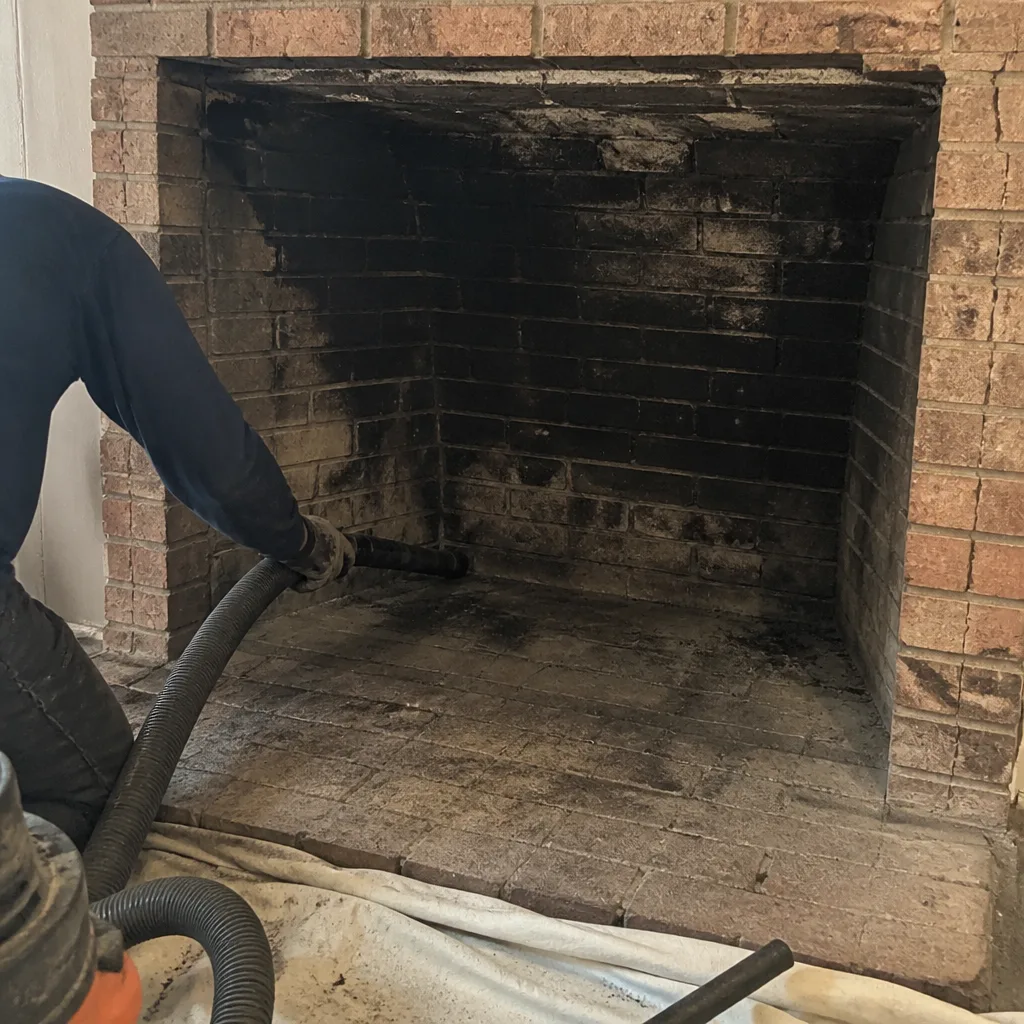 Before
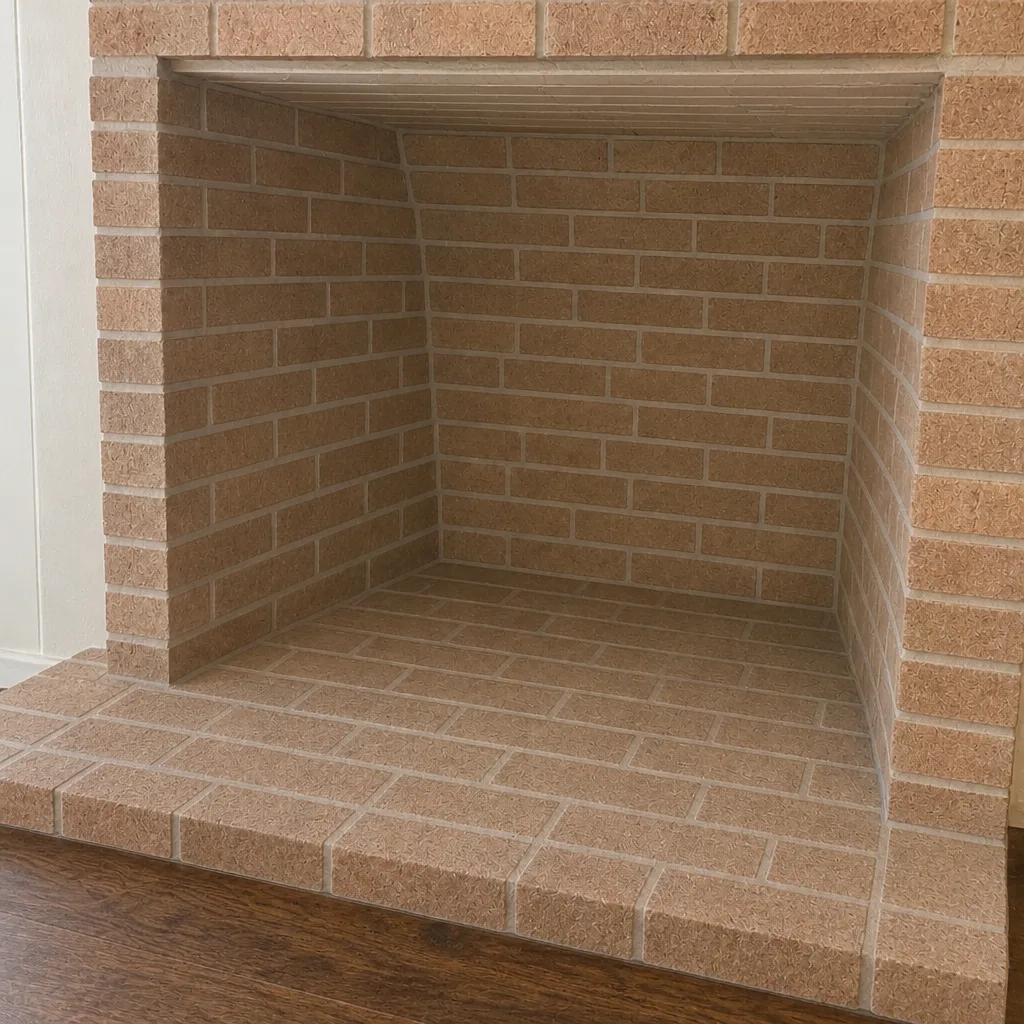 After
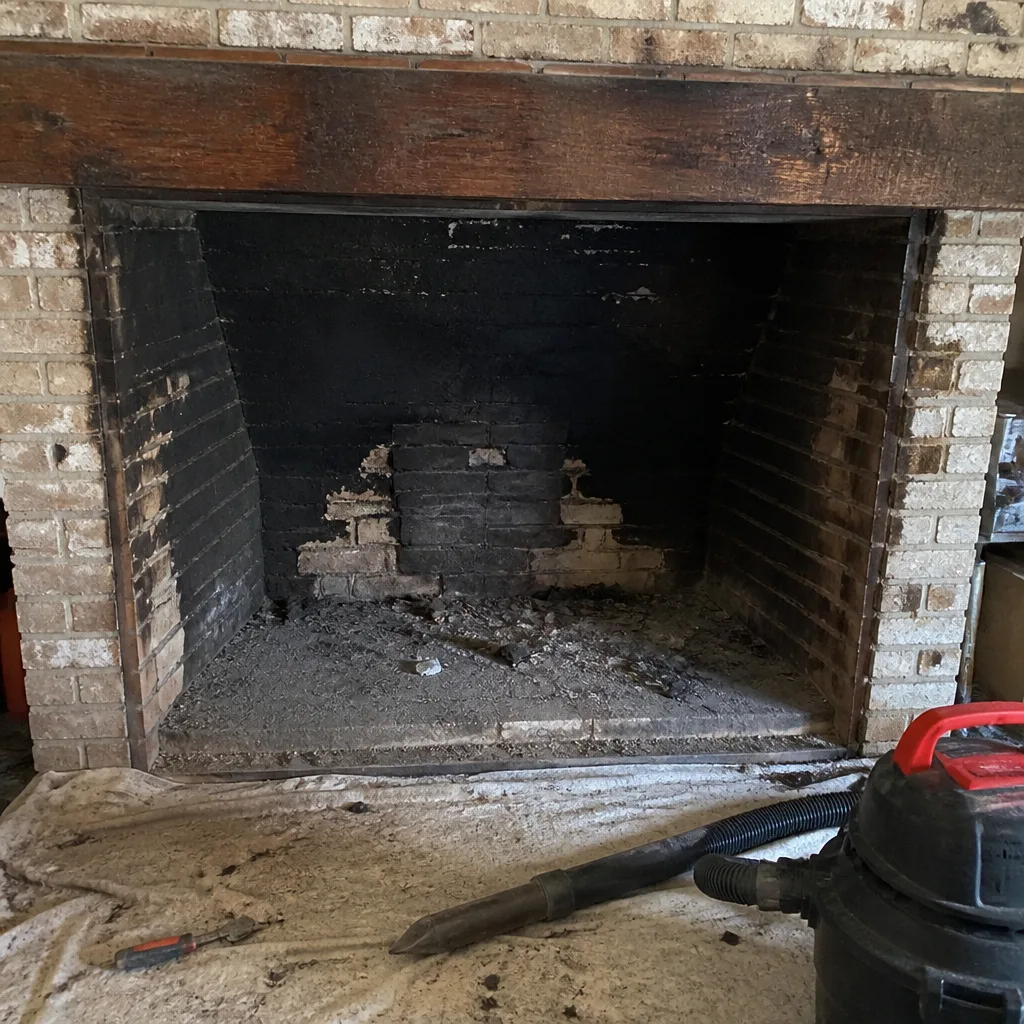 Before
 After
 Before
 After
When to Call a Professional
Call a professional if any of the following apply: your chimney hasn’t been inspected in over a year; you’re burning wood more than a few times a month (a sweep plus inspection is recommended annually in that case); you’ve spotted smoke coming from the chimney top for more than a few minutes after lighting; you notice the firebox or hearth smells strongly of creosote after a burn; the masonry shows visible cracks in the crown or the flashing is loose; you’re buying or selling a home in Waco and need documented inspection; or you simply want a written record on file. Chimney Sweep Waco offers free estimates in Waco, call (866) 370-3896. Call (866) 370-3896. We answer 24/7. Fast dispatch from 7am to 7pm, Sunday through Friday. Sweep, repair, and inspect handled by one specialist, with professional-grade products installed by people who know how they work.
Frequently Asked Questions
Yes, you can safely sweep ash from the firebox, clear loose soot from the damper and smoke shelf, and do visual checks of the cap and crown from the ground. What you cannot safely do yourself is inspect the liner interior, classify creosote stages, or reach the smoke chamber. Call (866) 370-3896 for an exact quote on a professional visit, which is free to estimate.
Once a year for anyone burning wood regularly, and once a year for inspection even if you burn infrequently. Waco’s burning season runs long, so “regularly” usually means more than a handful of fires a month. Annual service catches liner problems in early stages, when repairs are simpler. Call (866) 370-3896 to schedule an annual sweep and inspection.
If a fire occurs and you file an insurance claim, the adjuster will want documentation of professional inspection and cleaning, and a DIY history alone is much weaker evidence. It doesn’t typically void a policy, but it shifts the burden of proving maintenance onto you. Call (866) 370-3896 for a documented professional inspection you can keep on file.
No. Stage 2 and Stage 3 creosote are chemically bonded to the liner wall, not sitting on the surface, and a brush cannot remove them. They require professional chemical treatment with products designed for the job, followed by brushing. That’s a professional workflow, and guessing at it can damage the liner. Call (866) 370-3896 for a creosote assessment and treatment plan.
Yes, especially if the system is over 10 years old or you don’t know the service history. An uninspected chimney is a hidden condition, not a deferred cost, and problems don’t announce themselves. A written inspection report also transfers usefully if you sell the home. Call (866) 370-3896 for an inspection with documentation.
A sweep cleans the flue and firebox; an inspection evaluates the system’s condition with a liner camera and a written report. Many professional sweeps include a basic inspection, but a dedicated inspection goes deeper, and both are worth having done annually. Call (866) 370-3896 to book either, and we’ll tell you exactly what your chimney needs and why.
The Bottom Line
DIY chimney cleaning handles the firebox, the damper, and the first few feet of a straight flue, and those are worth doing between professional visits. What DIY cannot safely reach is the liner interior, the smoke chamber, and Stage 2 or Stage 3 creosote, and those are exactly where dangerous conditions hide. The real decision comes down to three inputs: how old the system is, what you burn, and when it was last professionally serviced. If any of those are uncertain, the professional visit settles it. For Waco homeowners who use a wood-burning fireplace or stove regularly, our recommendation is straightforward: keep up the DIY maintenance inside the firebox, and have a professional sweep and inspection done every year. We work with Chimney Sweep Waco professional-grade product lines (HeatShield, Olympia Chimney, DuraFlex, Gelco, and Famco) for any repairs a visit uncovers, so sweeping, repair, and inspection are handled by one specialist rather than coordinated across three.
Chimney Sweep Waco offers free estimates in Waco, call (866) 370-3896. We answer 24/7. Fast dispatch from 7am to 7pm, Sunday through Friday. The written estimate sets the final price, nothing extra is added to it, and you’ll know exactly what your chimney needs and why before any work begins.
Written by the team at Chimney Sweep Waco.