
Last updated November 15, 2026
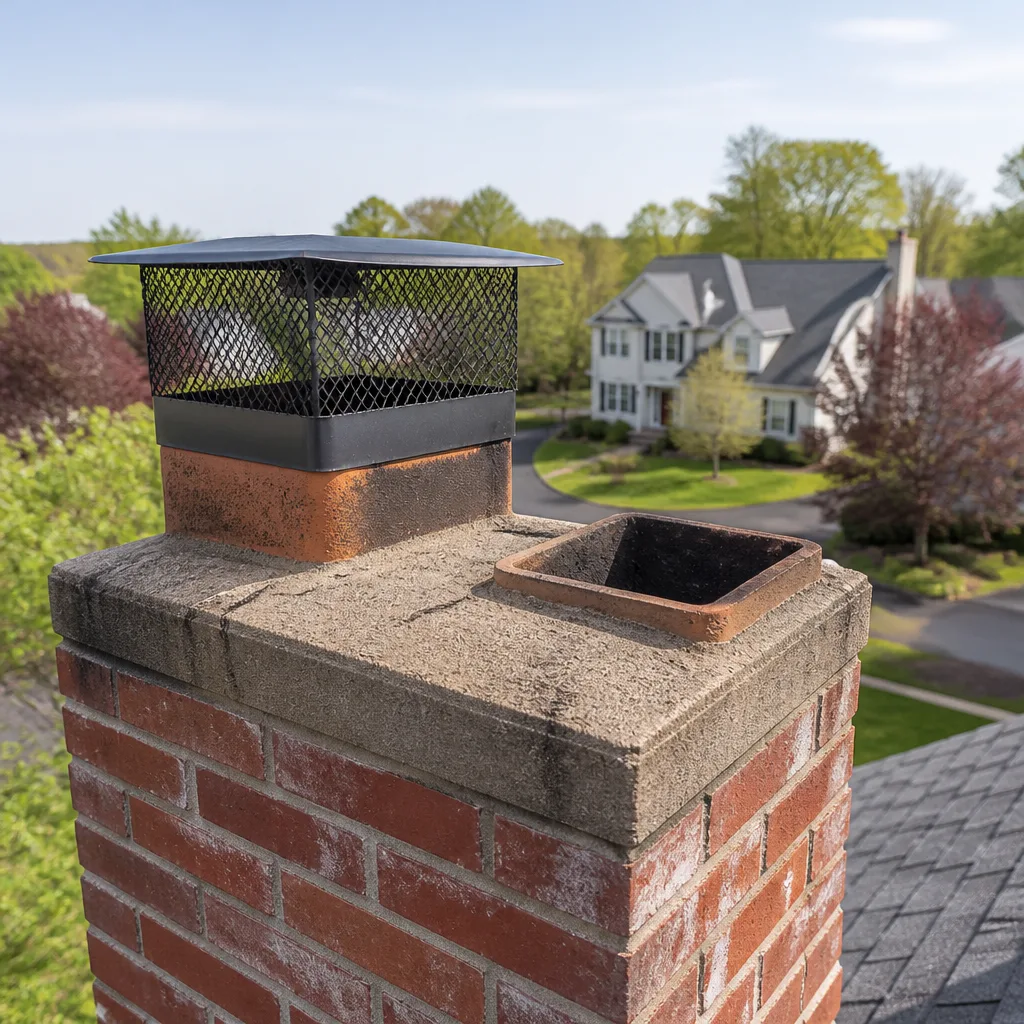 Sweep & inspection
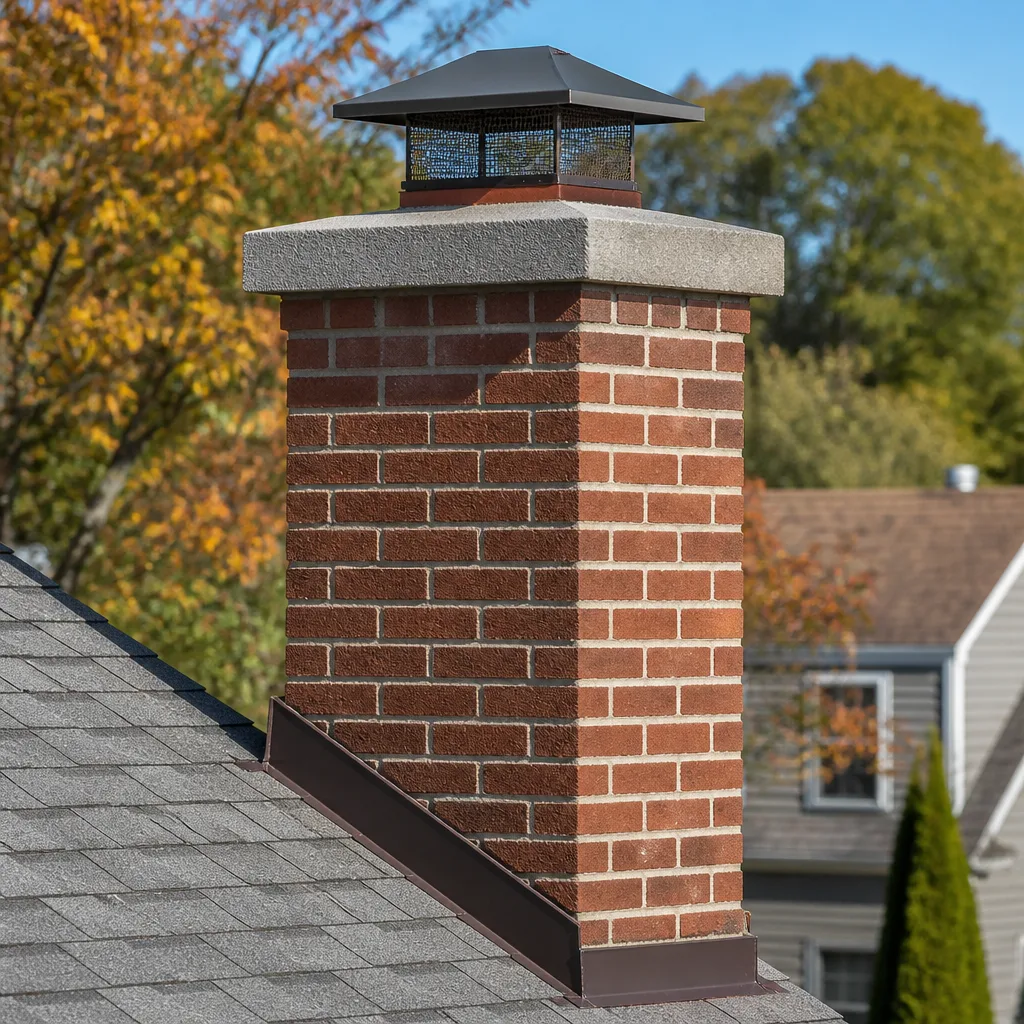 Caps & crowns
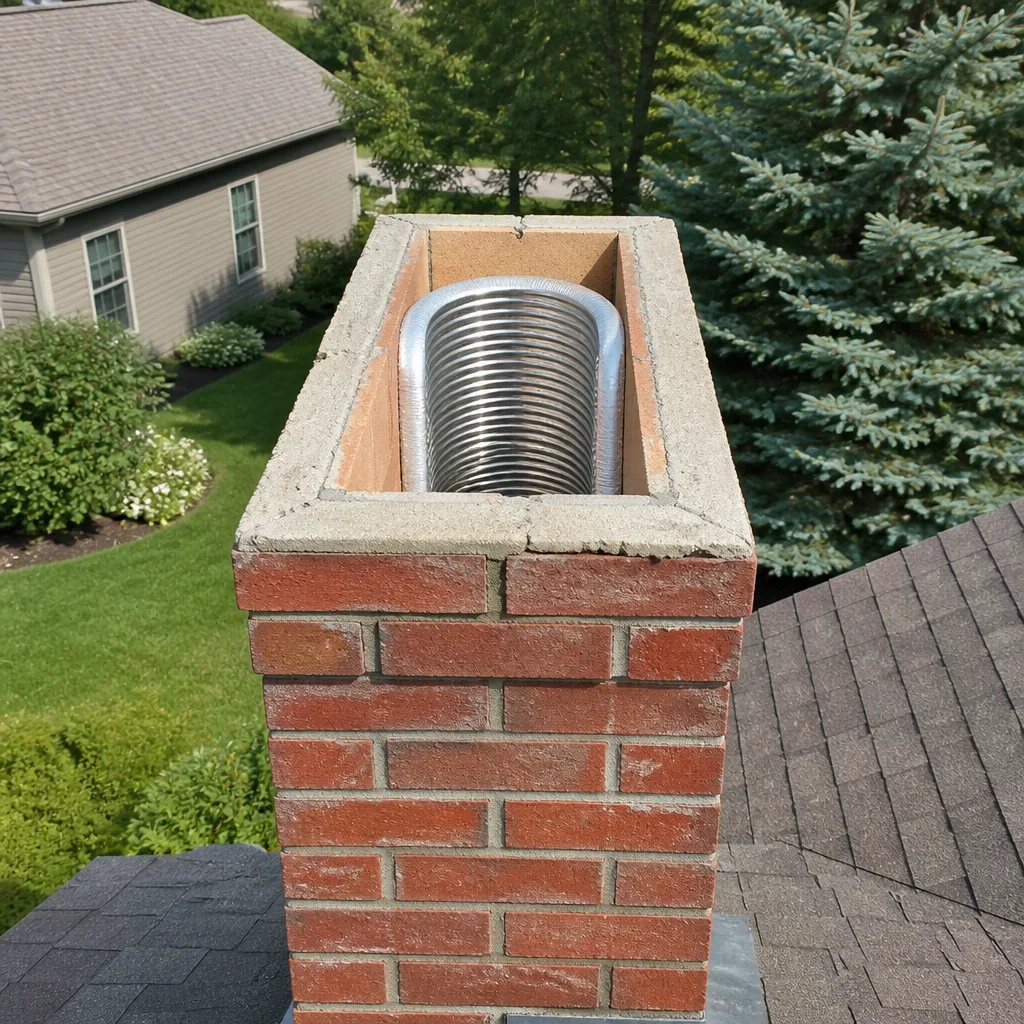 Flue relining
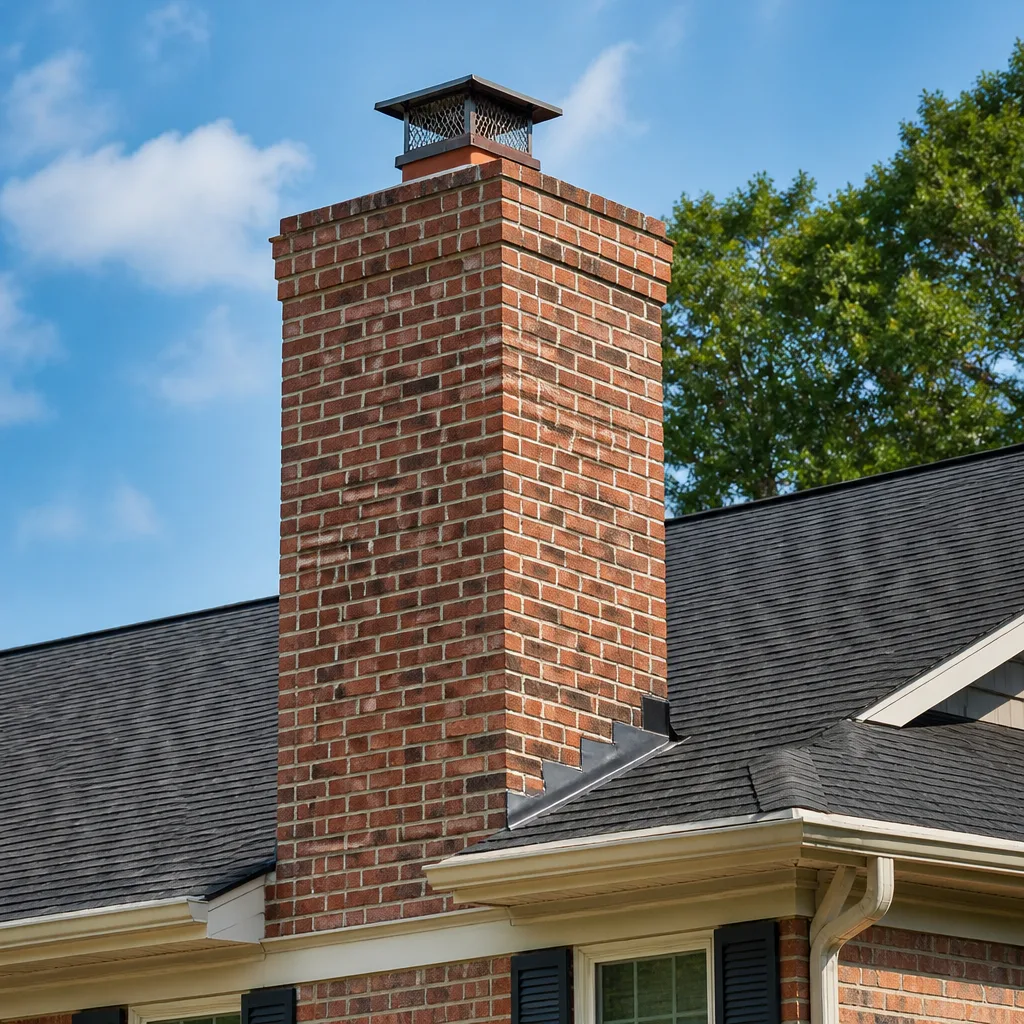 Masonry repair
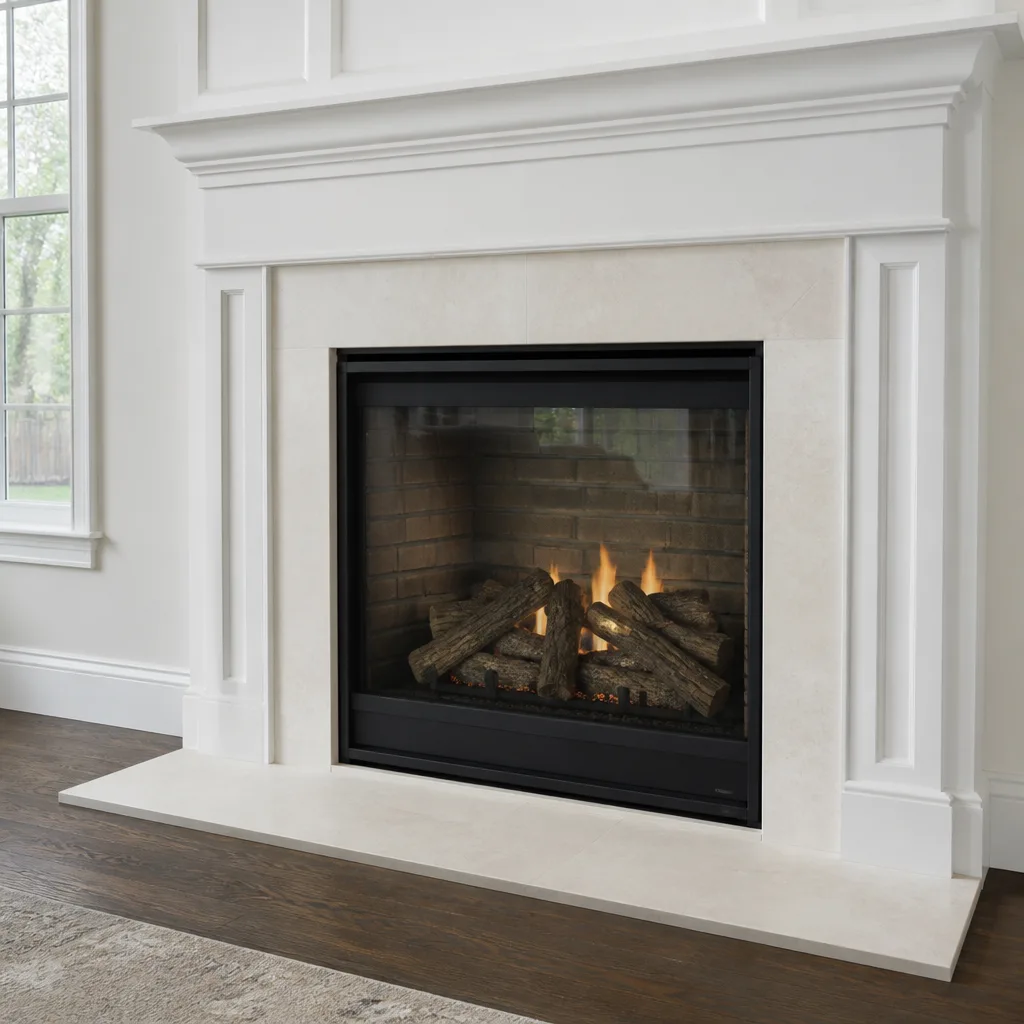 Gas fireplace service
Level 1 sweep and inspection to the NFPA 211 annual standard - flue, crown, cap, and flashing checked and photographed
Chimney sweep logs do not sweep chimneys. They loosen some creosote - which then falls where a brush and vacuum still have to collect it.
Seasonal Chimney Cleaning Care for Waco: Year-Round Homeowner’s Guide
Most national chimney guides tell you to clean in spring, right after the last fire. In Waco that advice and the local weather aren’t on speaking terms. Our summers bake the crown, our humidity works its way into uncapped flues, and the window between “too hot to think about the fireplace” and “first cold front” is short enough that a homeowner who waits until October is starting the burn season on a system nobody has looked at since March. This guide covers the maintenance rhythm that actually fits Central Texas: what to do in late summer, what to check after thunderstorm season, how to winterize a flue you won’t use, and what to look at in spring after a full heating season.
Quick Answer
For a Central Texas home, the best time to schedule a chimney sweep and inspection in Waco is late August through September, before the first cold front and before the burn season starts.
Spring cleaning has its place for checking what a full winter of burning left behind, but it is not the appointment that protects you. The seasonal rhythm that works here runs on prep, not cleanup: sweep and inspect before you need the fireplace, address storm damage after spring hail, and verify again before the first fire.
Styles & brands we work with
- Sweep & inspection
- Caps & crowns
- Flue relining
- Masonry repair
- Gas fireplace service
Table of Contents
- Why August and September Beat April and May
- How Central Texas Heat and Humidity Degrade a Chimney
- What to Check After Waco Thunderstorm Season
- Winterizing a Chimney You Won’t Use
- Spring Tasks After a Full Burn Season
- Building a Year-Round Waco Schedule
- Common Mistakes to Avoid
- Frequently Asked Questions
Why August and September Beat April and May
The guidance you’ll find on most chimney websites was written for a climate with a long, wet spring and a short, cold winter. Sweep in spring, they say, and you’ll clear the soot before summer humidity turns it acidic. That logic has a real basis in colder regions. It just isn’t the rhythm that fits Waco, where the gap between the last fire of one season and the first fire of the next is short, and the destructive season isn’t spring at all.
Here is what the local calendar actually looks like:
- Late spring through summer: The chimney sits idle while outside air temperatures climb well past anything a chimney was ever going to dry out in. Heat and humidity get six months to work on mortar, crowns, and gaskets with no fire to counteract the moisture.
- Late August through mid-September: The heat breaks just enough that a homeowner will actually think about the fireplace. This is the window where a chimney sweep and inspection can catch whatever the summer did, with enough lead time to fix it before the first cold front.
- October through February: Burn season. This is when the system needs to be ready, not in the shop.
- March through May: You get a look at what a full burn season left behind, and you get the spring hail window. Useful, but it’s a post-mortem, not a tune-up.
Sweeping in April and calling it done means the report you’re working from is already five months old by the time you light a fire. In our experience, the homeowners who have the least trouble in January are the ones who booked in September. And because the late-summer window is a busy one for anyone who does this work, booking a sweep-and-inspect in Waco in August is how you avoid discovering, the week of Thanksgiving, that no one has an opening before you need it.
How Central Texas Heat and Humidity Degrade a Chimney
Waco’s summer is a slow test for a chimney, and the damage is quiet. Nothing dramatic happens on any one day. What actually wears a chimney down between heating seasons is the combination of heat cycling and moisture doing its work, and the three failure points we see most often are the crown, the mortar joints, and the damper seal.
The crown takes the brunt
The crown is the slab of masonry at the very top of the chimney that sheds water away from the flue. It’s the first thing to take sun, and it’s the last thing to get inspected because nobody looks at their roof. Repeated heating and cooling can hairline-crack a crown, and once there’s a crack, water has a path straight down into the masonry below.
Mortar joints soften with moisture
Mortar is porous. It’s designed to be. What it was not designed to do is stay damp for extended stretches. In a climate with this much humidity, an uncapped or poorly capped flue can hold moisture against the mortar joints of the flue tile, and once those joints soften, they both loosen and conduct water deeper into the chimney structure. You can’t see this from the room; you usually can’t see it from the ground either. It shows up on an inspection.
Damper seals dry out and fail
The damper is a metal door that’s supposed to close the flue when you’re not burning. The seal around it, whether gasket or gasketed frame, is a soft part. Heat, low humidity stretches, and repeated open-and-shut cycles will harden a gasket over time. A failed seal lets air into the house through the chimney, and air that comes down a flue brings creosote odor and, in the summer, the smoke smell of the fire you haven’t lit since February. If your chimney smells faintly of soot on a hot day, a failed damper seal is a common cause.
This is the season to look at all three, and it’s why we work with professional-grade components for each: Gelco and Famco for caps and venting, HeatShield for flue resurfacing, and DuraFlex or Olympia Chimney for liners when the original needs to come out. Those materials are made to handle weather, not just to make the to-do list shorter. If you already know something needs fixing, our chimney repair page explains the repair scope.
What to Check After Waco Thunderstorm Season
Spring in Central Texas brings hail, and hail is the one event that can change a chimney’s condition in an hour. Hail doesn’t usually hurt the flue itself, but it does damage the parts at the top of the chimney, and the failure mode is water intrusion into the smoke chamber underneath. This is the second half of the Waco maintenance rhythm: not just “did the summer relax anything” but “did the spring storm knock something loose.”
After a hail or wind event, these are the things worth checking:
- The chimney cap. Dented, cracked, or torn caps let water in and let animals in. A cap that was fine last year can be folded shut after a good hail storm. Gelco and Famco caps hold up, but not against everything.
- The crown and the top of the flue tile. Missing chunks of the crown or a cracked flue tile are visible from above and show up on an inspection with a camera.
- The smoke chamber. This is the sloped interior space above the damper and below the flue. It’s a common place for water to pool after a cap or crown failure, and it’s where you’ll notice the symptom first: a smell when the fireplace is off, soot streaks on the breast of the chimney, or a loose damper.
- Liner joint separation on a stainless liner. On a metal liner, hail impact at the cap can loosen the collar or the top of the liner. Joints higher up shouldn’t move at all. If they’re separated, that’s a repair, not a maintenance note.
- Any visible water stain on the ceiling or the chimney breast. A stain is a symptom of a leak you haven’t found yet. It’s worth diagnosing before it spreads into framing.
The Waco area’s storm season also overlaps with the height of the humidity stretch, so a hail-damaged cap and a few weeks of moist air are a combined problem. If you aren’t sure what you’re looking at, a camera inspection with a photo report tells you what’s happening without climbing on the roof. Our inspection pages explain what’s covered and what gets documented.
Winterizing a Chimney You Won’t Use
Waco’s winter is mild, but it does get cold, and there’s a real distinction between a chimney you use all season and one you’ll leave cold. A chimney you keep using needs to be swept and inspected, then used. A chimney you won’t use still needs a plan. And the plan matters around the rare freeze events this part of Texas gets, because a cold, unused flue is an entry point for cold air and a place where condensation can turn to problems.
Here’s what winterizing an unused chimney involves:
- Seal the flue at the top with a proper cap and top damper. This is the most important step. An open flue is an open door: cold air comes down, warm air goes up, and moisture from the house condenses against cold masonry inside the flue.
- Close the firebox damper and check the seal. If the damper gasket or frame is failing, the house leaks warm air up the chimney all winter whether you burn or not. A visible fireplace with the damper open is one of the larger heat losses in an older Waco home.
- Look at the firebox for any crack or gap. Even an unused firebox can be a source of air infiltration through failed mortar. Sealing it or confirming the seal is part of the winter prep.
- Check the cap for blockage from birds or debris. A blocked flue is not just a draft problem for a used chimney; a capped and sealed unused flue with debris inside still needs clearing before it’s capped permanently.
- Know what you’ll do if you do decide to light a fire. “We won’t use it this winter” has a tendency to become “we’ll build one fire for the holidays.” If you might, the system needs to be swept and inspected before a match gets near it. A cold flue that hasn’t been verified is exactly where a fire hazard hides.
A fire-break seal and a draft-sealed damper aren’t expensive repairs, and they pay for themselves in a season that starts with a cold house and a chimney that isn’t letting all your heat out. If you’re winterizing a chimney you’ve never had inspected, our team can look at it before you decide what to do.
Spring Tasks After a Full Burn Season
Spring in Waco is where you find out what a full winter of burning did. It isn’t the season that protects the heating season you’re about to have; it’s the season that finds the wear from the one you just finished. That’s worth doing, especially because in Central Texas the debris that gets left in a chimney through spring and early summer has a full hot season to sit there in humidity before anyone looks at it again. Spring also overlaps with storm season, so a look at the chimney in April and May covers both.
What to check after the burn season:
- Soot and creosote depth. A sweep that clears the flue and leaves a report tells you whether the glaze is soft, hard, or glazed. A heavily glazed flue needs more than a brush; our Chimney Sweep Waco page covers the sweep inspection. Glazed creosote is the one that causes chimney fires, and a flue that glazed all winter shouldn’t be burned again until it’s been addressed.
- Soot staining on the chimney breast or the fireplace brick. A little is normal, more than last year isn’t. It can point to a smoke chamber issue.
- Damper operation and seal. Summer is the worst time to discover a gasket has taken a season off.
- Ash and debris at the smoke shelf and the smoke chamber floor. Hard to check without a camera. This is where HeatShield resurfacing and a camera inspection earn their keep: you see the inside of the chimney, not a guess.
- The cap and crown, again, after storm season. Hail injury is easiest to catch before it has all summer to leak.
A spring appointment isn’t wasted, and we don’t discourage it. It’s just not a substitute for the late-summer one. The homes that get through winter easiest tend to do both: spring for the post-burn look, late summer for the pre-burn verification.
Building a Year-Round Waco Schedule
Here’s a simple calendar that fits a Central Texas home and doesn’t require you to guess. It’s not a maintenance plan or a package; it’s just the order that makes sense given the local weather.
- March through May: spring look. After the burn season, ask for an inspection that covers the flue, the cap, the crown, the damper, and the smoke chamber. Also the post-hail check. If anything has worn or separated, this is the season to deal with it, because the repair shops aren’t backed up yet.
- Late August through September: sweep and pre-season inspection. This is the one that matters most. Sweep the flue, camera the inside, check the damper and cap. The report should be current for the fire you’re about to light, not six months stale.
- October: winterize the flue if you aren’t burning. Cap it, seal the damper, look at the firebox. Do it before the first cold snap, not during it.
- Any time you plan to burn: verify first. A chimney that hasn’t been swept and inspected since the last season should be verified before a fire, whether “a fire” means a whole winter or one evening in the holidays.
- After any hail or high wind: look at the top of the chimney. A cap that gets dented or torn doesn’t fix itself, and water getting into the smoke chamber doesn’t dry out in a Waco summer.
How often should a wood-burning chimney be swept?
The answer most chimney specialists give is once a year, and for a Waco home that burns regularly that’s a reasonable guideline. The right interval is really about how much you burn and what fraction of it is glazed. A chimney burning a cord a season and a chimney burning a few fires a month are not on the same schedule, which is why an inspection is part of the answer: the sweep report tells you what your particular flue needs, rather than a calendar telling you. Homes that burn heavily may need a mid-season look as well.
Does the seasonal schedule change for a gas fireplace?
Yes. A gas log set puts no creosote in the flue, so it changes nothing on the sweeping front, but it does need verification of venting and a look at the burner and the cap. A gas flue is still a flue, and the cap and the vent still need to be checked against the venting component’s spec, which is one reason we work with Olympia Chimney and Famco venting parts: they’re made for the system they go into, not a substitute.
Common Mistakes to Avoid
- Sweeping in April and calling it done for the year. It leaves you going into fall with a report from the wrong season, a report that never saw what the summer did to the crown or damper. The pre-burn inspection is the one that matters.
- Assuming a Waco winter is too mild to matter. Mild winters still use a fireplace, and a cold snap still pulls a draft through a failed damper. “It doesn’t get that cold here” is a reason to check the damper seal, not a reason to skip the inspection.
- Waiting until the first cold snap to book. Late August and September are the right window. By the time everybody’s thinking fireplace in November, the good slots are long gone and the system gets its first inspection and first fire in the same week.
- Skipping the post-hail check because the chimney “looked fine last year.” Hail doesn’t care what it looked like last year. The cap and the crown are the two places worth a look after a storm.
- Leaving an unused flue open all winter. An open flue leaks your heat out and pulls moisture into cold masonry. The cap and damper do real work, and they matter most in the cold season.
- Cleaning the firebox and calling the chimney clean. The firebox floor is the one spot you can see, and it’s the least of it. The flue and the smoke chamber are what the sweep is for.
- Ignoring a soot smell in summer. That smell is a symptom. It could be a failed damper seal, a cap issue, or a smoke chamber that’s holding moisture. Not one of those gets better by waiting for the next season.
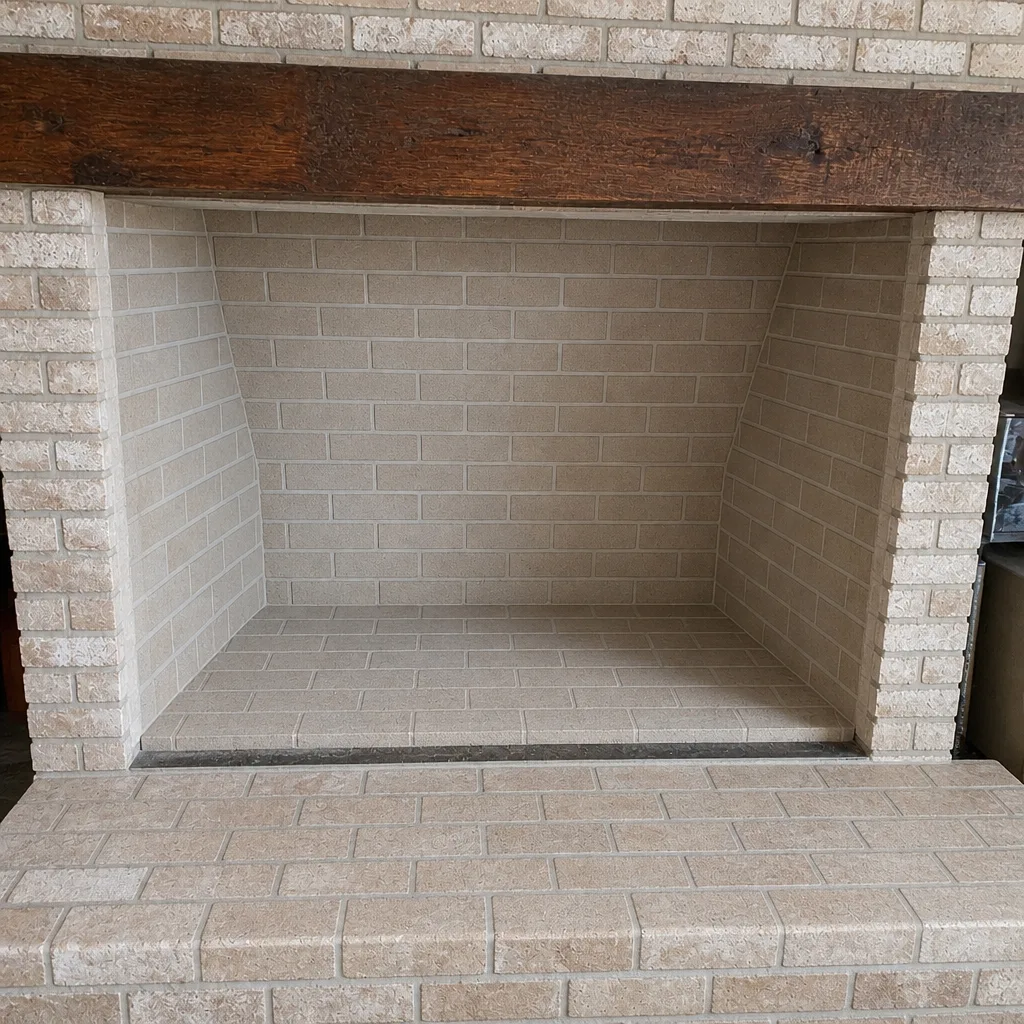
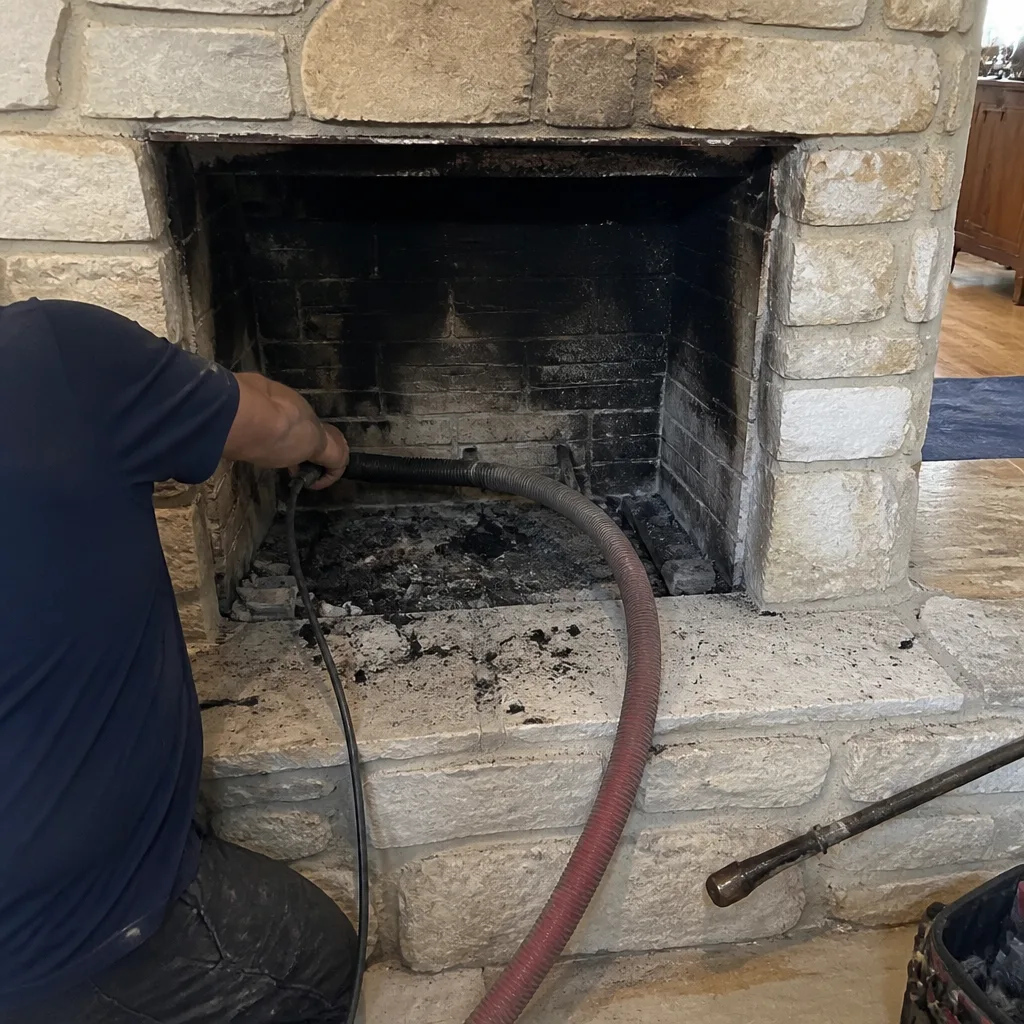
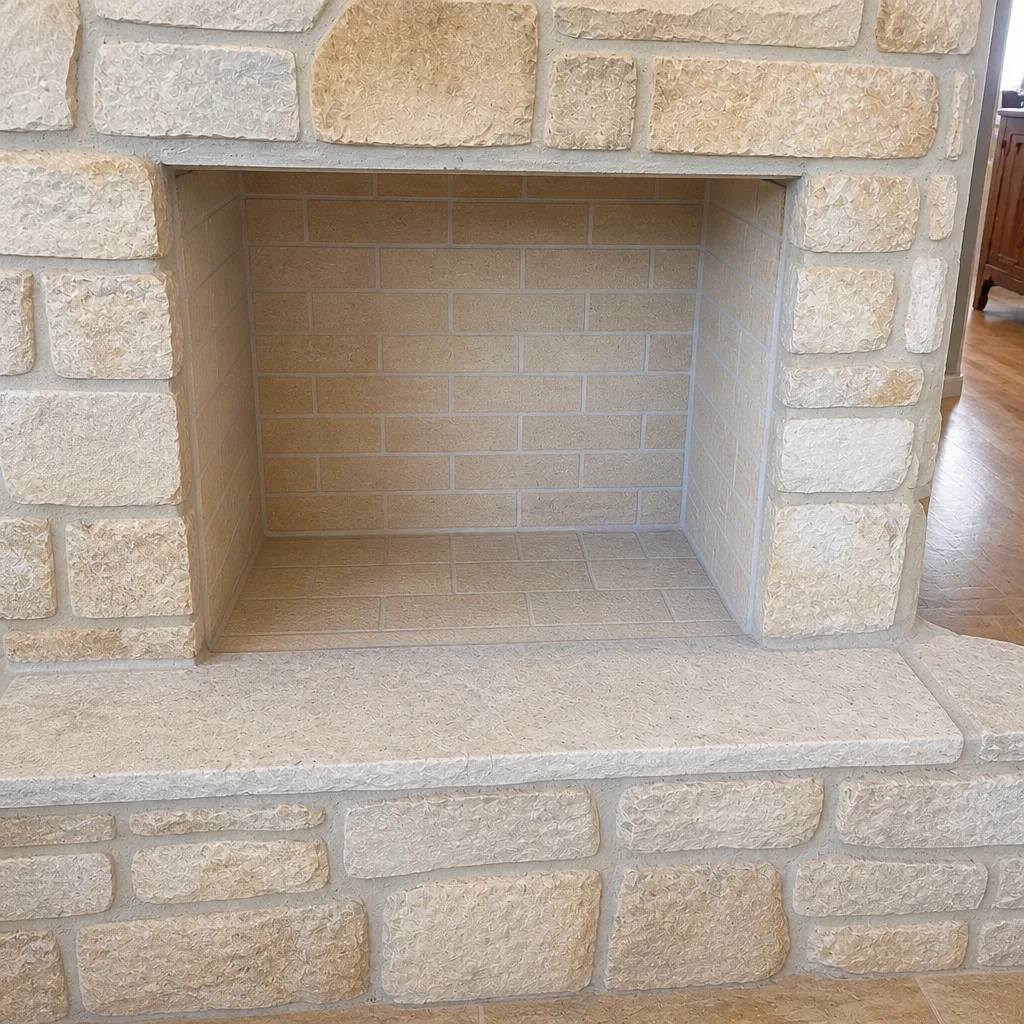
See the difference
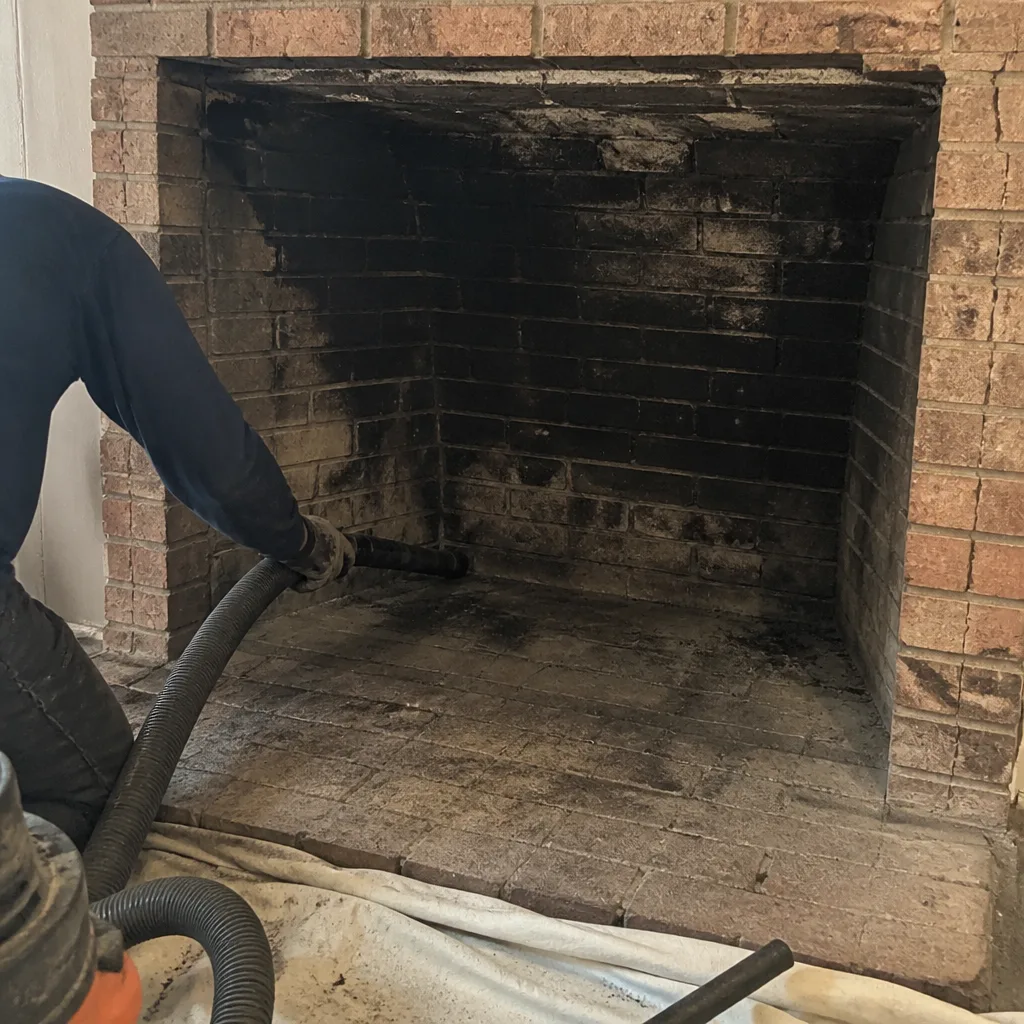 Before
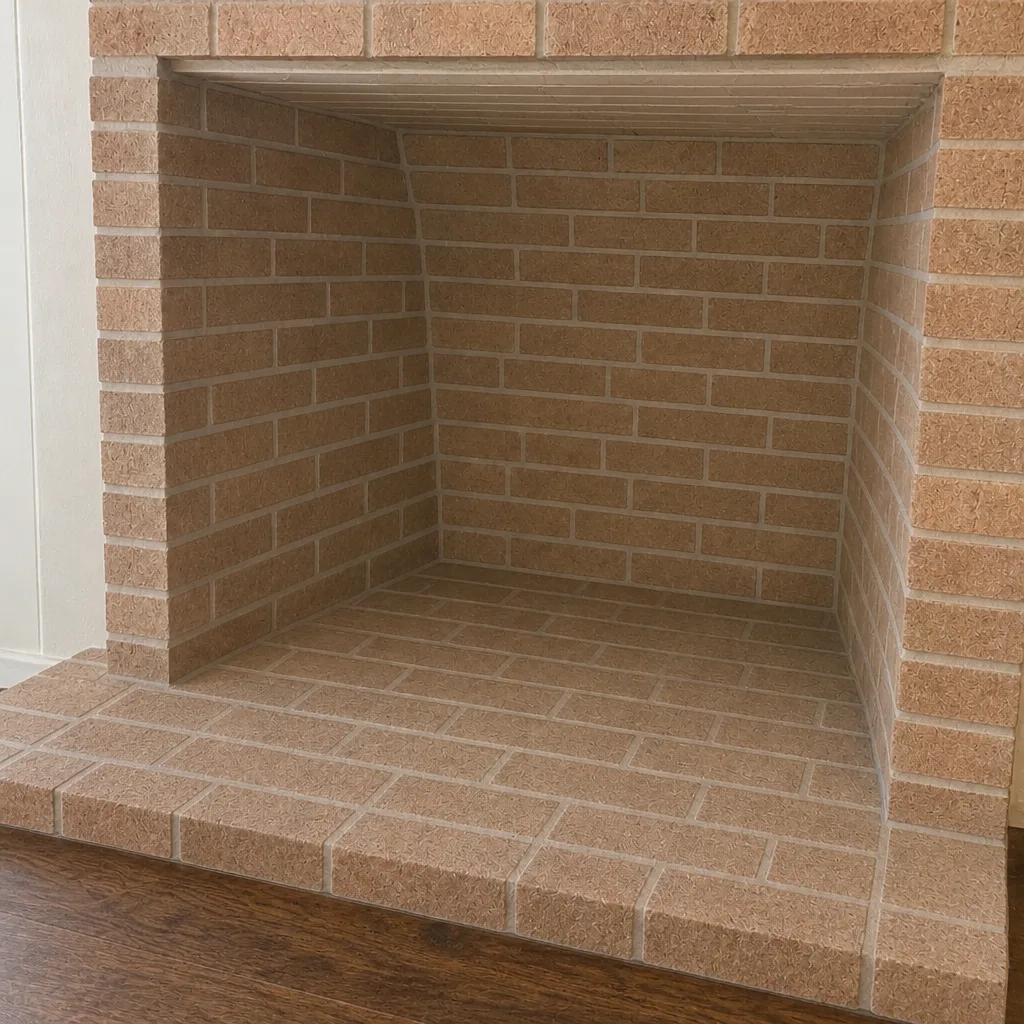 After
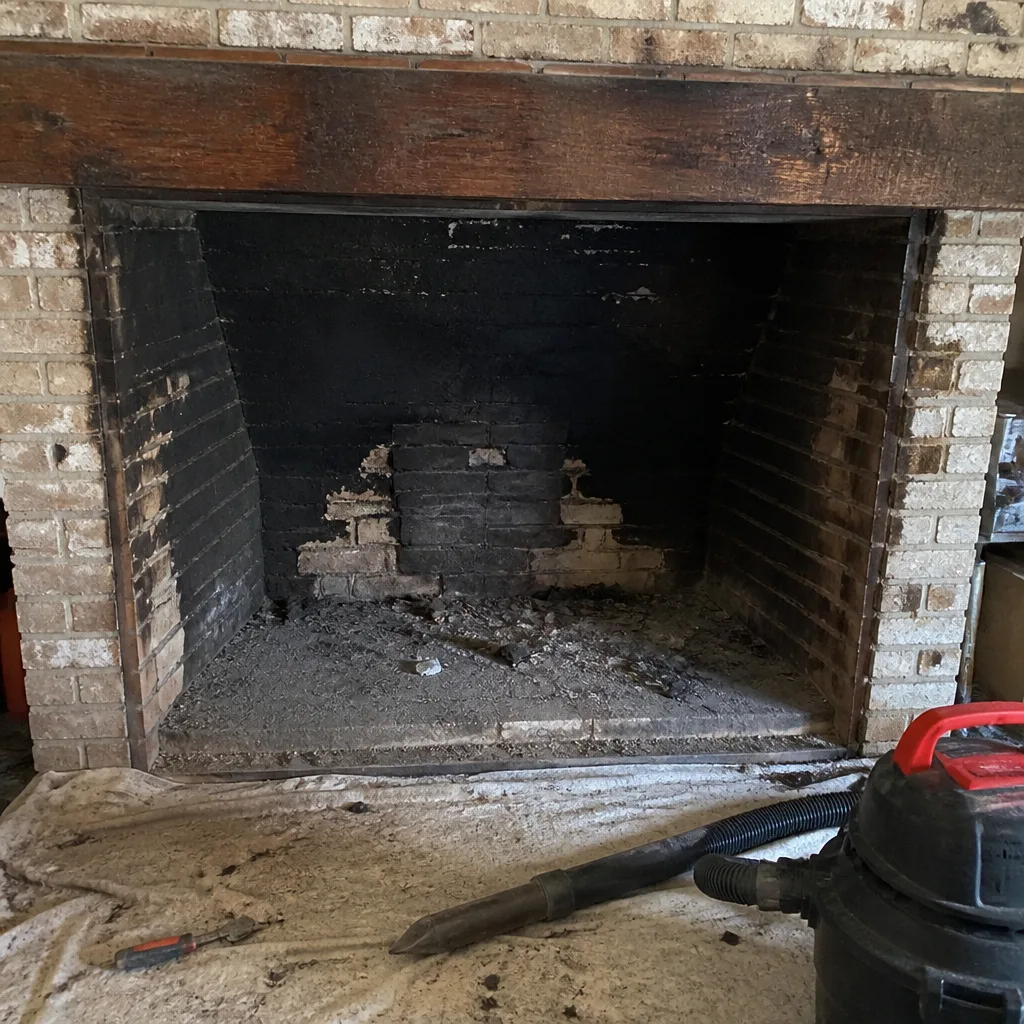 Before
 After
 Before
 After
When to Call a Professional
Some chimney maintenance is genuinely a professional look, and the line is drawn where a picture can’t tell you the whole answer. Call us if the flue needs sweeping and you want to know what’s actually inside it, if you’ve had a storm and you’re not sure whether the cap and crown came through it, if the damper doesn’t seal, if you smell soot in the house, or if the chimney has never been inspected and you’re about to start using it. Also call if you’ve been told you need a liner or resurfacing and you want a second look; nothing should be recommended without a camera you can see for yourself. Chimney Sweep Waco offers free estimates in Waco. Call (866) 370-3896. We answer 24/7. Fast dispatch from 7am to 7pm, Sunday through Friday.
Frequently Asked Questions
The price is set per job by a written estimate, and an estimate costs nothing. The number depends on the flue configuration, how much buildup is in it, and whether the sweep turns into a repair. Ask for the estimate in writing before anyone starts, and ask what’s included: an inspection, a camera report, or just the brush. Call us for an exact quote; estimates are free.
Only if a camera inspection shows the original has failed and can’t be resurfaced. A cracked, spalled, or separated flue tile can sometimes be restored with HeatShield resurfacing; a flue with no usable tile often needs a new liner, and DuraFlex or Olympia Chimney liners are what we install. The decision should come from what the camera shows, and you should see the photo. Not every sweep-only quote for a liner holds up on a second look.
Once a year is a reasonable default for a home that burns regularly. The more honest answer is that it depends on how much you burn and what condition the flue is in, which is why the sweep and inspection are done together. A home with a heavy wood stove might need more than once a year. A home that lights a fire only a few times a season may not. Call for an exact quote on a sweep and inspection.
Creosote builds up, and it’s the fuel side of a chimney fire. Beyond that, you lose track of the parts you can’t see. A hairline crack in the crown or a failed damper seal goes unreported all summer, and by the time it’s noticed it’s leaked water into the smoke chamber or run heat out of the house for a whole season. That’s the risk, and it’s the reason we suggest booking the September sweep rather than waiting for a November problem.
There’s less to check for snow and freezing, but the same essential list still applies: the flue, the cap, the crown, the damper, the smoke chamber. Waco’s winters may be mild, but they’re still burn seasons, and a house still leaks heat up an open flue. The one addition is the winterizing routine for a chimney you won’t use.
Sometimes a cap or a damper is a same-day repair, and sometimes it’s a scheduled job with a part from DuraFlex, HeatShield, Gelco, Olympia Chimney, Famco, or Copperfield. We’ll tell you which, and we’ll tell you when the work can safely wait. Call (866) 370-3896 for an exact quote; estimates are free.
The Bottom Line
Waco’s climate has its own chimney rhythm, and it goes the opposite direction from what most national guides say. The work that protects the next burn season happens in late August and September, not April: sweep and inspect before the first cold front, not after the last fire. Summer heat and humidity take a slow toll on crowns, mortar joints, and damper seals; spring hail takes a quick toll on caps, liners, and the smoke chamber below them. A winterized chimney for the cold months and a spring look for the burn season you just finished complete the year. Chimney Sweep Waco handles the three pieces of this work as one specialist: sweeping, structural repair including HeatShield resurfacing and DuraFlex relining, and inspection that documents what it finds. Our technicians have up to 14 years of experience, and we work with professional-grade materials because the parts at the top of a chimney have to survive the seasons in Waco. Call (866) 370-3896 for a free estimate. We answer 24/7. Fast dispatch from 7am to 7pm, Sunday through Friday.
Written by the team at Chimney Sweep Waco.