
Last updated November 15, 2026
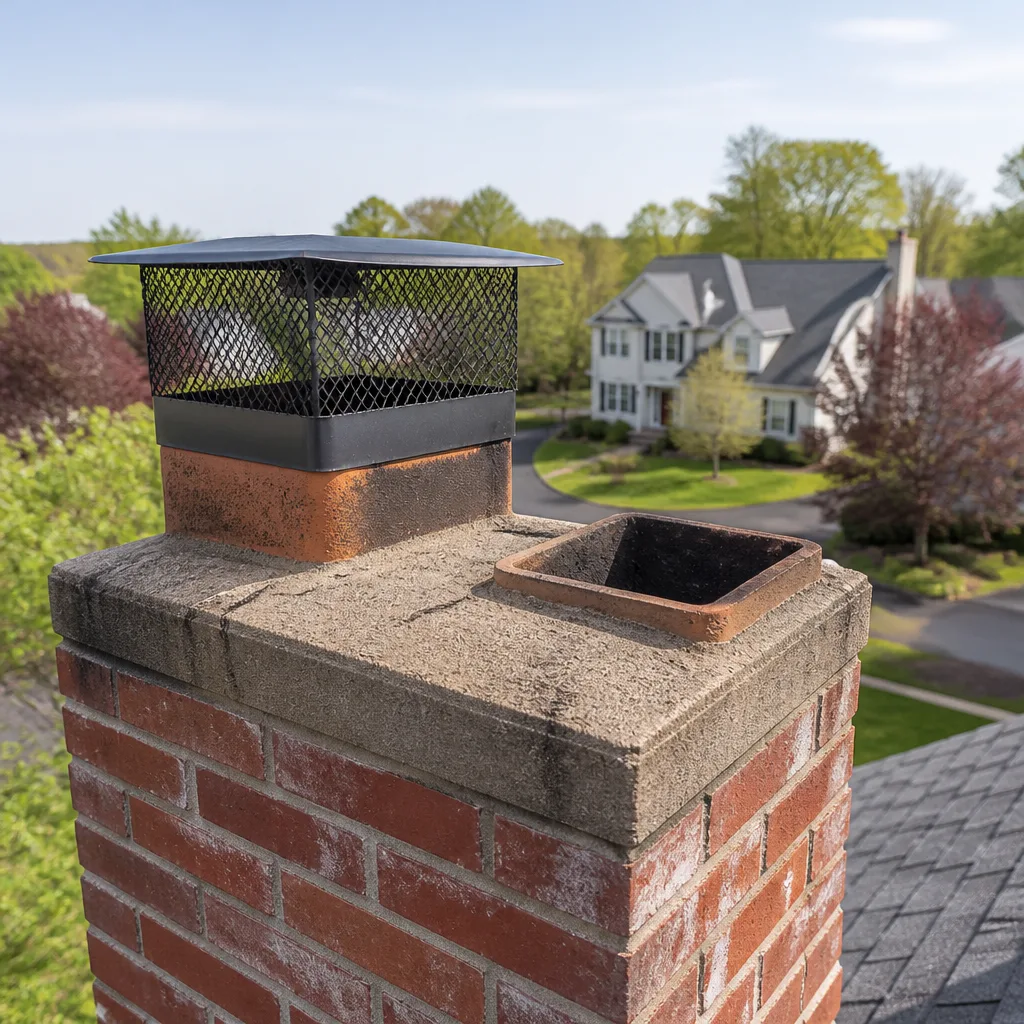 Sweep & inspection
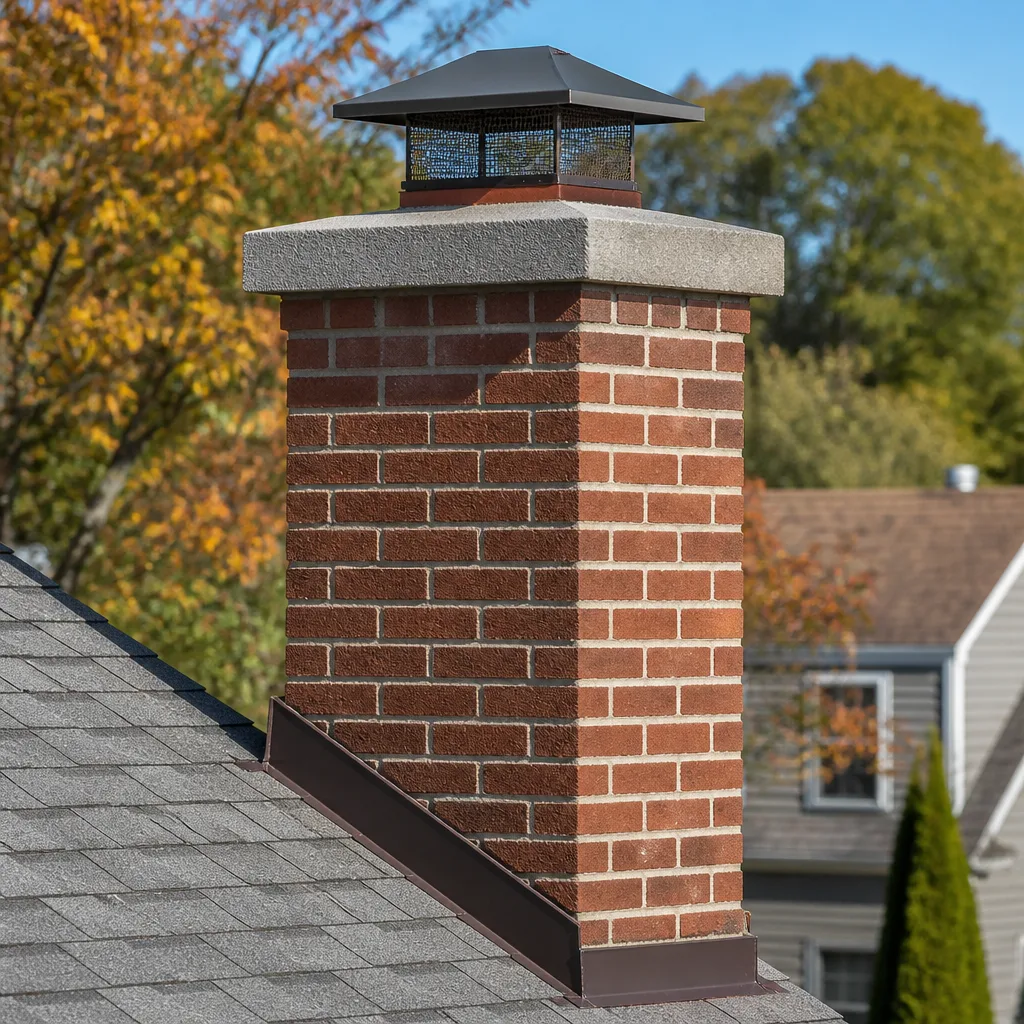 Caps & crowns
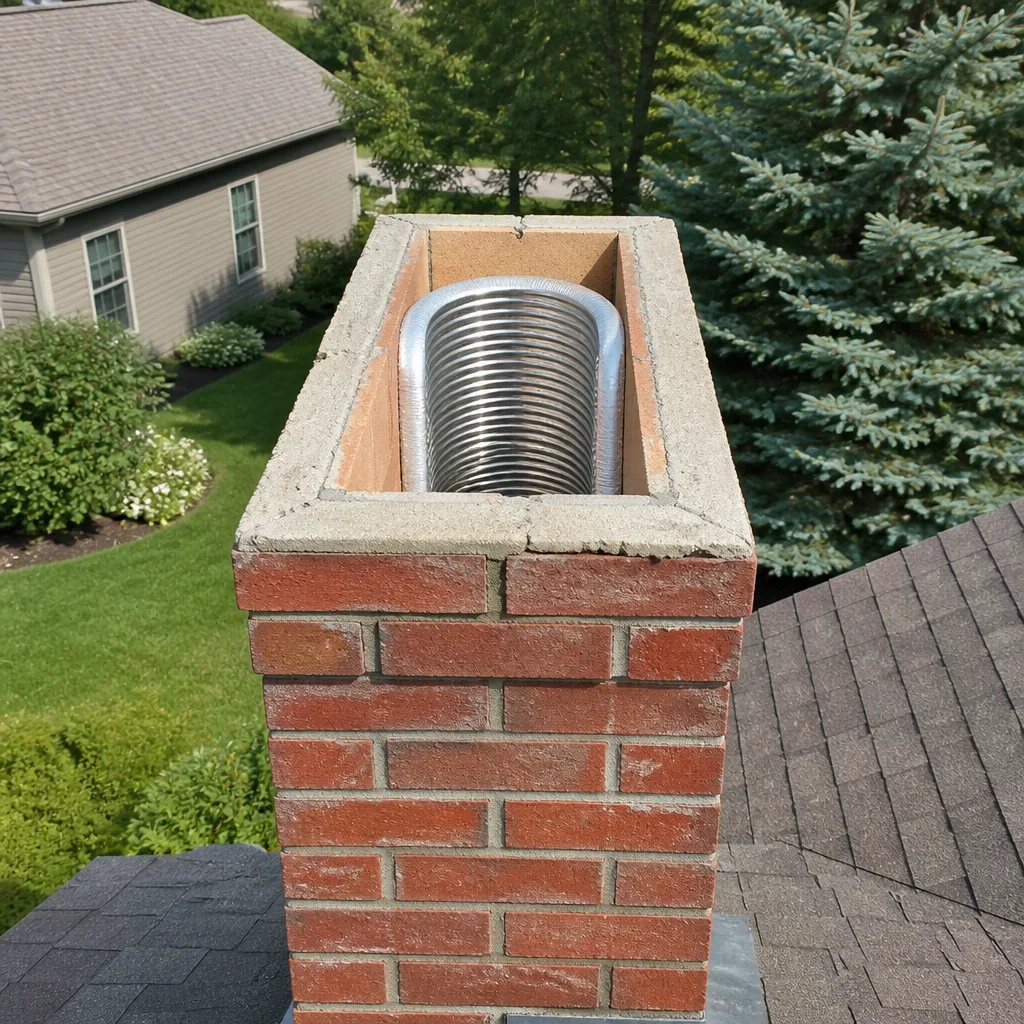 Flue relining
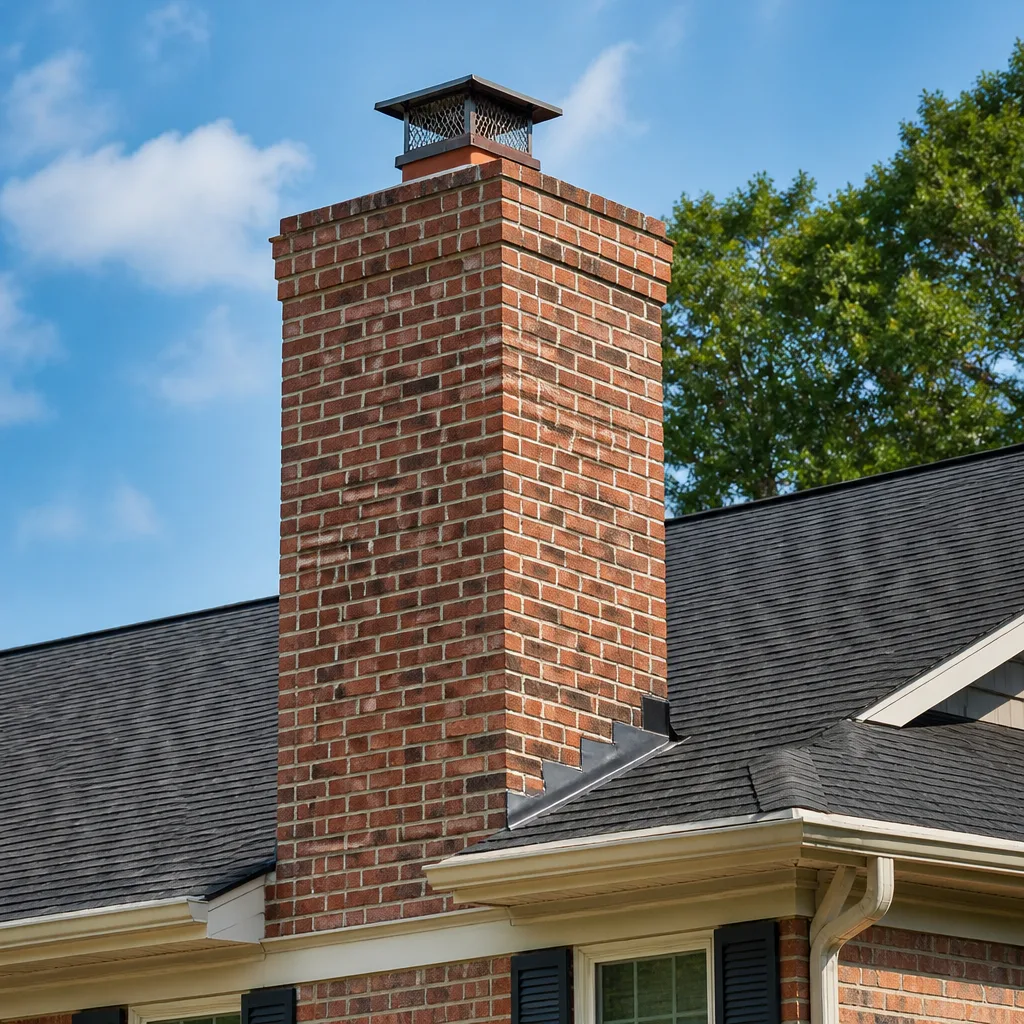 Masonry repair
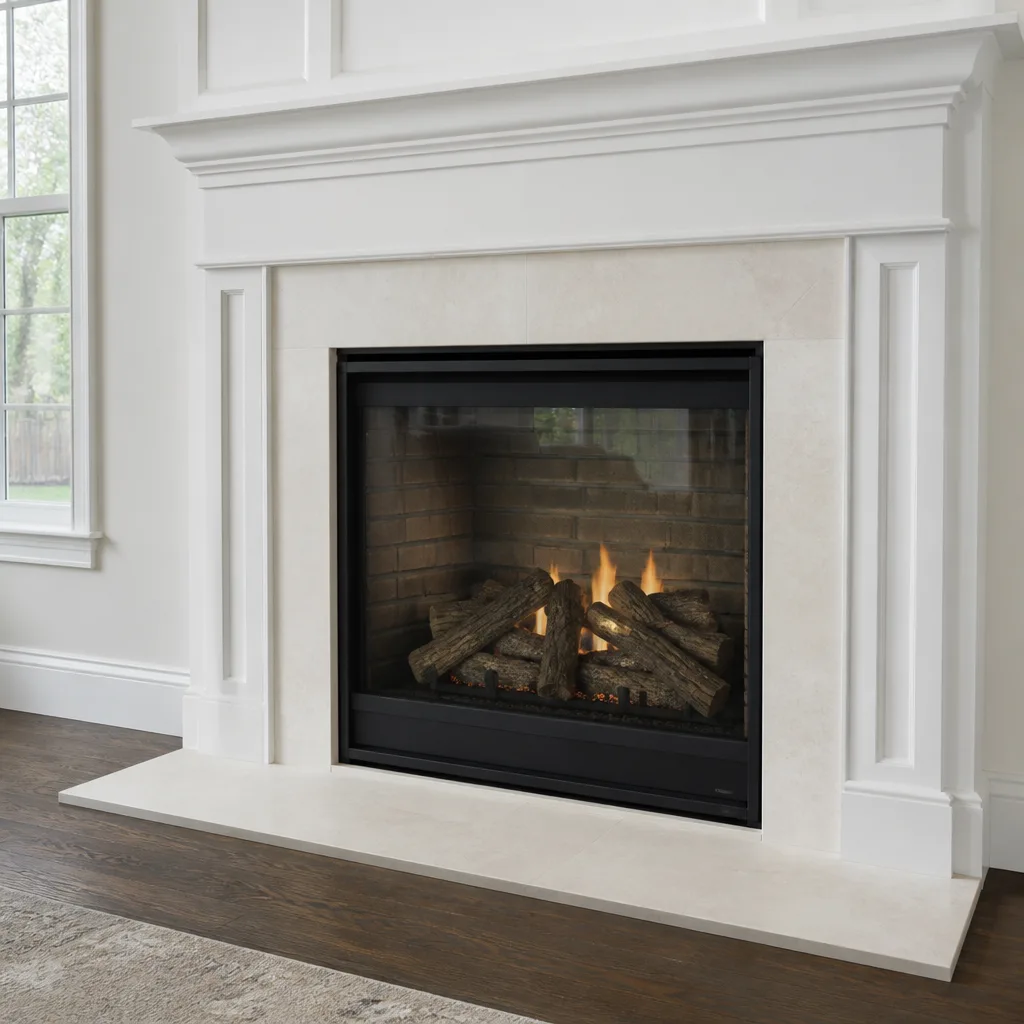 Gas fireplace service
Level 1 sweep and inspection to the NFPA 211 annual standard - flue, crown, cap, and flashing checked and photographed
Chimney sweep logs do not sweep chimneys. They loosen some creosote - which then falls where a brush and vacuum still have to collect it.
Chimney Cleaning Emergency Preparedness Guide for Waco Homes
Most people picture a chimney emergency as a wall of flames, and most chimney fires don’t look like that. They look like nothing. A low roar, a vibration you feel in your chest more than you hear, smoke that suddenly changes color at the top of the stack. Homeowners describe standing in the room for a minute before they understood what they were listening to, and that minute matters. This guide walks through the full failure sequence for the three emergencies that actually happen here (flue fires, carbon monoxide events, and storm damage), how to recognize each one early, and how to contain it before a contained flue event becomes a structure fire. It’s written from Waco, for the mix of older brick chimneys and newer gas insert systems we see across the city.
Quick Answer
A chimney emergency in Waco is almost always predictable before it’s urgent. Creosote buildup, blocked flues, and storm-loosened caps cause the vast majority of chimney fires and carbon monoxide events, and each one gives warning signs weeks before it becomes an emergency. The preparation that matters most is a professional inspection and sweep on a regular schedule, but knowing the actual fire response sequence (close the damper, get everyone out, call 911) can contain a flue fire that starts anyway.
Styles & brands we work with
- Sweep & inspection
- Caps & crowns
- Flue relining
- Masonry repair
- Gas fireplace service
Table of Contents
- How Do You Recognize a Chimney Fire in Progress?
- What Is the Exact Response Sequence for a Chimney Fire?
- Carbon Monoxide Risk in Fireplace-Adjacent Rooms
- Post-Storm Chimney Assessment in Waco
- How to Safely Close Off a Chimney After an Emergency
- What to Have Ready When You Call for Emergency Help
- Prevention Calendar for Waco Chimneys
- Common Mistakes to Avoid
How Do You Recognize a Chimney Fire in Progress?
A chimney fire is often a quiet, self-contained event that homeowners mistake for a furnace cycle, wind noise, or a loose damper. A roaring chimney fire makes a low, sustained sound like a train in the walls, and the sound persists rather than cycling on and off. A slower chimney fire shows as a sudden, dramatic shift in how smoke leaves the stack, plus measurable heat coming off the flue pipe or masonry.
What It Sounds Like
- A low, steady roar or rumble that sustains for more than a few seconds
- A crackling or popping that gets faster rather than settling down
- A deep whooshing sound when you open the firebox glass or damper
- A vibration you can feel by touching the wall behind the chimney
What It Looks Like Inside
- Smoke that suddenly changes from grey to dense black, or puffs back into the room
- A firebox that seems to be pulling more air than usual and burning hotter than normal
- Visible heat shimmer near the flue pipe or face of the fireplace surround
- The glass or door of a stove hot enough that flames are visible through the seams
Exterior Signs
- Dense smoke pouring from the chimney top, then stopping abruptly
- Sparks or burning embers visible at the crown during a fire
- Heat coming off the exterior chimney chase when you hold your hand near it
- A dark creosote stain near the crown that suddenly spreads
In our experience across Waco, most chimney fires start in the first twenty minutes after adding fuel to an already-hot fire. That’s the window when a homeowner is most likely to be right there in the room, which is why recognizing the sound early has real value. If any of these signs appear, treat them as a live chimney fire until someone qualified has inspected the flue.
What Is the Exact Response Sequence for a Chimney Fire?
The response sequence is short and should be automatic: close the damper fully, get every person and pet out of the house, then call 911 from outside. Do these in that order. The next steps (shutting off gas to the firebox if you have a gas log set, notifying the fire department of what you saw) come after everyone is out.
Step-by-Step Response
- Close the damper fully. Cutting off the air supply starves a flue fire and limits how hot the flue gets. Do this from outside the firebox if possible.
- Get everyone outside. Walk out the nearest door. Don’t stop to gather belongings.
- Call 911 from outside the house. Say “chimney fire” and describe what you saw and heard.
- Shut off gas to the fireplace if you have a gas log set or gas insert and know where the shutoff is.
- Don’t re-enter until cleared. Even if the fire seems to have gone out, the flue may still be at high heat, and hidden embers in the masonry can ignite hours later.
- Schedule a professional inspection immediately after. The fire department will confirm the fire is out; a chimney professional has to confirm the flue is structurally sound before the fireplace can be used again.
What Not to Do During a Chimney Fire
- Don’t put water on a fire inside the firebox. Thermal shock can crack firebrick and the flue liner.
- Don’t open the firebox door to “check” once the damper is closed. You’re feeding air back into the flue.
- Don’t stand near the exterior chimney chase to watch. Masonry can fail under sustained high heat.
- Don’t assume the fire is out because the sound stopped. The flue stays hot for a long time.
Our chimney sweep technicians have had the conversation after hundreds of flue fires and the pattern is consistent: the homeowners who responded in the first ninety seconds had contained flue damage. The ones who waited to be sure had masonry damage, cracked liners, or worse. If you’ve had any chimney fire, even a small one, get the flue inspected before the next fire.
Carbon Monoxide Risk in Fireplace-Adjacent Rooms
Carbon monoxide from a fireplace comes from incomplete combustion combined with a blocked or undersized flue, and a gas fireplace is the higher-risk case because there’s no visible smoke to warn you when the flue is blocked. A wood fire pushes smoke into the room as a visual alarm. A gas fire pushes CO with no color and no smell. That’s why detector placement in fireplace-adjacent rooms matters so much.
Where to Place CO Detectors in a Home with a Fireplace
- One detector on every sleeping level, placed in the hallway outside bedroom doors
- One detector inside or immediately outside the room with the gas fireplace
- One detector in a basement or lower level if the chimney passes through it
- Never place a detector directly above the firebox opening (normal combustion byproducts will trigger false alarms)
- Never place a detector within five feet of a gas appliance or the fireplace venting
- Keep the detector at least fifteen feet from any fuel-burning appliance if the manufacturer specifies it
Signs of a Blocked Flue on a Gas System
- The flame pattern on the gas logs changes (higher, more yellow, or fluttering)
- Soot appears on the fireplace surround or the glass front of an insert
- A musty smell lingers in the room even when the fireplace is off
- Physical symptoms in the room: headache, dizziness, or nausea that improve when you leave the room
If a CO alarm sounds, get everyone outside and call 911 from outside. Don’t open windows and stay in the house to see if it clears. Carbon monoxide specific to gas appliances also comes from older fireplace inserts that vent through damaged or blocked liners. When we reline a flue, we typically work with DuraFlex liners because they’re specced for gas and wood alike and can be inspected after installation. That inspection capability matters for a system where you can’t see the problem directly.
Post-Storm Chimney Assessment in Waco
Waco’s hail and high-wind seasons do more chimney damage than most homeowners realize, and the damage is often invisible from the ground. After a significant storm, a chimney needs a look at three things: the crown, the cap, and the flashing at the roofline. A homeowner can check for one of those three from the ground; the other two require a professional on the roof.
What to Check Yourself After a Storm
- Look at the chimney from the ground. Use binoculars if you have them. Check that the cap is still in place and level, and that no bricks or mortar pieces are missing from the crown.
- Look for debris on the roof. Branches and shingles sitting against the chimney chase are worth noting and clearing safely from the ground if possible.
- Check the firebox the next time you light a fire. A draft that’s noticeably weaker than before the storm can mean debris is blocking the flue.
- Smell for smoke in rooms with no fireplace. A flashing leak shows up as a musty smell in the attic before it shows up as water in the room.
What Requires a Professional
- Any visible damage to the crown, cap, or masonry
- Water staining on the ceiling, attic sheathing, or chimney chase
- A cap that shifted, tilted, or came loose in the wind
- Smoke or draft problems after a storm
- Any chimney that hasn’t been inspected since the previous storm season
We see the same pattern after every significant hail event in Waco: a cap that was loosened but not knocked off, then a rain event two weeks later, then water damage in the chase. The cap isn’t decorative. A Gelco or Famco cap in good shape is what keeps water and animals out of the flue between service visits, and a cap that’s been loosened by wind or hail is the single most common cause of post-storm chimney damage we find. If a storm has passed through your neighborhood, get the chimney inspected before the next rain.
How to Safely Close Off a Chimney After an Emergency
After any chimney fire, CO event, or structural damage to the flue, the chimney has to be closed off until it’s been professionally inspected, and that means physically preventing use of the fireplace, not just remembering not to use it. Closing off the system serves two purposes: it prevents anyone from accidentally relighting a fire into a damaged flue, and it prevents CO or smoke from migrating into the house if the flue has been breached.
Steps to Close Off a Chimney After an Emergency
- Remove all fuel from the firebox and any wood storage immediately next to the fireplace.
- Tape the firebox doors shut with painter’s tape and a clear note that says “Do not use – chimney inspection pending.”
- Turn off the gas valve to any gas log set or insert, and don’t relight the pilot until cleared.
- Install a temporary flue block only if the fire department or a chimney professional has confirmed the flue is safe to block. A properly blocked flue can trap CO in the flue, so don’t add one on your own.
- Notify the homeowner’s insurance carrier if there’s been structural damage, and keep all documentation from the fire department.
- Schedule the inspection and don’t lift the tape until the inspection report clears the flue.
Why Post-Fire Use Is a Code Violation
Lighting a fireplace after a known chimney fire is a code violation under national chimney and venting standards, and the reason isn’t bureaucratic. Fire exposure changes the structure of a clay tile or metal flue liner in ways that aren’t visible from the firebox. A flue that looks intact may have a cracked tile, a shifted joint, or a separated liner section after a fire. A chimney professional inspects the flue with a camera and confirms with a written report that the system is safe to use again. If you don’t have that report, the system stays closed. Our chimney repair team handles the flue resurfacing work (HeatShield is the product line we use most often for clay tile restoration) that gets a post-fire chimney back to safe operation without a full rebuild.
What to Have Ready When You Call for Emergency Help
When you call a chimney emergency service, the four pieces of information that speed up dispatch the most are system type, fuel source, last cleaning date, and a description of what you’re seeing. Have those ready before you dial, and have the phone number of the fire department (911) alongside.
The Four Things to Have Ready
- System type: masonry fireplace, prefabricated metal fireplace, wood stove, gas insert, or gas log set. Each one is diagnosed differently.
- Fuel source: wood, gas, pellet, or a combination. For gas systems, know whether it’s natural gas or propane.
- Last cleaning and inspection date: the closer to the present, the easier it is to rule out simple creosote buildup.
- Observable damage description: what you saw (smoke, sound, smell, flame pattern, water), when you saw it, and how long it lasted.
Additional Info That Helps
- Whether the chimney has a cap and what it looks like
- Whether the chimney has been relined and when
- Whether you’ve had a previous chimney fire and how it was addressed
- Whether anyone in the house has experienced CO symptoms (headache, dizziness, nausea)
Call (866) 370-3896. We answer 24/7. Fast dispatch from 7am to 7pm, Sunday through Friday. A call outside dispatch hours is booked into the next opening, Sunday through Friday, 7am to 7pm. The estimate is free and the price is set per job by the written estimate. If it’s a live fire, call 911 first. If it’s a system that’s been shut down since a fire, was damaged in a storm, or is showing any of the warning signs from this guide, call us and we’ll schedule the inspection.
Prevention Calendar for Waco Chimneys
Chimney emergencies have a seasonal pattern here that lines up with Waco’s first real cold snap, usually in late November, when a chimney that’s been dormant since March gets used for the first time with a full season’s creosote load. The single most valuable thing a Waco homeowner can do is get the chimney swept and inspected before that first fire, not after the first problem.
When to Schedule Service in Waco
- Late October to early November: sweep and inspection before the heating season begins, ideally before the first cold snap
- After any significant hail or wind event: a post-storm inspection, which is separate from a routine sweep
- After any chimney fire, even a small one: a camera inspection before the system is used again
- Any time you change fuels or add gas logs to a wood fireplace: a flue inspection for the new fuel type
- Any time the draft changes noticeably: a flue blockage is usually found this way, not by watching for smoke
How Often a Chimney Needs a Sweep
For a wood-burning fireplace used regularly in Waco, a sweep once a year is the baseline, and a thimble’s worth of creosote buildup (about a quarter-inch) is the usual point where cleaning is needed. A gas fireplace doesn’t produce creosote, but it still needs an annual inspection for CO safety and venting integrity. A wood stove or insert that runs as primary heat may need cleaning more often than once a year. Chimney sweeps use a camera and a visible creosote measurement to decide, and a good sweep tells you what the build-up actually is rather than quoting the whole season in advance.
Common Mistakes to Avoid
- Assuming a quiet chimney fire has gone out. A low roar that stops doesn’t mean the flue has cooled. The fire can reignite hours later once air reaches it again. Get the flue inspected regardless.
- Lighting a fire after a chimney fire because the flue “looks fine.” Cracks and shifted liner sections aren’t visible without a camera. Using the system without a written inspection is a code violation and a real fire risk.
- Skipping the post-storm inspection because the chimney looks intact from the ground. The damage almost always happens at the cap, crown, or flashing, none of which you can see clearly from the porch.
- Placing a CO detector directly over the firebox. Normal combustion byproducts will trip it constantly, and you’ll end up disconnecting it. Placement matters more than having one.
- Using a “chimney cleaning log” as a substitute for a sweep. These products affect a thin, specific layer of creosote and don’t replace a camera inspection. They’re not a chimney fire prevention measure on their own.
- Waiting for the first cold snap to schedule service. That’s when every chimney in Waco is being lit for the first time since spring, and it’s also when the failures show up. Get on the calendar in October.
- Burning unseasoned wood because it’s cheaper. Wet wood produces more creosote per fire, and creosote is what feeds a chimney fire. Seasoned hardwood is what your flue can actually handle.
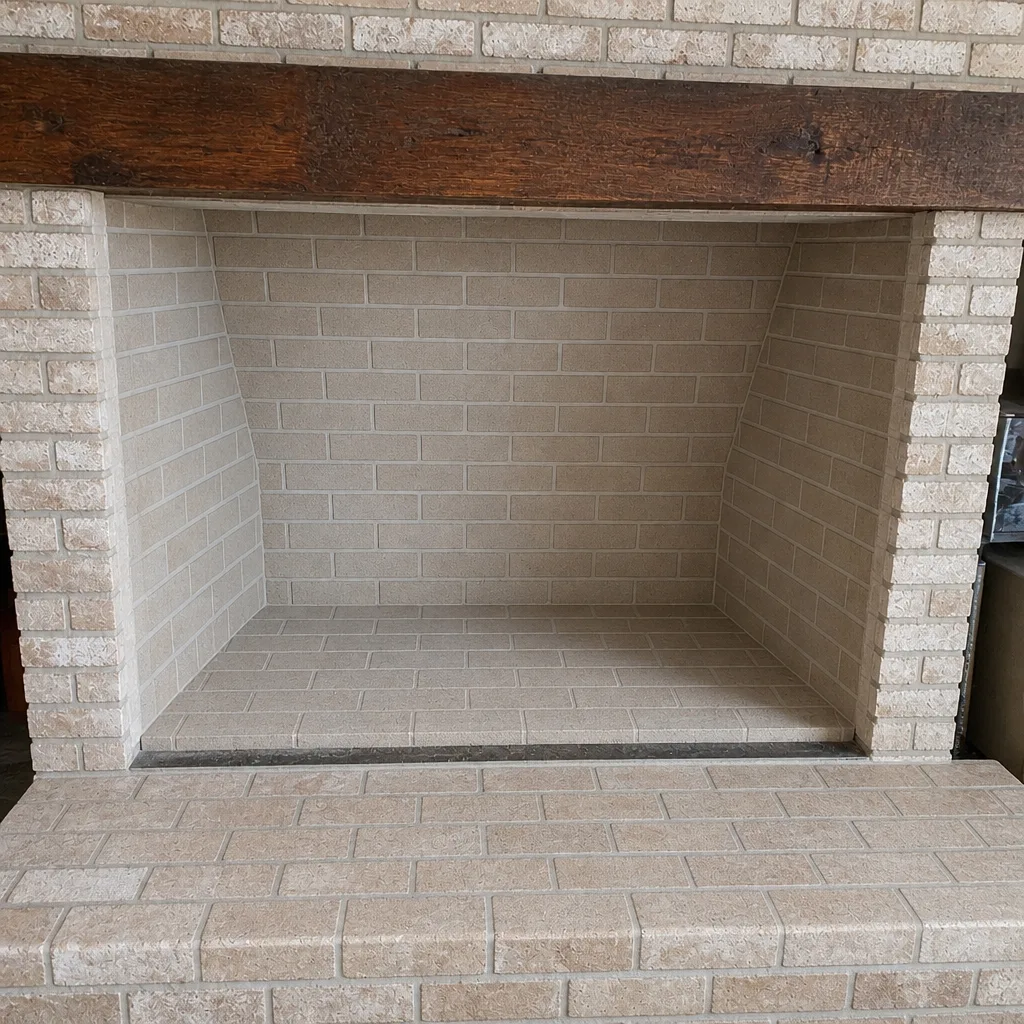
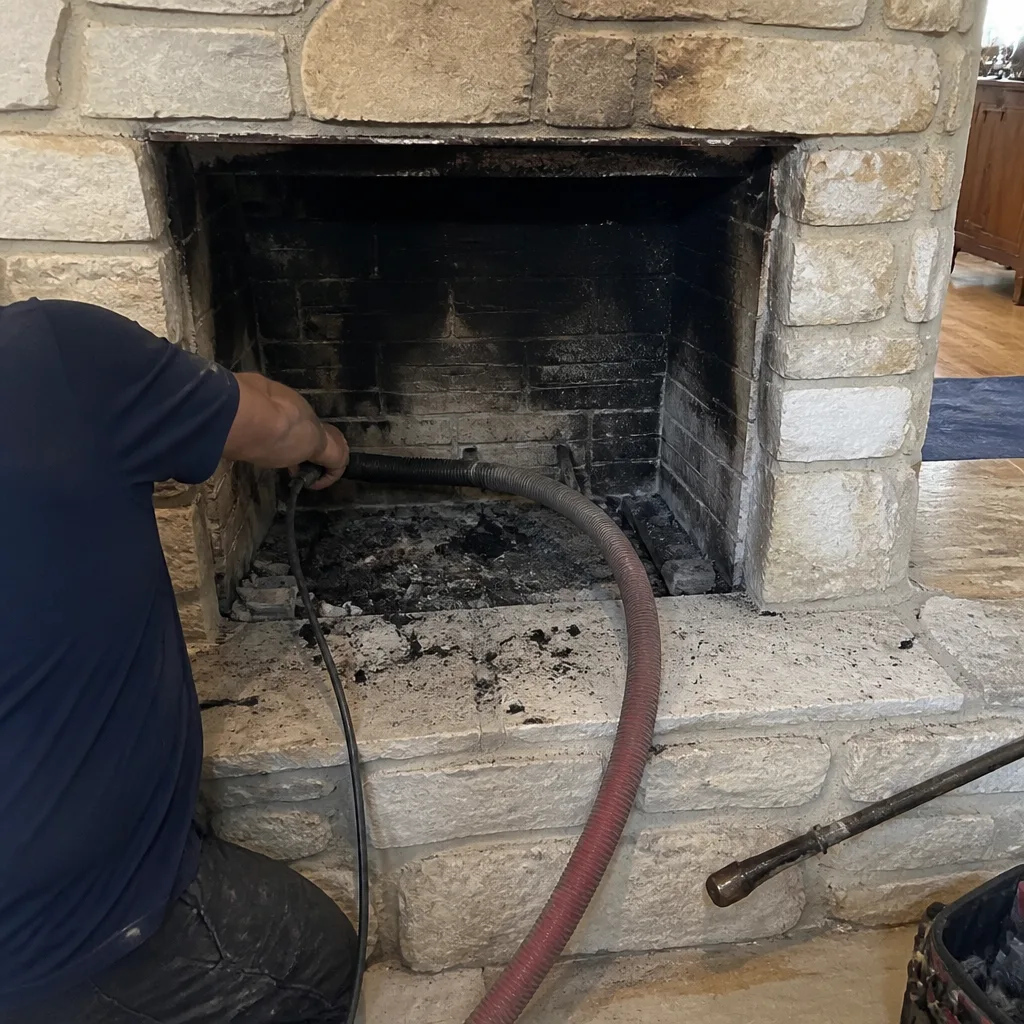
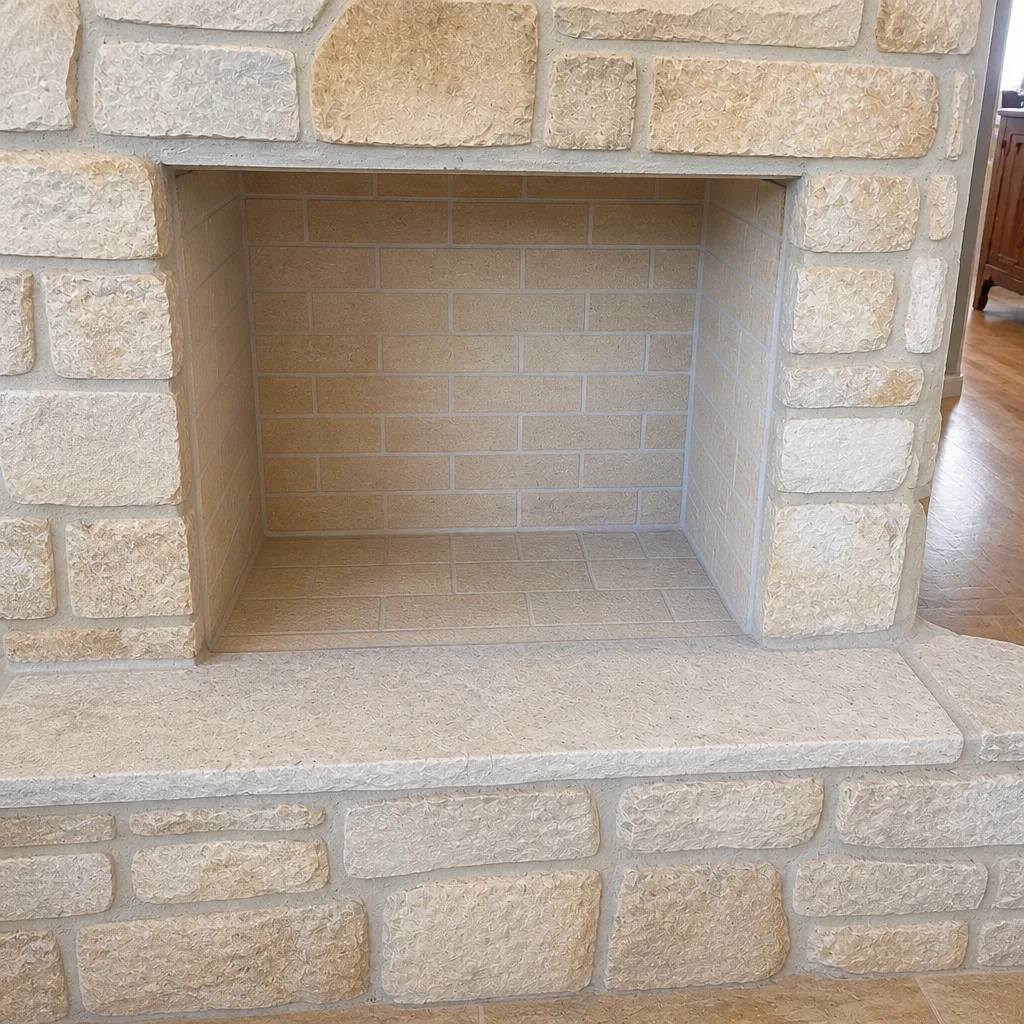
See the difference
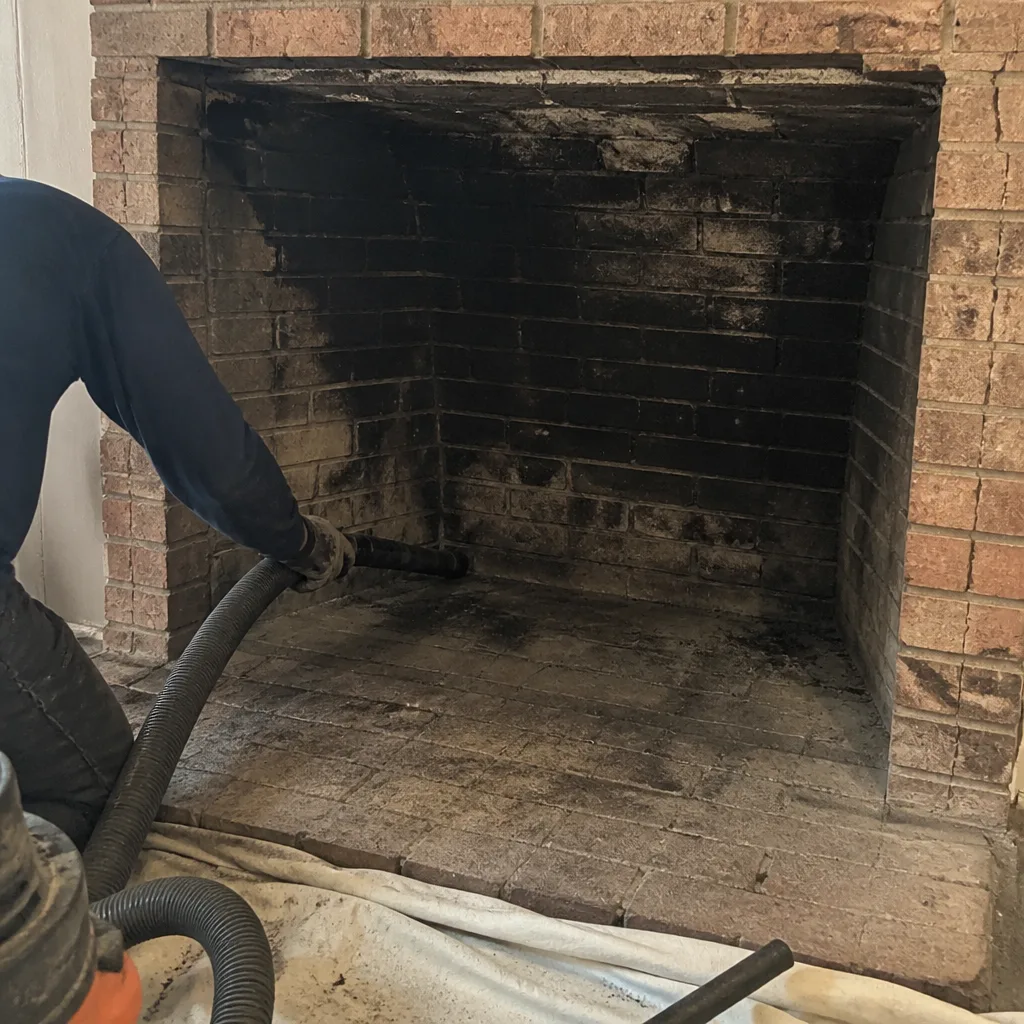 Before
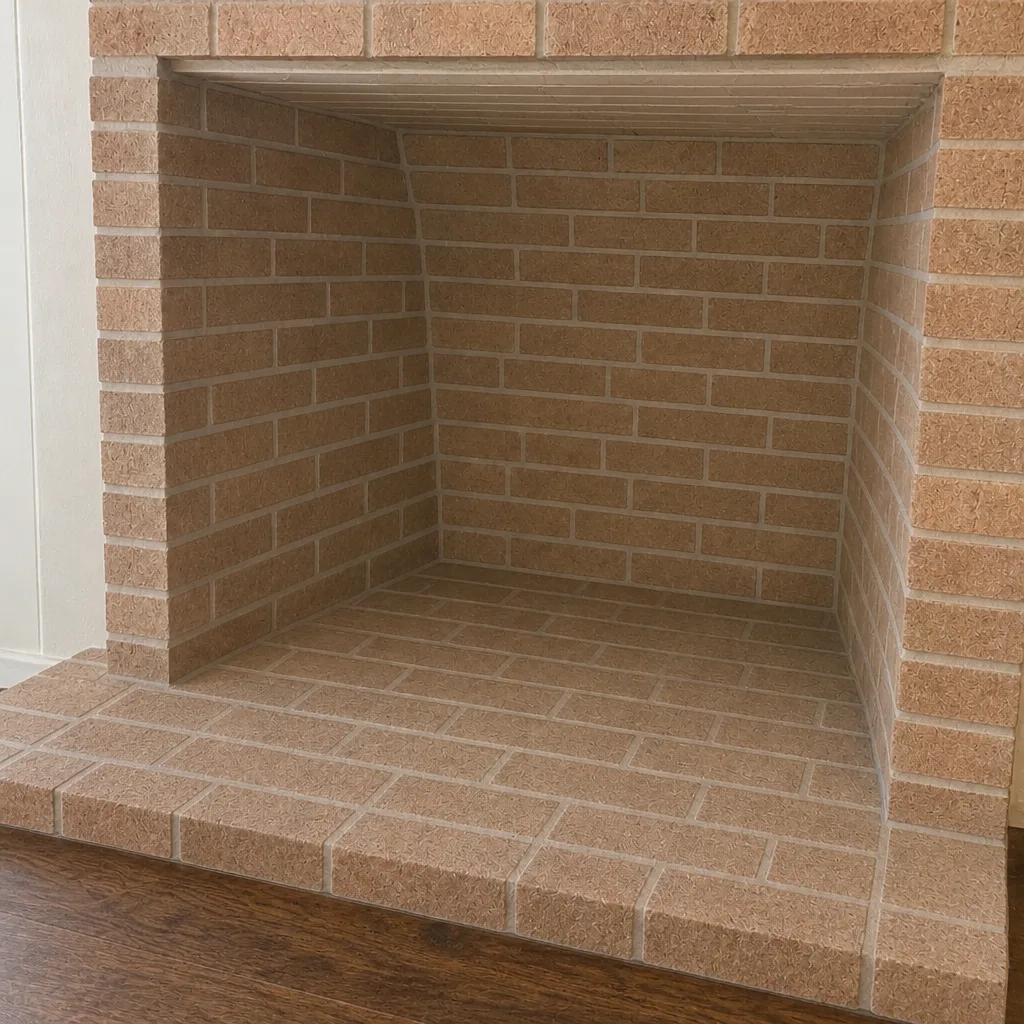 After
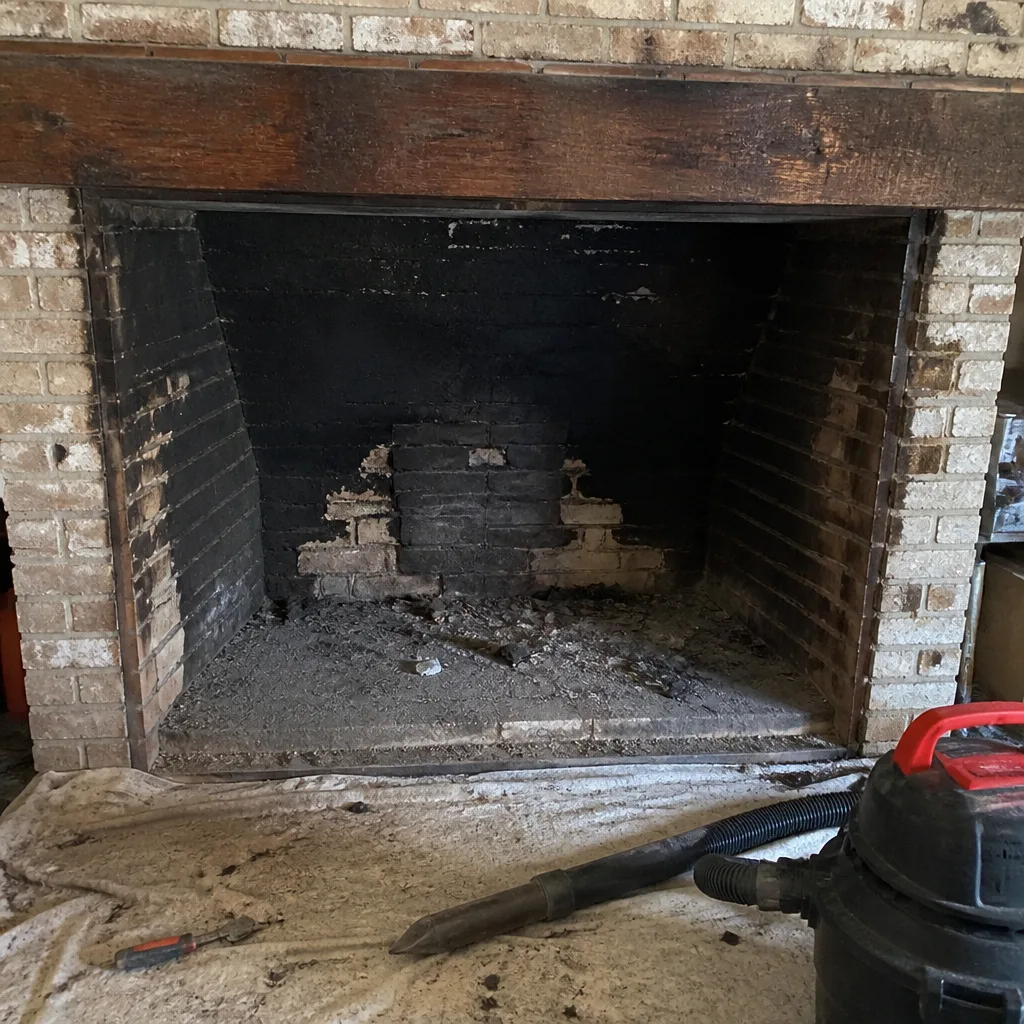 Before
 After
 Before
 After
When to Call a Professional
Call a professional if you’ve had any chimney fire, if your chimney was damaged in a storm, if a CO alarm has sounded, if the draft changes noticeably, or if the flue hasn’t been inspected in the last twelve months. Also call if you’re unsure. A camera inspection with a written report is the only way to know a flue is structurally safe, and guessing wrong on a chimney is not a small gamble. Our Waco team works with professional-grade product lines (HeatShield, DuraFlex, Olympia Chimney, Copperfield) because we do the flue work, not just the brush work. Chimney Sweep Waco offers free estimates in Waco. Call (866) 370-3896 to schedule an inspection.
Frequently Asked Questions
The most reliable sign is a sustained low roar from inside the chimney that lasts more than a few seconds, often paired with a sudden change in smoke color at the stack or a heat gain on the exterior masonry. If you heard it, assume you had one and get the flue inspected. Call (866) 370-3896 to schedule – the inspection is the only way to know for certain.
Close the damper fully, get everyone and every pet out of the house, and call 911 from outside the house. Don’t put water on the fire and don’t open the firebox door to check. Then schedule a professional inspection for after the fire department has cleared the house. Call (866) 370-3896 for the follow-up inspection.
No. Using a fireplace after a known chimney fire is a code violation under national chimney and venting standards, and the reason is that fire damage to the flue liner isn’t visible without a camera inspection. The system stays closed off until a professional has cleared it with a written report. Call (866) 370-3896 to schedule the inspection and get the timeline.
Place a CO detector in or immediately outside the room with the gas fireplace, plus one on every sleeping level outside bedroom doors. Keep it at least five feet from the fireplace and don’t place it directly above the firebox opening. A gas fire pushes CO with no smell or visible smoke, so the detector is the only warning you’ll get. Call (866) 370-3896 if you’ve had a CO alarm or a blocked flue.
From the ground, check that the cap is still in place and level and that no crown pieces are missing. The rest (flashing, crown condition, masonry damage) requires a professional on the roof. Any visible damage, water staining, or a changed draft warrants an inspection. Call (866) 370-3896 to schedule a post-storm inspection.
Get the chimney swept and inspected every year before the first cold snap, use seasoned hardwood, and schedule a post-storm inspection after any significant hail or wind event. That covers the triggers that cause nearly every chimney fire and CO event we see in Waco. Call (866) 370-3896 to get on the schedule.
The Bottom Line
Chimney emergencies in Waco follow a predictable sequence: creosote or a blocked flue sets up the conditions, a triggering event (first fire of the season, a storm, a first fire after a long idle) starts the problem, and the first ninety seconds decide whether it’s a contained flue event or a structure fire. Knowing the fire response sequence (close the damper, get everyone out, call 911) matters, but the preparation that prevents emergencies is the annual sweep-and-inspect done before the first cold snap. Use seasoned wood. Get the post-storm inspection. Don’t relight a chimney after a fire without a written clearance from a professional. That’s the whole system, and it holds up for any chimney in Waco.
If you’re ready to get your chimney on a routine or need a post-fire or post-storm inspection, Chimney Sweep Waco handles the sweep, the repair, and the inspection with the same professional-grade products (HeatShield, DuraFlex, Copperfield, Gelco). One company for the whole system. Call (866) 370-3896 for a free estimate. We answer 24/7. Fast dispatch from 7am to 7pm, Sunday through Friday.
Written by the team at Chimney Sweep Waco.