
Last updated November 15, 2026
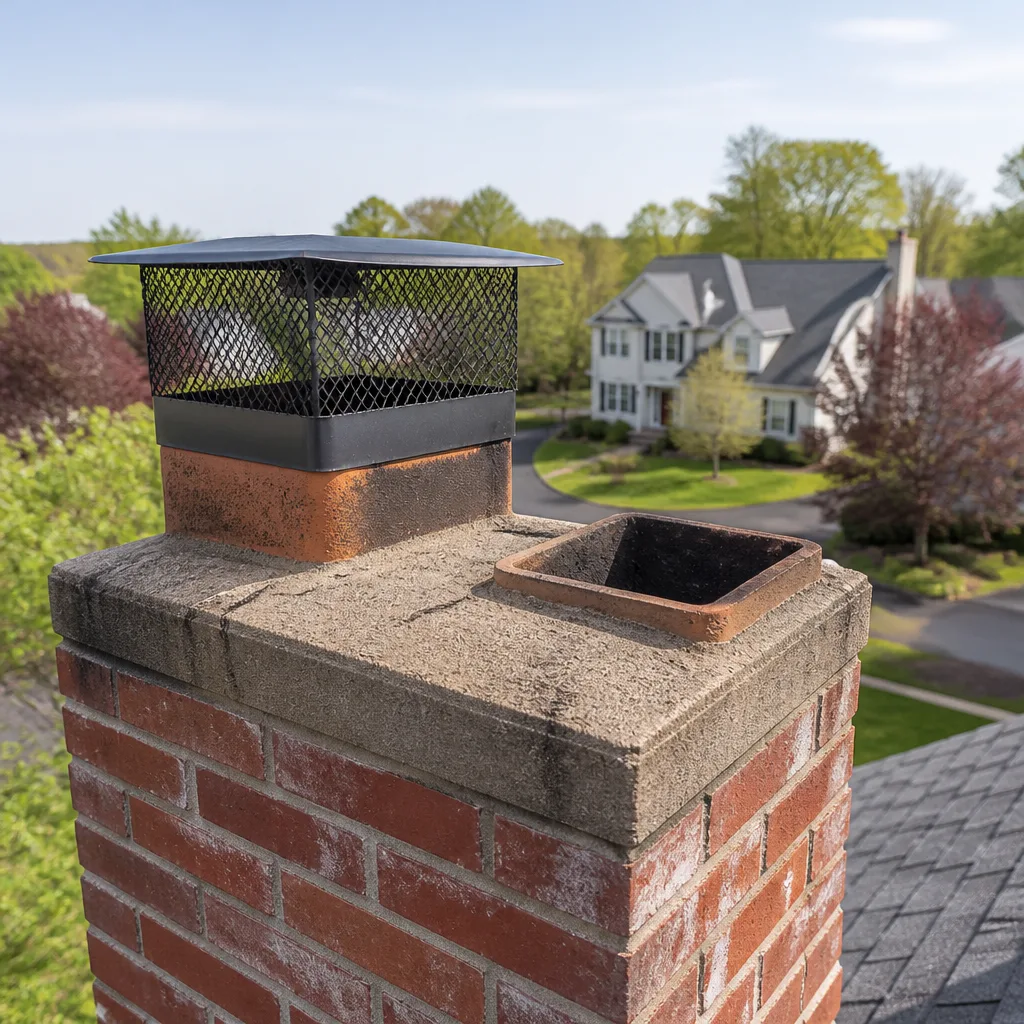 Sweep & inspection
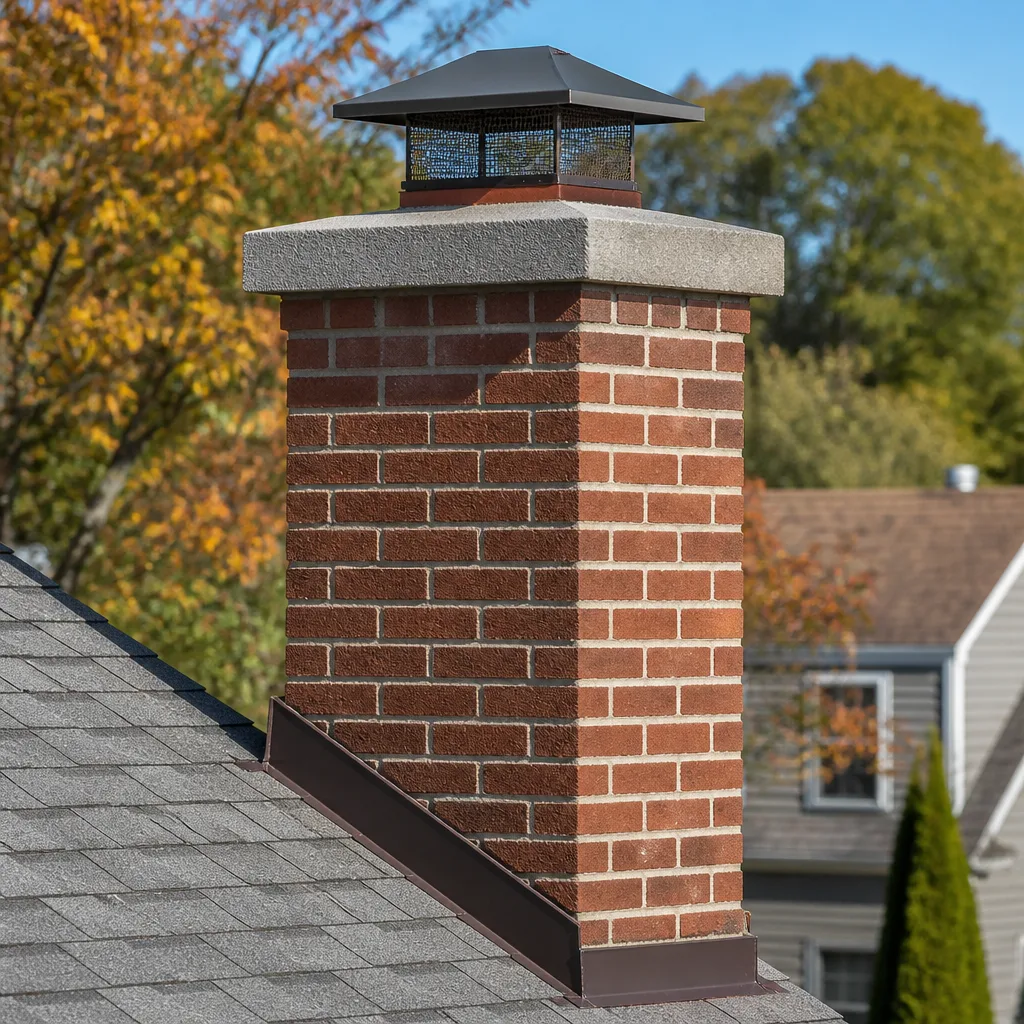 Caps & crowns
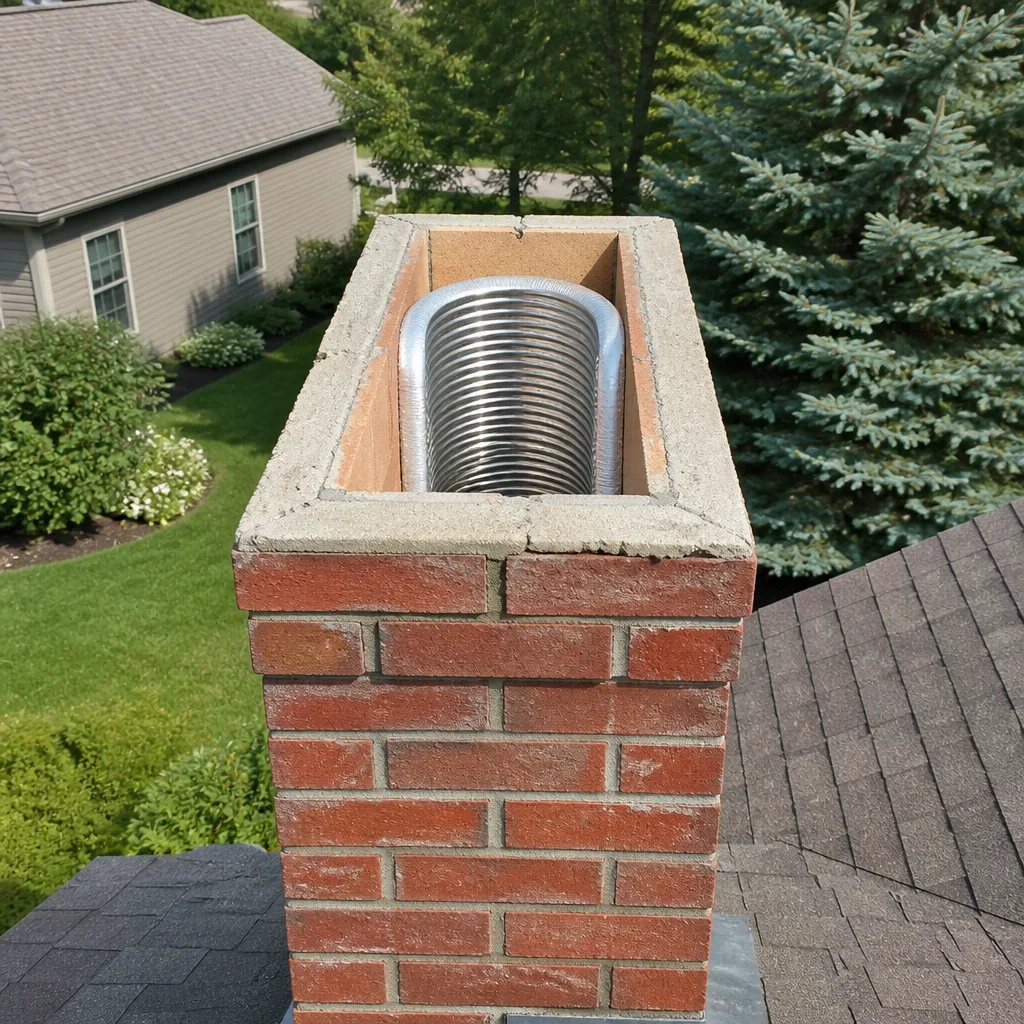 Flue relining
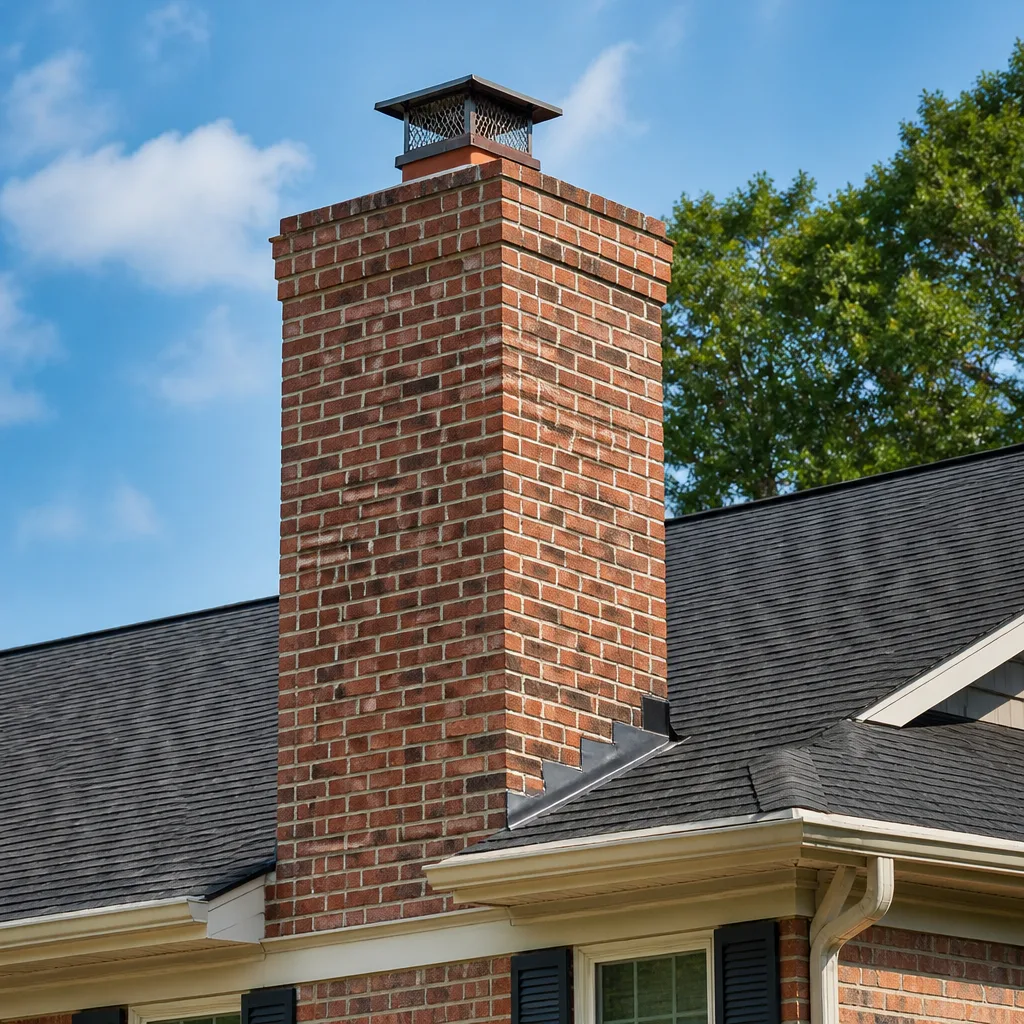 Masonry repair
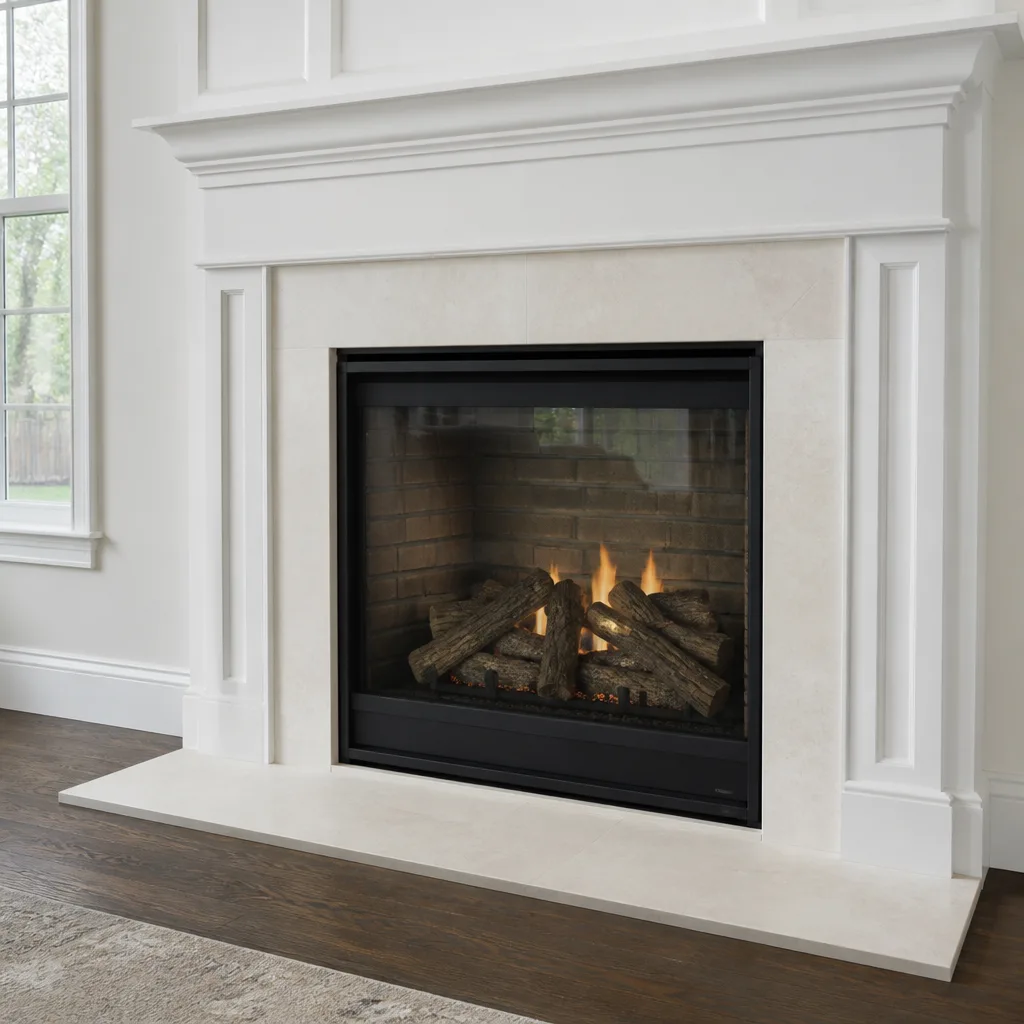 Gas fireplace service
Level 1 sweep and inspection to the NFPA 211 annual standard - flue, crown, cap, and flashing checked and photographed
Chimney sweep logs do not sweep chimneys. They loosen some creosote - which then falls where a brush and vacuum still have to collect it.
Chimney Cleaning Warning Signs: A Waco Homeowner’s Reference Guide
A smoky living room isn’t always a draft problem. It could be a blocked flue, a failed damper, a bathroom exhaust fan pulling negative pressure through the house, or a Stage 2 creosote buildup narrowing the flue. Most homeowners treat the symptom and skip the signal, which is why the same complaint comes back after every “fix.” Chimneys don’t fail without warning. They tell you months ahead through smell, staining, smoke behavior, and brick condition. This guide decodes what each warning sign actually means about the system underneath, so you can tell the difference between a cleaning you can schedule and a fireplace you should stop using today. We’ll cover what these signs mean specifically for Waco homes.
Quick Answer
The most important chimney cleaning warning signs are a strong burnt-wood or tar smell that lingers after the fire dies, smoke rolling into the room instead of up the flue, dark staining on the firebox or chimney cap, white chalky deposits on exterior brick, a rusted damper, and visible creosote glaze inside the flue. Any one of these means the chimney needs a professional look before you burn again. Stop using the fireplace immediately if you smell a harsh chemical odor with a headache or dizziness, see creosote glaze on the flue walls, or notice cracked or separated brick at the crown.
Styles & brands we work with
- Sweep & inspection
- Caps & crowns
- Flue relining
- Masonry repair
- Gas fireplace service
Table of Contents
- Symptom-to-Cause Reference Table
- What Smoke Rolling Into the Room Tells You
- Creosote Smell vs. Moisture Problem: How to Tell Them Apart
- White Staining, Efflorescence, and Rusted Dampers
- Warning Signs Specific to Gas Fireplaces and Log Inserts
- What Structural Warning Signs Look Like From Outside
- Stop Using It Today vs. Schedule Cleaning Within 30 Days
- Inspection, Documentation, and Why Evidence Matters
Symptom-to-Cause Reference Table
Most chimney problems present with a small handful of symptoms, and each one narrows down the likely cause fast. Here’s how we read them.
- Smoke rolling into the room – blocked flue, failed damper, creosote restriction, or negative house pressure
- Strong burnt-wood or tar smell after the fire dies – creosote accumulation reacting to humidity or heat
- Musty or damp odor, worse in spring – moisture intrusion through the crown, cap, or flashing
- White chalky staining on exterior brick – efflorescence, meaning water is moving through the masonry
- Dark staining on the firebox or above the damper – incomplete combustion and heavy smoke spillage
- Rusted or stiff damper – long-term moisture exposure inside the firebox
- Flakes of creosote falling into the firebox – Stage 2 buildup already advanced enough to spall
- Visible glaze on the flue walls – Stage 3 creosote, the highest fire-risk category
In Waco, the pattern we see most often is moisture-driven staining after a wet spring followed by creosote complaints in the fall, when homeowners first light the fireplace after months of disuse. The two problems look unrelated but often start in the same place: a cap or crown that stopped shedding water years ago. If you’re seeing more than one symptom on this list, a professional chimney sweep visit with a camera inspection will separate what’s cosmetic from what’s structural.
What Smoke Rolling Into the Room Tells You
Smoke spilling into the living room is the most misread sign on this list. It gets blamed on “bad draft” when the real cause is usually mechanical: something is blocking the flue or reversing the pressure in the house. Before you call anyone, you can narrow it down by watching when the smoke rolls.
- Smoke rolls out immediately on lighting. Likely a blocked flue or a damper that isn’t opening fully. A creosote layer thick enough to narrow the flue will do this, and so will a bird nest or debris cap sitting on top of the flue tile.
- Smoke rolls out only when the bathroom fan or kitchen hood runs. Negative pressure. The exhaust fan is pulling more air out of the house than the chimney can draw in to replace it.
- Smoke rolls out only in certain wind conditions. A short chimney, a nearby roofline, or a cap configuration that puts the flue outlet in a pressure zone.
- Smoke rolls out after the fire burns down. A cold flue losing its draft as the fire cools. Common in single-story homes and any chimney on an exterior wall.
The first step in every one of these cases is a proper inspection, not a guess. If we look up the flue and see clean, open tile, the problem is pressure, not blockage, and that changes what we recommend entirely. If you see a dark, greasy or crusty coating on the flue walls, the problem is creosote and it needs a sweep before you burn again. Our technicians have up to 14 years of experience reading this exact difference, and it’s the difference between one visit and three.
Creosote Smell vs. Moisture Problem: How to Tell Them Apart
These two produce odors that homeowners routinely mix up, and they lead to completely different repair paths. Getting it wrong means you may spend money on a sweep that doesn’t solve the smell, or miss a moisture leak that’s been working on your masonry for years.
Creosote smell
- Sharp, acrid, burnt-wood or asphalt-like odor
- Strongest in warm, humid weather or when the air conditioning runs
- Often worse in a room that’s been closed up
- Usually accompanied by visible dark coating inside the firebox or flue
Moisture problem
- Musty, earthy, or damp-basement smell
- Strongest after rain or during a wet stretch of weather
- Often accompanied by white staining on the exterior or dark streaks on the ceiling near the chimney
- Damper feels stiff or shows rust
A simple test: note when the smell is worst. If it worsens on dry, hot afternoons, that’s creosote off-gassing as the flue warms. If it worsens after a rainstorm, you’re smelling water. The creosote path is a sweep and possibly a resurfacing with HeatShield if the flue lining is compromised. The moisture path is a cap or crown repair, flashing work, and sometimes a full reline with DuraFlex if the tile has cracked from repeated wetting. In our experience across Waco, most “smelly chimney” calls turn out to be one or the other, rarely both, and the fix for the wrong one wastes the visit.
White Staining, Efflorescence, and Rusted Dampers
White powder or chalky streaks on the outside of your chimney aren’t cosmetic. That’s efflorescence, and it means water is traveling through the brick and evaporating on the surface, carrying mineral salts with it. The salt itself is harmless, but the water isn’t. It’s a sign that something above the roofline isn’t shedding water the way it should.
The usual suspects, in the order we find them:
- Cracked or missing chimney cap. The cap is a sacrificial component. When it fails, water goes straight into the flue.
- Failed crown. The concrete cap at the very top of the chimney cracks, separates from the flue tile, and lets water run down the inside of the masonry.
- Missing or failed flashing where the chimney meets the roof. Especially common on homes with original flashing from an older roof.
- Spalling brick. Once brick absorbs enough water and goes through enough wet-dry cycles, the face pops off. That’s structural, not cosmetic.
A rusted damper is the interior version of the same story. Moisture that comes down the flue collects in the firebox and works on the metal. If your damper sticks, grinds, or shows rust, it’s worth looking above the roofline before assuming the damper itself is the problem. The damper is often the messenger, not the cause.
When we repair, we build with materials that are meant to last between visits rather than survive one season. That means professional-grade products like Copperfield and Olympia Chimney for components that take weather, and HeatShield for resurfacing a flue that’s cracked but not yet failed. A big-box cap or a tube of masonry caulk from a home center won’t hold up to a Central Texas summer followed by a wet fall, and that’s the pattern most Waco chimneys actually face.
Warning Signs Specific to Gas Fireplaces and Log Inserts
Most chimney warning-sign guides are written for wood burners and skip gas fireplaces and log inserts entirely. That’s a gap, because a gas system fails differently and the warning signs are quieter. A wood fire lets you know when something’s wrong. A gas fireplace can look perfect while a venting problem builds.
- Soot on the logs or glass. Gas should burn clean. Soot means incomplete combustion, a venting issue, or a log set that’s been shifted out of position.
- A delayed light or a flame that lifts off easily. Airflow through the vent system is compromised. Have it checked before continued use.
- Condensation on the glass. Often the first visible sign of a vent problem in a vented log set.
- A “gas smell” after the fire is off. This is not a chimney cleaning issue. Turn the gas off at the shutoff and call your gas provider. A trained professional should handle anything involving gas lines.
- No visible flame change but a persistent headache or nausea in the room. Treat any of this as a carbon monoxide concern. Open a window, get out of the room, and call for help. Do not try to diagnose it yourself.
Gas fireplaces also don’t produce creosote. That means a “smokey smell” from a gas appliance is usually a venting issue or debris in the flue, not cleaning buildup. The inspection for a gas system is different from a wood-burning one, and it should include checking the termination cap and the vent path for obstruction, not just the firebox. Famco and Gelco caps and venting components are what we reach for on these jobs because they’re built to the spec the appliance manufacturer expected. If you’re unsure whether your gas fireplace has ever been inspected, a chimney repair specialist can check venting and termination at the same visit.
What Structural Warning Signs Look Like From Outside
You can catch a lot of chimney problems from the ground with a pair of binoculars, and it costs you nothing to look. Walk out to the yard and check for these, working from the top of the chimney down.
- Crown condition. The concrete cap at the top should overhang the brick and be crack-free. Any crack wider than a hairline, or a crown that’s pulled away from the flue tile, means water is getting in.
- Crown-to-flue-tile separation. The flue tile should sit proud of the crown with a clean joint. A gap here lets water run down the inside of the tile.
- Spalling brick. Look for brick faces that have popped off, leaving a rough or crumbly surface. That’s water damage, not age.
- White staining or dark streaking on the brick. Efflorescence, discussed above. Dark streaking suggests water is running down a specific face rather than evaporating.
- Damper rust, if visible from a flashlight shine-down. Not strictly exterior, but the same moisture story.
- Tilt or lean. If the chimney doesn’t sit plumb against the roofline, that’s a structural concern. Stop burning and get an inspection.
Waco’s masonry takes real heat in the summer and a fair amount of rain in the spring and fall. Brick moves. Crowns crack. Flashing pulls. A ten-minute look once a year catches most of it before it becomes expensive. And a professional-grade cap, correctly sized, is the single cheapest protection you can put on a chimney.
Stop Using It Today vs. Schedule Cleaning Within 30 Days
This is the question most homeowners actually have: do I need to stop, or can this wait? Here’s how we draw the line.
Stop using the fireplace today if you notice any of these
- Creosote glaze on the flue walls – a dark, shiny, crusty coating
- Creosote flakes or chunks falling into the firebox
- Harsh chemical odor combined with headache, dizziness, or nausea in the room
- Smoke filling the room and not clearing
- Cracked, displaced, or separated bricks at the crown or visible from the roofline
- Any gas smell from a gas fireplace
- A chimney that’s tilted or shows signs of structural movement
Schedule cleaning within 30 days if you notice any of these
- Moderate creosote buildup without glaze – a sweep clears it
- Reduced draft or a smoky smell without visible restrictions
- Fresh white staining or a rusted damper that you’ve just noticed
- A full season of heavy burning since the last sweep
The threshold between the two lists is creosote glaze and structural failure. Both are fire-risk categories. Everything else is maintenance that shouldn’t be put off past a season but isn’t a today problem. When you’re not sure which side of the line you’re on, that’s exactly what an inspection is for. We’ll tell you which list your chimney falls into and why, and we’ll show you the camera evidence so you don’t have to take it on faith.
Inspection, Documentation, and Why Evidence Matters
An inspection that just tells you “your chimney needs work” isn’t worth much. The value is in the evidence: what was found, where, and what it means for how you use the fireplace. That’s why we do camera inspections and include a photo report with what we recommend. It’s also what insurers and real estate transactions increasingly ask to see.
Our inspection covers three levels, only one of which most homeowners actually need:
- What the firebox and flue look like on camera. This is where creosote staging and lining condition become visible.
- What the exterior shows. Crown, cap, flashing, brick.
- What the operating components do. Damper, grate, door, venting on gas systems.
What you get back is a written summary with photos, a diagnosis of what each warning sign means, and a recommendation limited to what’s actually there. If the chimney doesn’t need work, we say so. If it can safely wait a season, we say that too. Trade-level products matter here, but so does knowing which ones you don’t need.
For homeowners in Waco neighborhoods where a lot of the housing stock runs older – the wood frame homes near the Brazos, the mid-century ranch houses off Valley Mills, the older brick on the north side – we find more lining issues than creosote alone. If a camera check shows cracked or spalling tile, a HeatShield resurfacing is often the right answer, and it extends the life of the chimney without full replacement. If the tile has failed through, a DuraFlex liner is the next step up. Both are trade-level products installed by people who know how they work. Neither is a decision to make from a sales pitch.
Common Mistakes to Avoid
- Treating smoke rollout as a draft issue alone. Blockage, a failed damper, and negative house pressure all present as “smoke in the room.” Guessing wastes visits and risks a burn-back.
- Confusing creosote smell with a moisture smell. One needs a sweep, one needs a cap or crown repair. A visit aimed at the wrong path solves nothing.
- Burning a “cleaning log” instead of a sweep. Those products don’t remove Stage 2 or Stage 3 creosote. They can loosen light deposits and make the flue harder to read on inspection.
- Ignoring gas fireplace warning signs because there’s no creosote. Soot on the glass, log-set shift, and condensation are all real signals that a gas system needs venting checked.
- Patching a crack in the crown with tubes of caulk from a home store. A Waco summer followed by a wet fall will open it again. Professional repair means a proper crown.
- Skipping the annual look-up. Ten minutes with binoculars once a year from the yard catches spalling brick, crown separation, and cap failure before they become structural.
- Taking a “replace the liner” recommendation at face value without camera evidence. If the inspector can’t show you the problem on a screen, you’re buying a guess. Get the photo report, read it, and ask questions before you schedule anything.
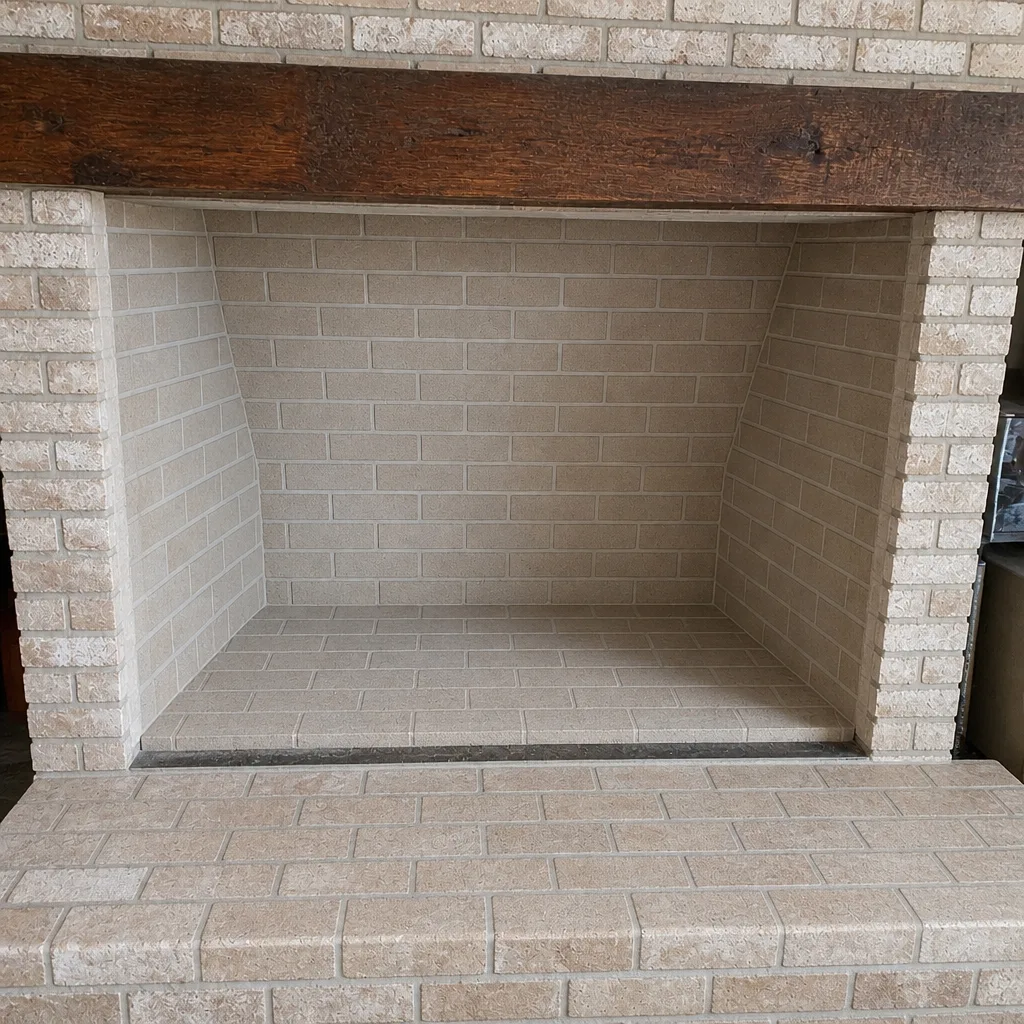
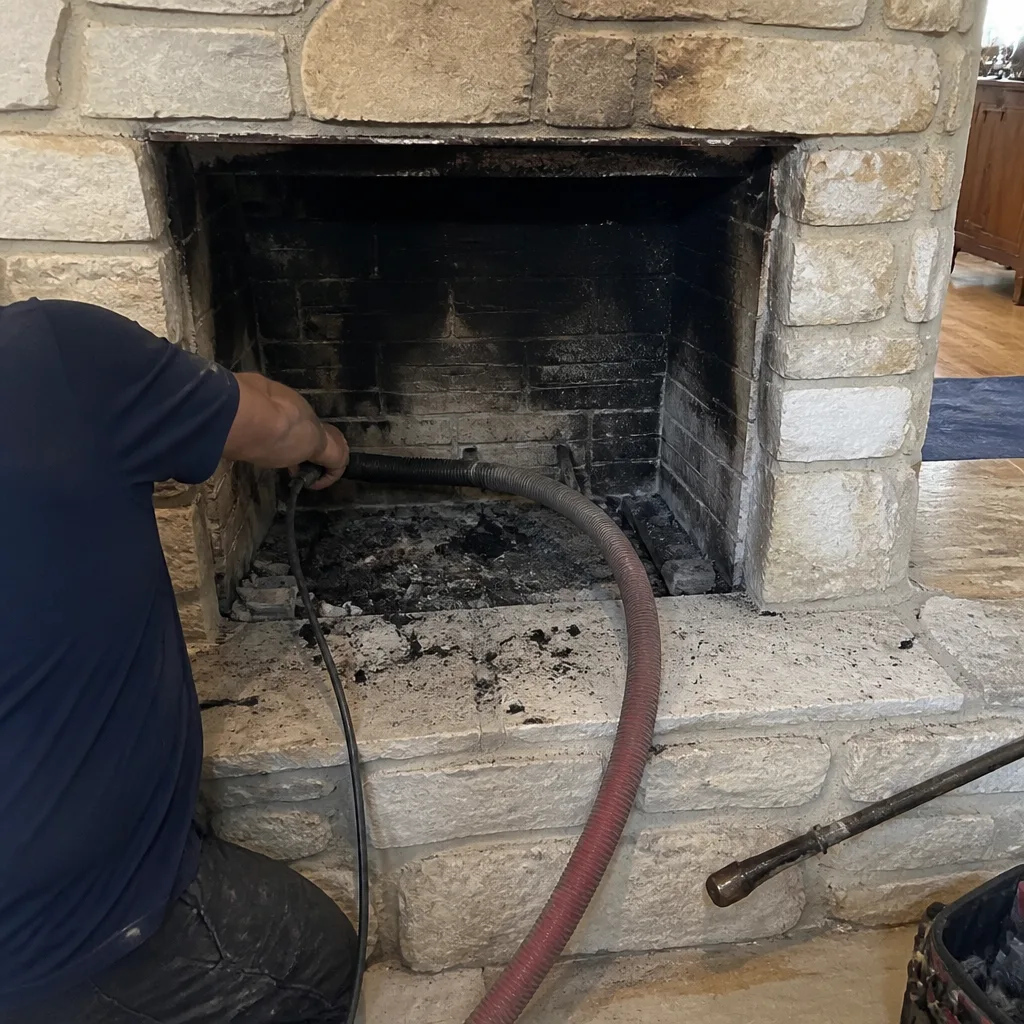
See the difference
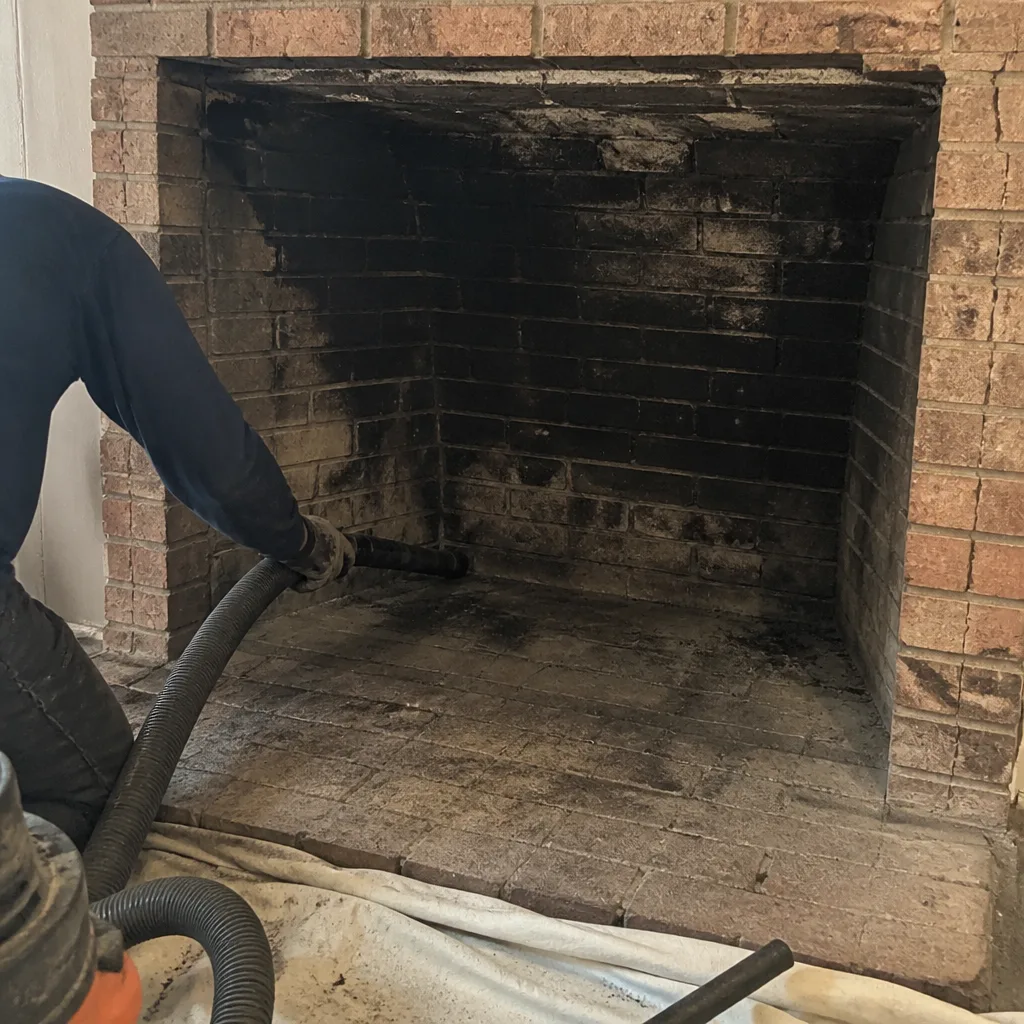 Before
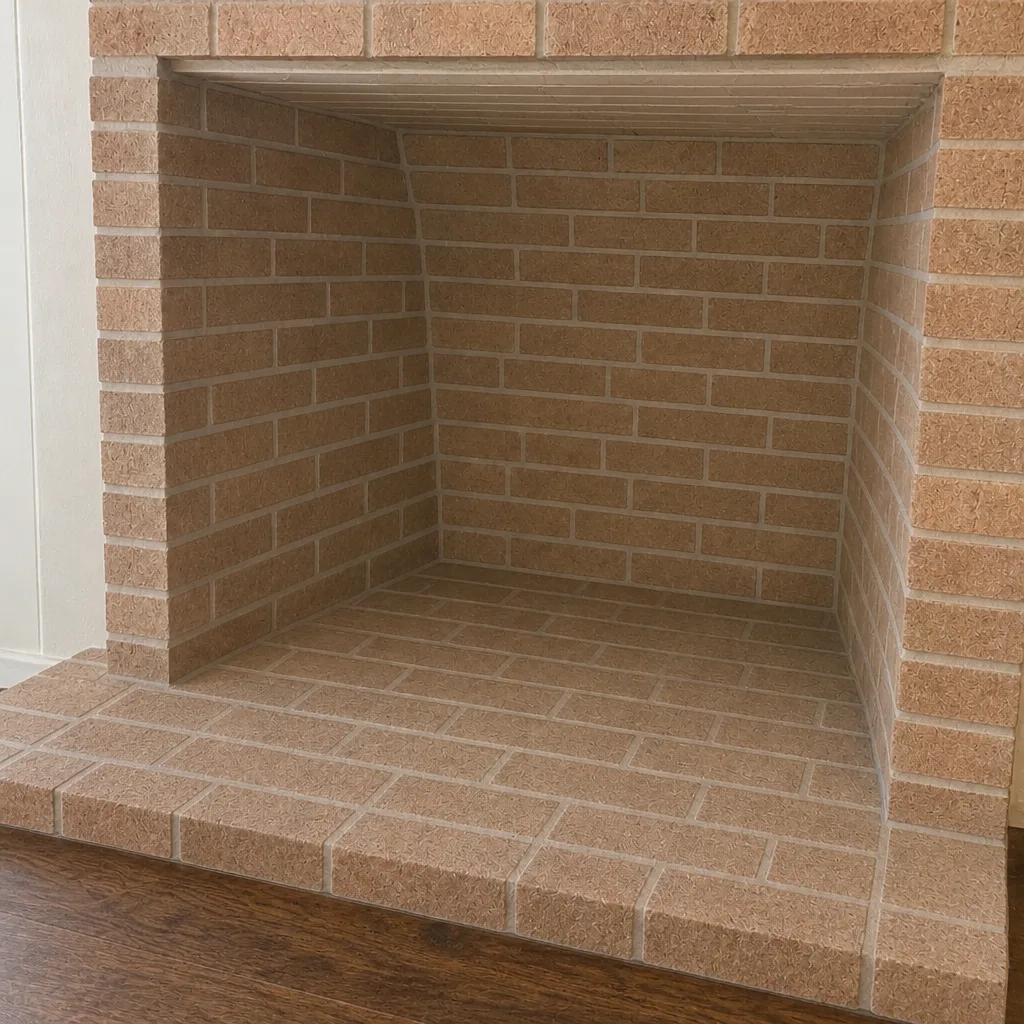 After
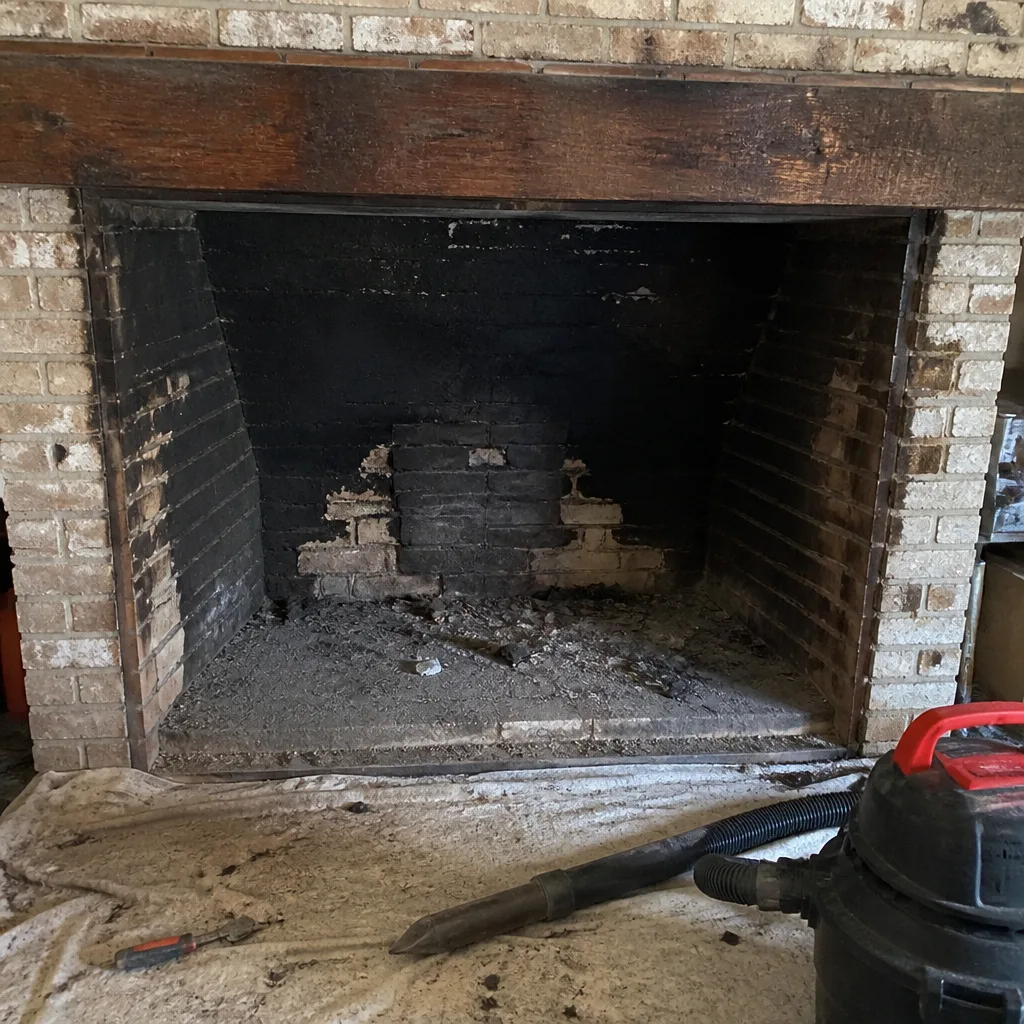 Before
 After
 Before
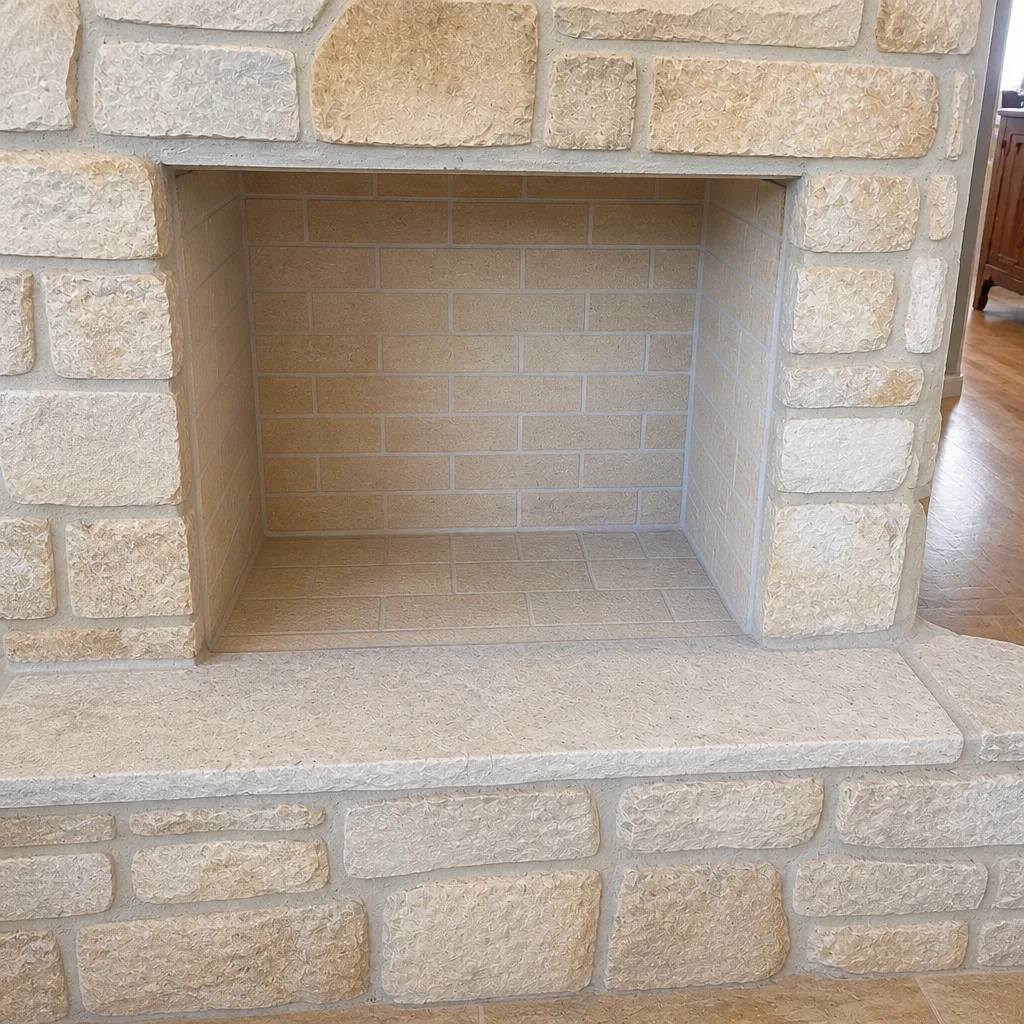 After
When to Call a Professional
Call when you’ve identified any of the “stop using it today” signs, or when you’re not sure which list your symptom falls under. Call if the smell from your chimney changes season, gets worse in rain, or appears alongside rust or staining. Call after a heavy season of burning even if nothing looks wrong – a professional camera inspection catches what a look-up doesn’t. Call if you’re buying a home in Waco and want a chimney inspection that produces documentation, not a verbal thumbs-up. And call if a previous contractor recommended liner or masonry work you couldn’t verify.
Chimney Sweep Waco offers free estimates across the city. Call (866) 370-3896. We answer 24/7. Fast dispatch from 7am to 7pm, Sunday through Friday. A call outside dispatch hours is booked into the next opening, Sunday through Friday, 7am to 7pm. There is no service-call fee. Our technicians have up to 14 years of experience, and the estimate is set per job by the written estimate before you book.
Frequently Asked Questions
A standard sweep is billed per job based on what the chimney actually needs, and the written estimate fixes the price before booking. We don’t charge a service-call fee for the estimate itself. Call (866) 370-3896 for an exact quote, estimates are free.
Every chimney should be inspected once a year and swept when there’s enough creosote to justify it. In Waco, a wood-burning fireplace used regularly through the cooler months typically needs a sweep every year, and a heavy-use stove can need one sooner. The inspection tells you which situation you’re in. Call (866) 370-3896 to book an inspection.
Creosote builds in layers, and each layer insulates the one beneath, which lets flue temperatures climb higher while the draft gets worse. In the worst case that leads to a chimney fire. Not every skipped sweep leads there, but every Stage 3 creosote load is a fire-risk category. That’s the line worth not crossing. Call (866) 370-3896 if your last sweep was more than a year ago.
Only if the current flue tile is cracked, spalling, or otherwise compromised, and that should be shown to you on camera before you decide. A worse-for-wear but intact lining can often be restored with a HeatShield resurfacing instead of a full reline. Ask to see the photo report. Call (866) 370-3896 if you have a liner recommendation you can’t verify.
It’s serious as a warning, not as damage. Efflorescence means water is moving through the masonry, which usually points to a failed cap, crown, or flashing. Left alone, that water will eventually spall the brick. A repair now is far cheaper than masonry work later. Call (866) 370-3896 for a look at the crown and cap.
It needs an inspection, not a sweep – gas doesn’t produce creosote. What it needs is a check of the venting, the termination cap, and the log-set position to rule out incomplete combustion. Soot on the glass or condensation on it are the signs to watch for. Call (866) 370-3896 and we’ll check it during a standard inspection.
The Bottom Line
Chimney warning signs arrive in a predictable order: smell first, then staining, then smoke behavior, then visible structural change. Each one narrows the diagnosis. Creosote smell means a sweep; musty smell after rain means moisture. Smoke rollout usually means blockage or pressure, not “bad draft.” White staining means water is moving through brick. Spalling, crown separation, or creosote glaze mean stop burning and get an inspection today. Across Waco, the same handful of patterns show up again and again, and the fix starts with reading the sign correctly rather than guessing. Get the camera inspection, see the evidence, and decide from there. Nothing gets recommended without it.
For a chimney evaluated start to finish by one specialist, see our Waco service area.
Call (866) 370-3896 for a free estimate. We answer 24/7. Fast dispatch from 7am to 7pm, Sunday through Friday.
Written by the team at Chimney Sweep Waco.