
Last updated November 15, 2026
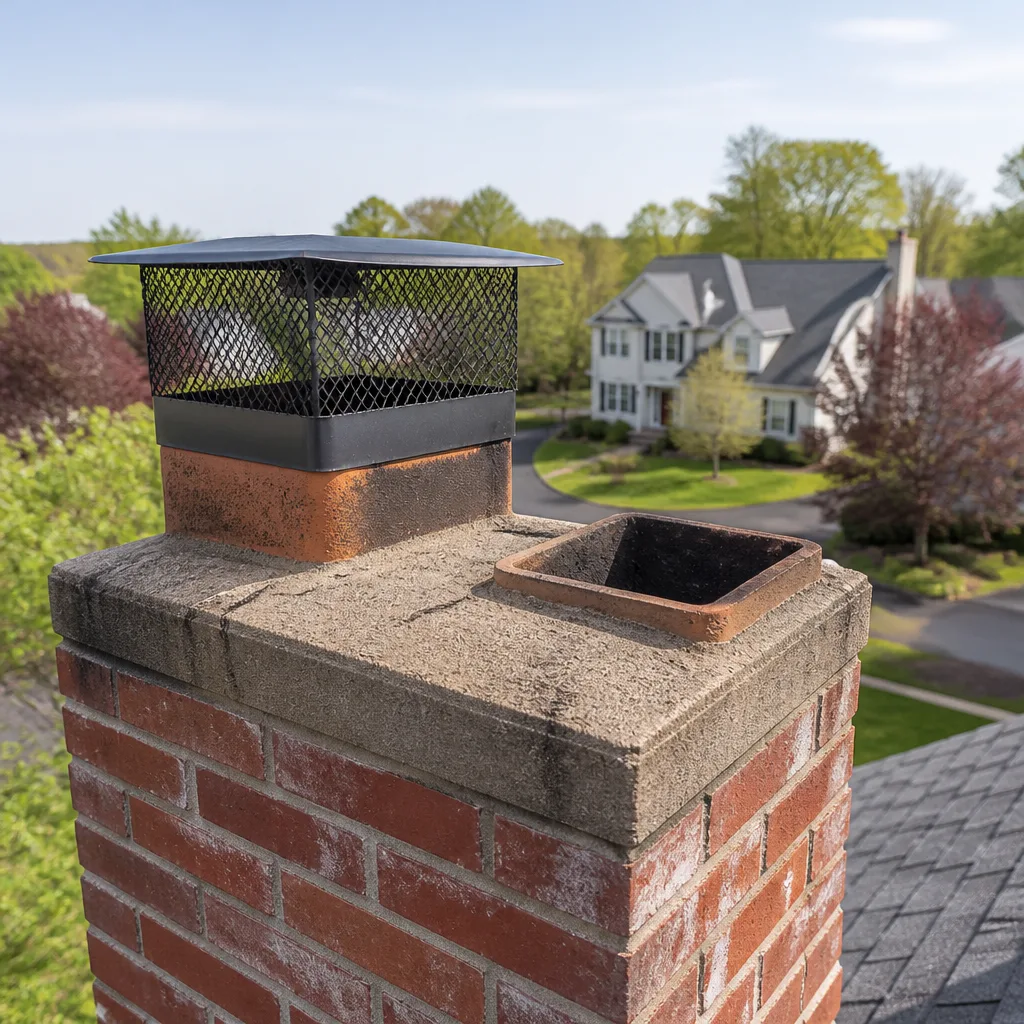 Sweep & inspection
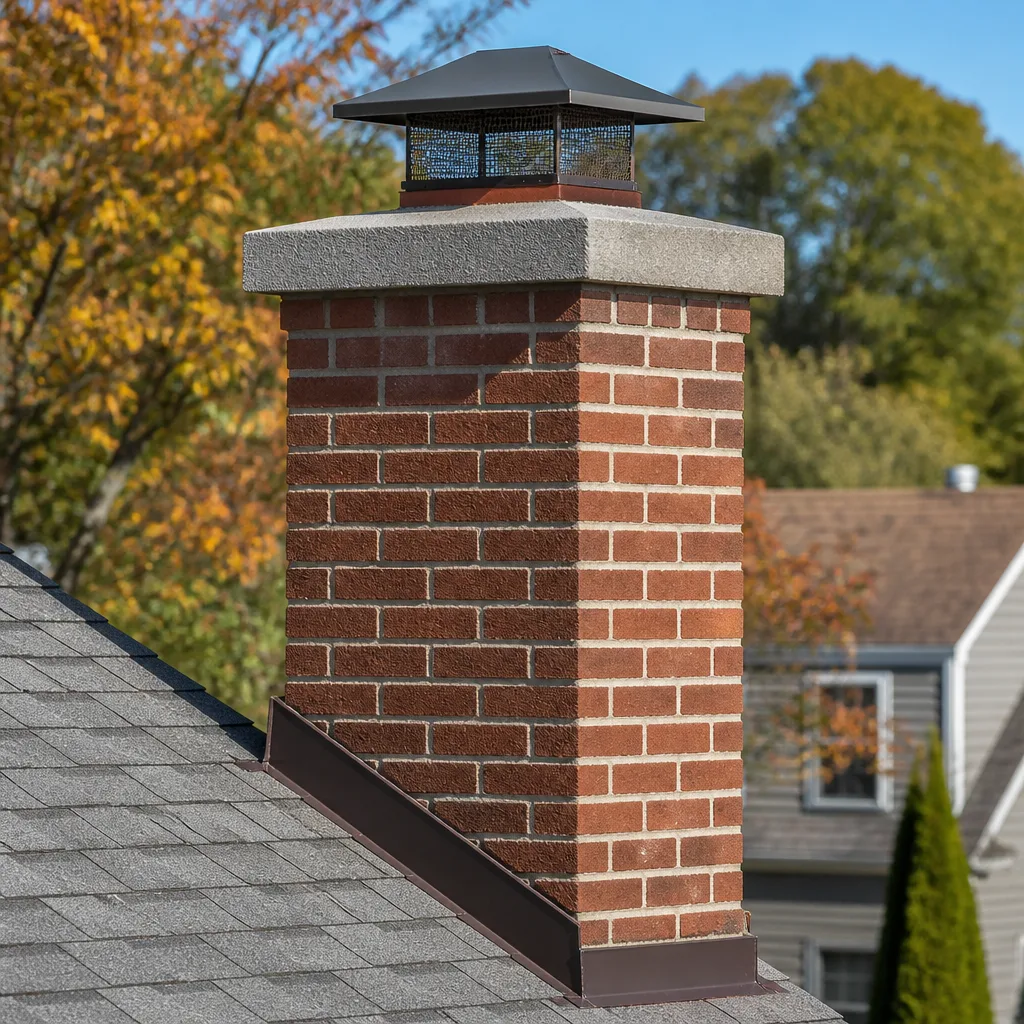 Caps & crowns
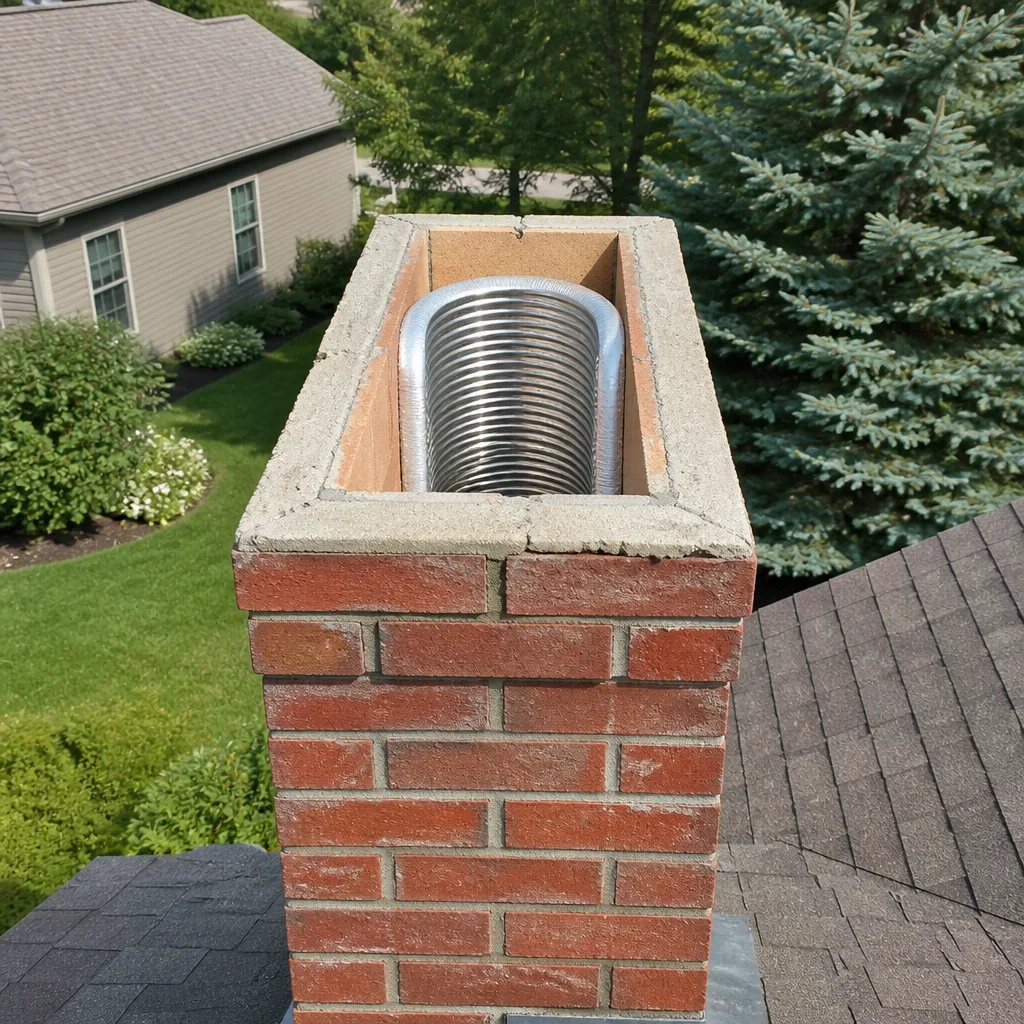 Flue relining
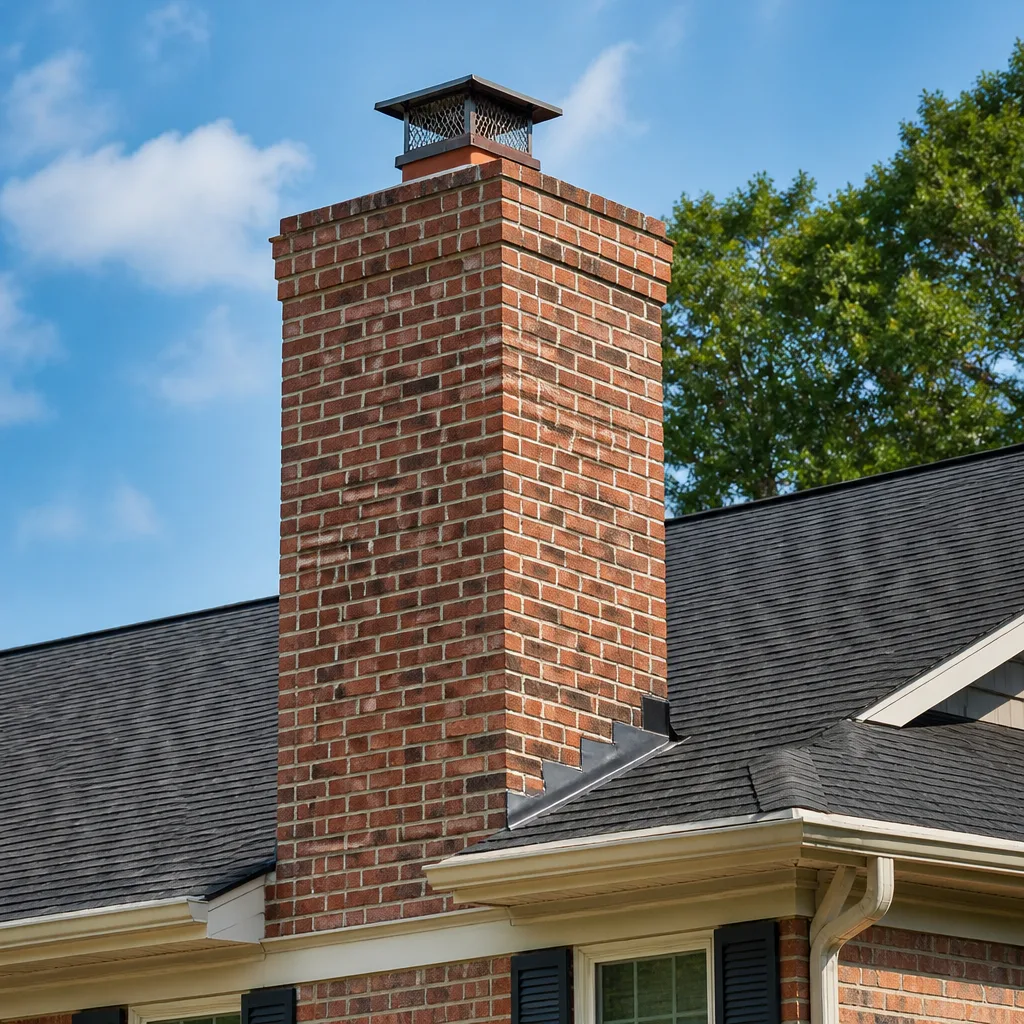 Masonry repair
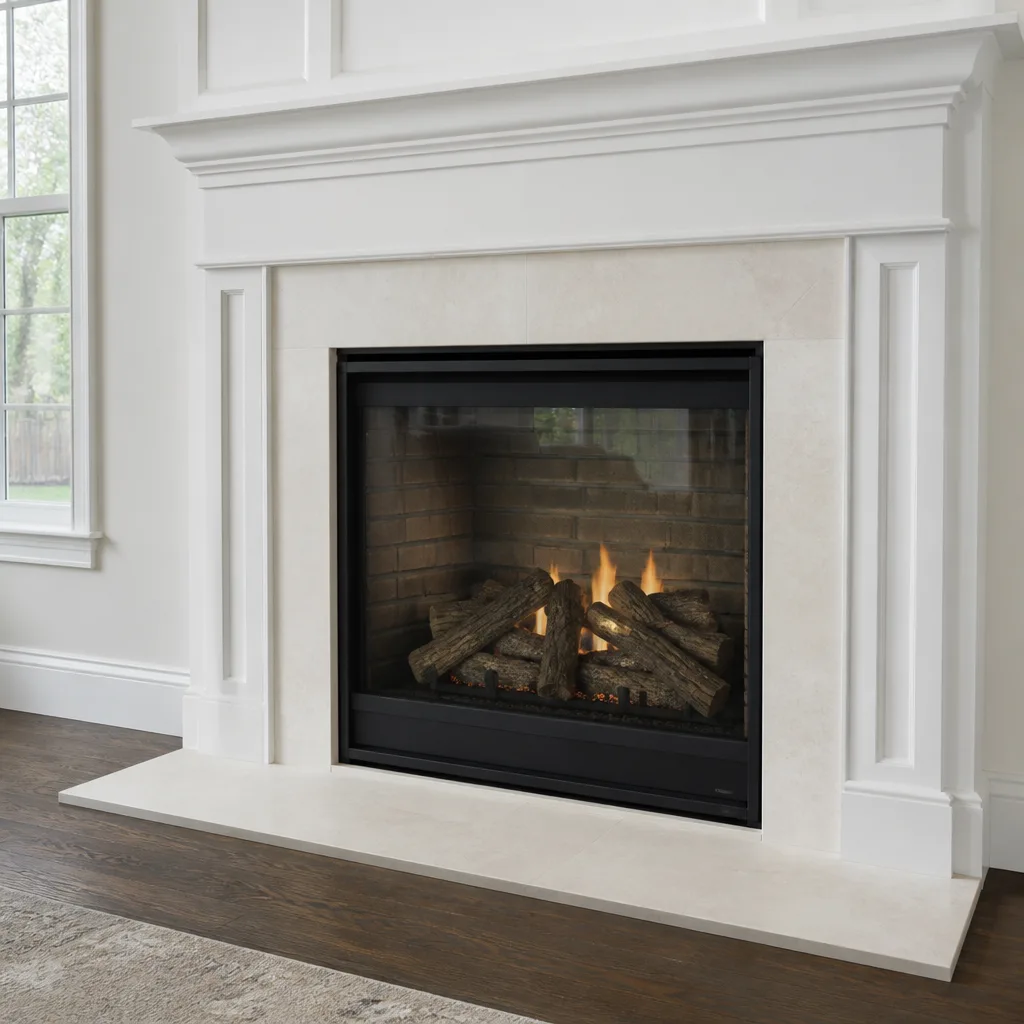 Gas fireplace service
Level 1 sweep and inspection to the NFPA 211 annual standard - flue, crown, cap, and flashing checked and photographed
Chimney sweep logs do not sweep chimneys. They loosen some creosote - which then falls where a brush and vacuum still have to collect it.
Chimney Sweep Troubleshooting in Waco: Common Problems and How to Fix Them
If smoke is backing into your living room, the instinct is to call for a cleaning. But a clogged flue is only one of six distinct causes of smoke rollback, and a sweep won’t touch five of them. That’s the part most homeowners never hear: the visible symptom rarely names the actual failure. A chimney that smells like a campfire after a rainstorm isn’t dirty, it’s saturated. A hearth that draws fine in November and fails in January isn’t blocked, it’s fighting your house for air. In this guide we’ll walk you through how a technician reads those symptoms in Waco, which ones belong to which repair, and what you can safely check yourself before anyone shows up.
Quick Answer
Most chimney problems in Waco fall into one of four categories: draft failure, creosote buildup, water infiltration, or structural damage to the crown, mortar, or flue liner. A sweep only solves the second one. If smoke rolls back into the room, you likely have a draft problem. If you see white staining on exterior brick or a crumbling crown, you have water getting in and a cleaning will make it worse, not better. Match the symptom to the cause first, then book the right service.
Styles & brands we work with
- Sweep & inspection
- Caps & crowns
- Flue relining
- Masonry repair
- Gas fireplace service
Table of Contents
- The Six Causes of Smoke Rolling Back Into Your House
- Negative Pressure vs. Blockage: Telling Them Apart
- How to Run a Basic Smoke-Draw Test Before You Call
- What a Spalling Smell After Rain Tells You About Your Liner
- Why Central Texas Heat Cycles Eat Exterior Mortar Joints
- The Water Infiltration Signs a Cleaning Will Make Worse
- Damaged Smoke Chambers and Undersized Flues
- Matching Your Symptom to the Right Service
The Six Causes of Smoke Rolling Back Into Your House
Smoke rollback, where exhaust spills into the room instead of up the flue, has exactly six common causes in this region. We’ve walked into a lot of Waco living rooms where the homeowner had already paid for a sweep and the problem was unchanged. Here’s what actually produces the symptom.
- Blocked flue. Creosote, a bird nest, a collapsed liner section, or a dislodged damper plate. This is the one a sweep fixes.
- Negative house pressure. Your house is tighter than the flue can fight. Kitchen exhaust fans, clothes dryers, bathroom vents, and modern weather stripping all pull air out, and the makeup air has to come from somewhere. Often it comes down your chimney.
- Damaged smoke chamber. The tapered transition above the damper is supposed to funnel smoke smoothly. When it’s rough, cracked, or badly shaped, turbulence pushes smoke back over the damper lip.
- Undersized flue. A flue that’s too narrow for the firebox opening can’t carry the volume the fire produces. This is common when a stove or insert was added to an older fireplace.
- Cold flue. A masonry flue is slow to warm. Until it does, the column of cold air inside is heavier than the smoke and pushes downward.
- Poor chimney height or nearby obstruction. A chimney shorter than the roof line, or one sitting downwind of a taller structure or tree, can’t get clean draw.
Only cause one is a cleaning job. Causes three, four, and six are structural repairs. Cause two is a pressure problem solved with makeup air, not with a brush. Cause five is a start-up technique issue. If a sweep was sold to you for a rollback problem that didn’t go away, this list is why.
Negative Pressure vs. Blockage: Telling Them Apart
You can separate these two most of the time without any tools, and it saves you a wasted service call. The tell is when the smoke misbehaves.
- Blockage pattern: smoke rolls back from the first minute, every time, and stays bad regardless of what you turn off in the house. It may also smell worse when you open the firebox door to add wood.
- Negative pressure pattern: smoke draws fine on some days and fails on others. It’s worse when the kitchen exhaust runs, the dryer is on, or the upstairs HVAC is pulling hard. Cracking a window nearby often produces an immediate improvement.
- Cold-flue pattern: it fails at start-up only, then settles once the fire is burning hot. This is a warm-up issue, not a blockage.
Try the window test. Light a small fire and note how the smoke behaves. Then crack a window in the same room a couple of inches and watch again. If the draw improves, your house is depressurized and the flue is probably clear. If nothing changes, that’s a sign of a physical obstruction and worth having inspected. In our experience and in homes across neighborhoods like Woodway, Hewitt, and the older blocks near downtown, the window test catches more negative-pressure cases than a full visit does. If it improves, you have a fix that doesn’t involve a chimney brush. If it doesn’t, book a chimney sweep with a camera so we can confirm what’s in the flue.
How to Run a Basic Smoke-Draw Test Before You Call
You can run this yourself in a few minutes and the result tells a technician a lot about whether you’re dealing with a draft problem or a physical obstruction. It’s simple, it’s safe, and it saves diagnostic time.
- Make sure the firebox is cold. No ash fire, no embers.
- Open the damper fully and confirm you can see up the flue past it.
- Close every window and exterior door in the house. Turn off exhaust fans, the clothes dryer, and any upstairs HVAC running hard.
- Light a short candle and hold it just inside the firebox, below the damper. Watch the flame.
- Observe the flame for thirty seconds. Straight up and steady means the flue is drawing. Flickering toward you, leaning sideways, or pulling back into the room means you have negative pressure or a blockage.
- Then blow out the candle and hold a lit match near the damper. Watch which way the smoke drifts. Same reading.
What you do with the result is the useful part. If the flame leans toward the room, repeat the test with a nearby window cracked two inches. If the flame straightens up, you’re fighting your own house for air and a sweep won’t help. If it stays disorganized, the flue needs a camera inspection. This test doesn’t replace a professional read on the system, but it tells you the likely answer before you spend money on a service that may not be the right one. For the deeper repair picture, our chimney repair page covers the structural side of what we find.
What a Spalling Smell After Rain Tells You About Your Liner
There’s a specific smell that shows up in Waco chimneys after a rainstorm and it isn’t creosote. Homeowners describe it as dusty, chalky, or like old concrete after a shower. That’s spalling, and it’s telling you something important about your liner or the interior masonry behind it.
Spalling happens when water gets into the masonry and pushes it apart. As the mortar or clay flue tile absorbs moisture and then dries, surface layers flake off. That flaking creates the dusty smell. It’s different from creosote, which is bitter, resinous, and usually stronger in summer heat. Spalling is most noticeable right after a rain and fades over a day or two.
The reason it matters: a spalling smell is one of the earliest signs that water is reaching the flue interior, usually from a failed crown, an uncapped flue, or missing mortar in the brick above the roof line. If water is sitting in the flue, the liner is degrading from the inside out. That damage accelerates quickly in this region because the daily temperature swings keep moving moisture in and out of the masonry. A sweep will not stop it. What stops it is addressing the water source, and depending on how far the liner has gone, resurfacing with a product like HeatShield or relining with a system like DuraFlex.
So if a chimney smells chalky after rain, treat that as a water question, not a creosote question. It’s a different service call. Our team in Waco handles both, and the first thing we do is find where the water is getting in before anyone picks up a brush.
Why Central Texas Heat Cycles Eat Exterior Mortar Joints
Mild winters don’t protect Waco chimneys. If anything, they set a trap. The problem isn’t freeze-thaw, which damages chimneys in cold climates. The problem here is the daily swing between hot afternoons and cool nights, which runs for most of the year. Each cycle expands and contracts the brick and mortar, and the mortar always loses that argument first because it’s the softer material.
Walk around any older exterior chimney in Waco and look at the mortar joints. The ones that look recessed, sandy, or crumbly are the ones that have cycled the most. Summer afternoon heat on a west-facing chimney can push the brick face past its tolerance, and the cooler night pulls it back. Do that a few thousand times and the joints open up. Once they open, water gets in behind the brick face, and the cycle gets worse.
Interior chimneys are somewhat protected, but the section that runs through the attic and above the roof line still sees the full swing. Any chimney chase that breaches the roof deck, whether it’s brick, stone, or a framed chase, is exposed to it.
The practical takeaway: if your exterior chimney shows sandy, recessed, or cracked mortar joints, that’s not cosmetic. It’s the leading cause of water infiltration in this region, and it’s what makes a cleaning pointless until it’s sealed. Repointing the joints and rebuilding the crown are the fixes. Neither one is a sweep.
The Water Infiltration Signs a Cleaning Will Make Worse
This is the section we wish every homeowner read before booking anything. There are specific visual signs that mean your chimney is taking on water, and if you have them, a sweep should wait until the water source is fixed.
- White staining on exterior brick. Efflorescence. It’s mineral salt pushed through the brick face by moisture. It’s a moisture indicator, not a stain.
- Crumbling or cracked crown. The concrete cap at the top of the chimney that sheds water away from the flue. Cracks in it send water straight down the outside of the flue.
- Missing or loose chimney cap. Without a cap, rain falls straight into the flue. This is one of the most common things we see and one of the easiest to fix.
- Dark or damp masonry at the firebox. Water tracking down the interior of the chimney and pooling near the base.
- Rust streaks below the damper. Water reaching metal components inside the structure.
Here’s why the sequence matters. A chimney sweep uses a rotary brush and a shop vacuum. On a dry, sound chimney that’s fine. On a chimney with active water infiltration, the moisture has usually compromised the inner face of the flue tile. Running a brush through a softened flue can crack or spall it, and now you have flue debris inside the stack on top of the original water problem. The right order is: fix the water source, then clean. Sealing a crown and installing a proper cap with Famco or Copperfield components are both jobs the sweep should be scheduled after. Our Waco service page lays out how we sequence that for local homes.
Damaged Smoke Chambers and Undersized Flues
These two live above the firebox and both produce the same symptom as a blockage: smoke in the room. They’re also the two most frequently missed causes because they aren’t visible unless you’re looking up into the chimney from the firebox with a light.
Damaged smoke chamber
The smoke chamber is the funnel-shaped space between the damper and the base of the flue. When it’s correctly shaped, the walls corbel smoothly inward at 45 degrees, and smoke flows up the way it’s supposed to. In old construction, especially in some of Waco’s older housing stock, the smoke chamber is often rough-finished brick or has been poorly parged. Rough walls create turbulence. Cracks leak. The result is smoke that curls back over the damper lip and into the room. This is fixed with a resurfacing product like HeatShield, which smooths the chamber walls back to the correct profile without tearing out the chimney.
Undersized flue
A flue should be large enough for the fireplace opening. This becomes a problem when a stove or insert was added to an older fireplace without matching the flue size to the new appliance. The fire produces more exhaust than the flue can carry, and the excess spills. That’s not a cleaning problem, it’s a sizing problem, and the fix is usually relining to the correct diameter with a system like DuraFlex. If you have a stove or insert that reliably puffs smoke when the door is shut, this is the first suspicion.
Both of these need a camera inspection to confirm. A visual check from the firebox usually isn’t enough.
Matching Your Symptom to the Right Service
Here’s the part that saves money. Most homeowners arrive at a chimney question with one sentence, and the sentence usually names a symptom rather than a cause. The table below maps the symptom to the actual service. If you match it before calling, you’ll get the right visit on the first try.
- Smoke on every fire, every time, no draft at all: likely blockage or collapsed liner. Service: sweep with camera inspection, possibly relining.
- Smoke only when kitchen or dryer fans run: negative house pressure. Service: draft diagnosis and makeup air correction, not a sweep.
- Smoke at start-up only, then fine: cold flue. Service: none required, but a taller cap or a warm-up technique may help.
- Smoke with a stove or insert installed: undersized flue. Service: camera inspection and likely relining.
- Chalky smell after rain, white staining on brick, cracked crown: water infiltration. Service: crown repair, cap install, masonry sealing, then clean.
- Creosote smell in summer heat, heavy black soot, glassy glazed flue: creosote buildup. Service: sweep. This is the most common honest sweep call.
- Tarry smell with no fire in use, soot on the fireplace face: damper or smoke chamber problem. Service: repair.
- Rust streaks below the damper, damp masonry: water tracking through the structure. Service: water-source repair before any cleaning.
We work calls through that list before anyone books anything, because the sequencing matters more than most people realize. Our inspection service is built to record what we see with a camera and a photo report, which is what you want if you’re dealing with insurance or if a prior contractor told you the flue needed thousands in repair. Ask for the evidence. A professional will show it to you. The fix, if one is needed, is handled by the same people who did the inspection, whether it’s a sweep, a HeatShield chamber resurfacing, or a DuraFlex relining.
Common Mistakes to Avoid
- Booking a sweep for a smoke-rollback problem. A sweep fixes creosote, not draft. If smoke rolls back, the sweep won’t change it, and you’ll spend twice. Match the symptom to the cause before you call.
- Cleaning a chimney that has active water infiltration. A rotary brush on a moisture-weakened flue can spall the tile. Fix the crown and cap first, then clean. Reversing that order often turns a small repair into a relining job.
- Ignoring negative pressure because it “seems like a chimney problem.” It isn’t. In tightly sealed Waco homes, depressurization is common and a sweep won’t help. Try the window test first.
- Assuming mild winters mean the exterior masonry is protected. The heat-cool swing here is harder on mortar joints than a cold-climate freeze cycle. Repointing is routine maintenance in this region, not a sign of a failing chimney.
- Skipping the camera inspection. A visual check from the firebox misses smoke chamber damage, liner cracks, and stove-sizing problems entirely. Ask for the camera and the photo report.
- Putting off the crown because it “looks fine from the ground.” It often doesn’t once you’re on the roof. A cracked crown is the number-one water entry point on exterior Waco chimneys, and it’s cheap to fix early.
- Treating a spalling smell as a creosote smell. Creosote is bitter and strong in summer heat. Spalling is chalky and appears after rain. They’re different problems and they lead to different services.
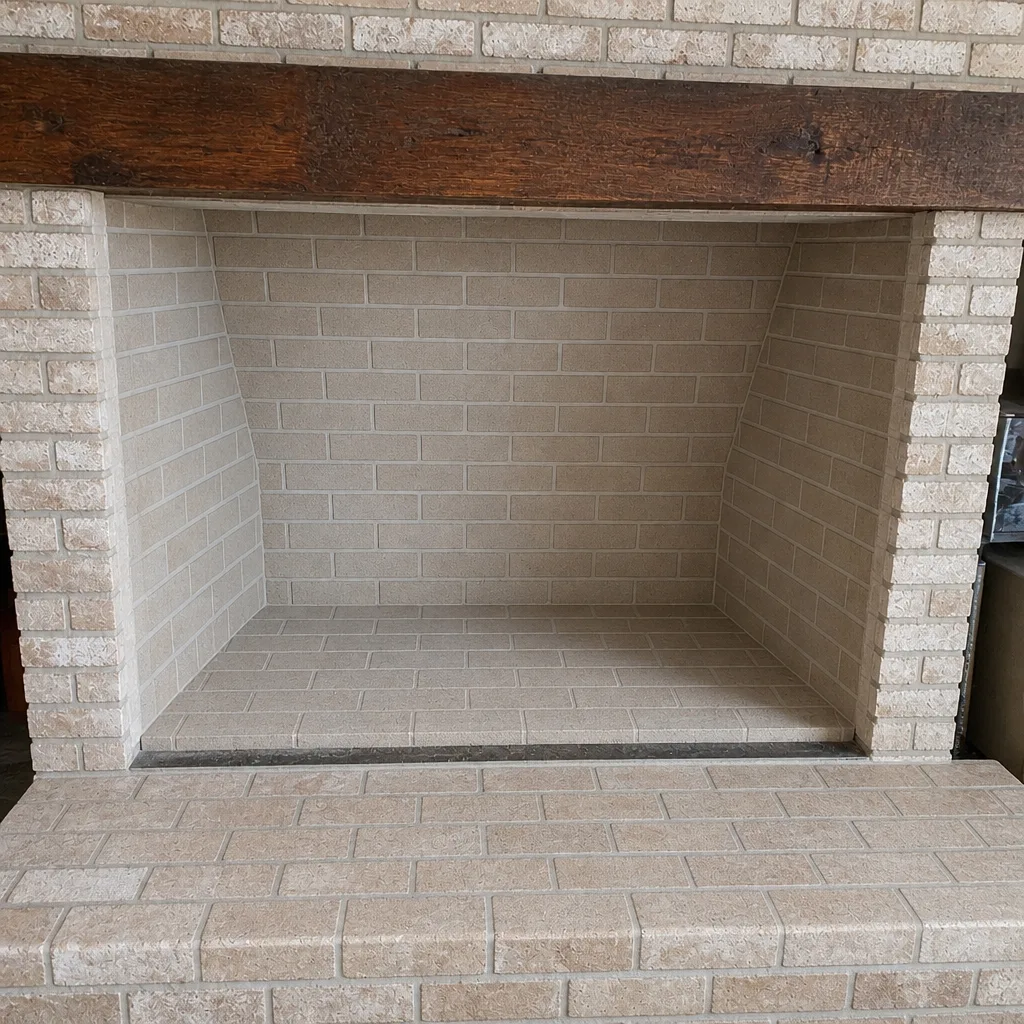
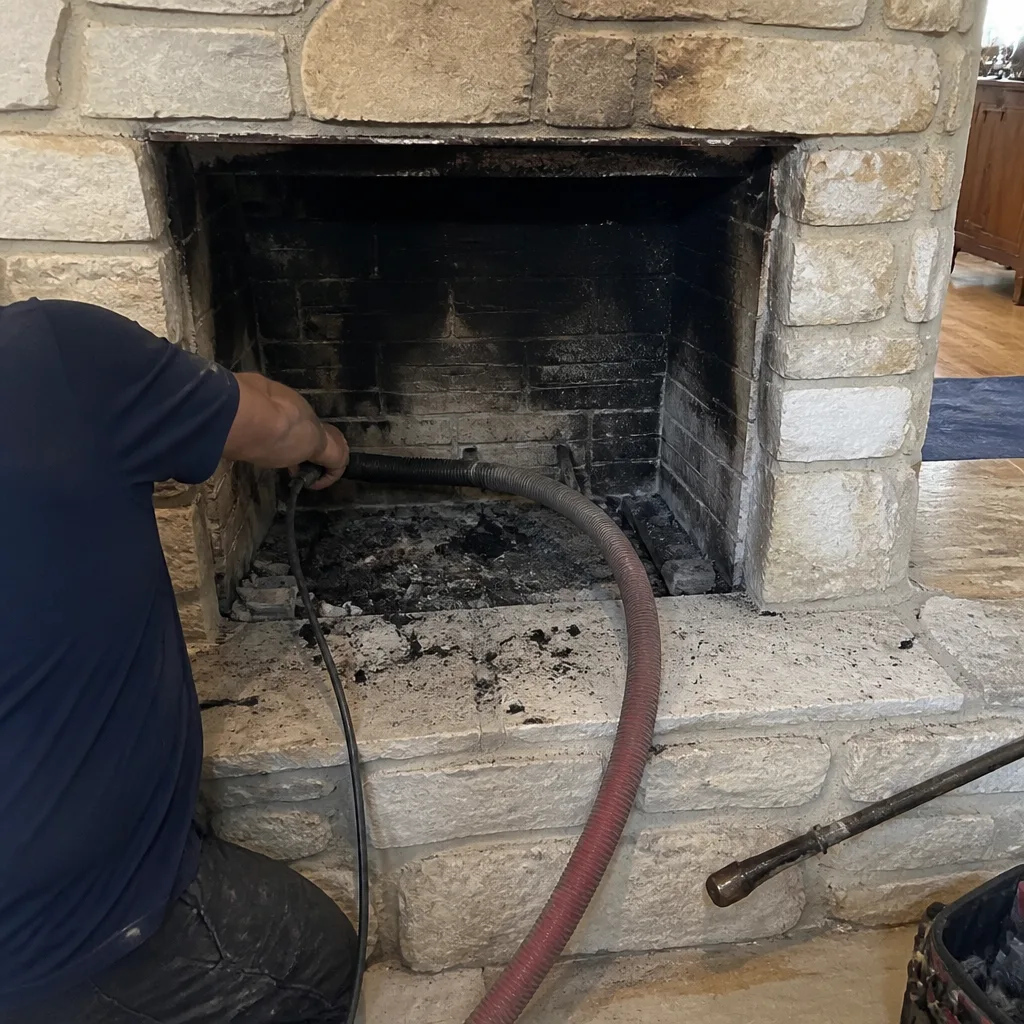
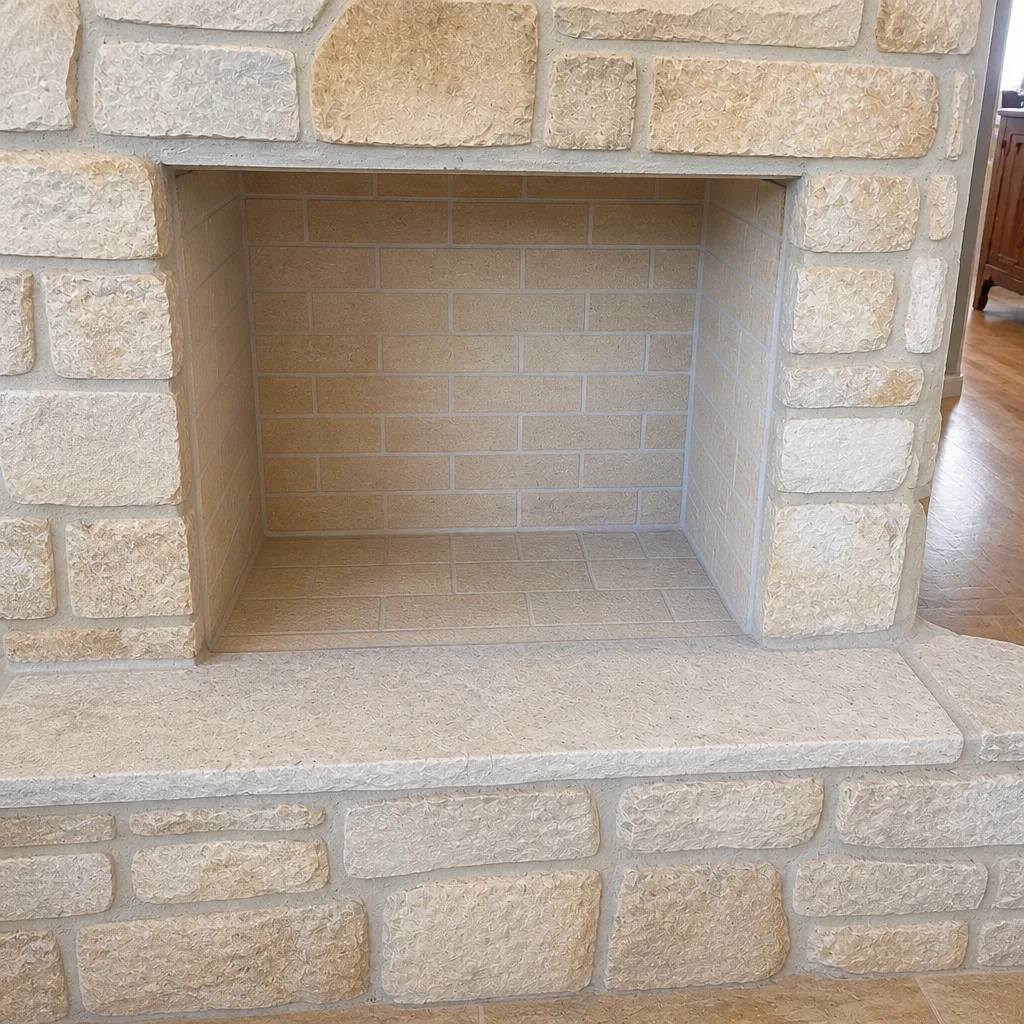
See the difference
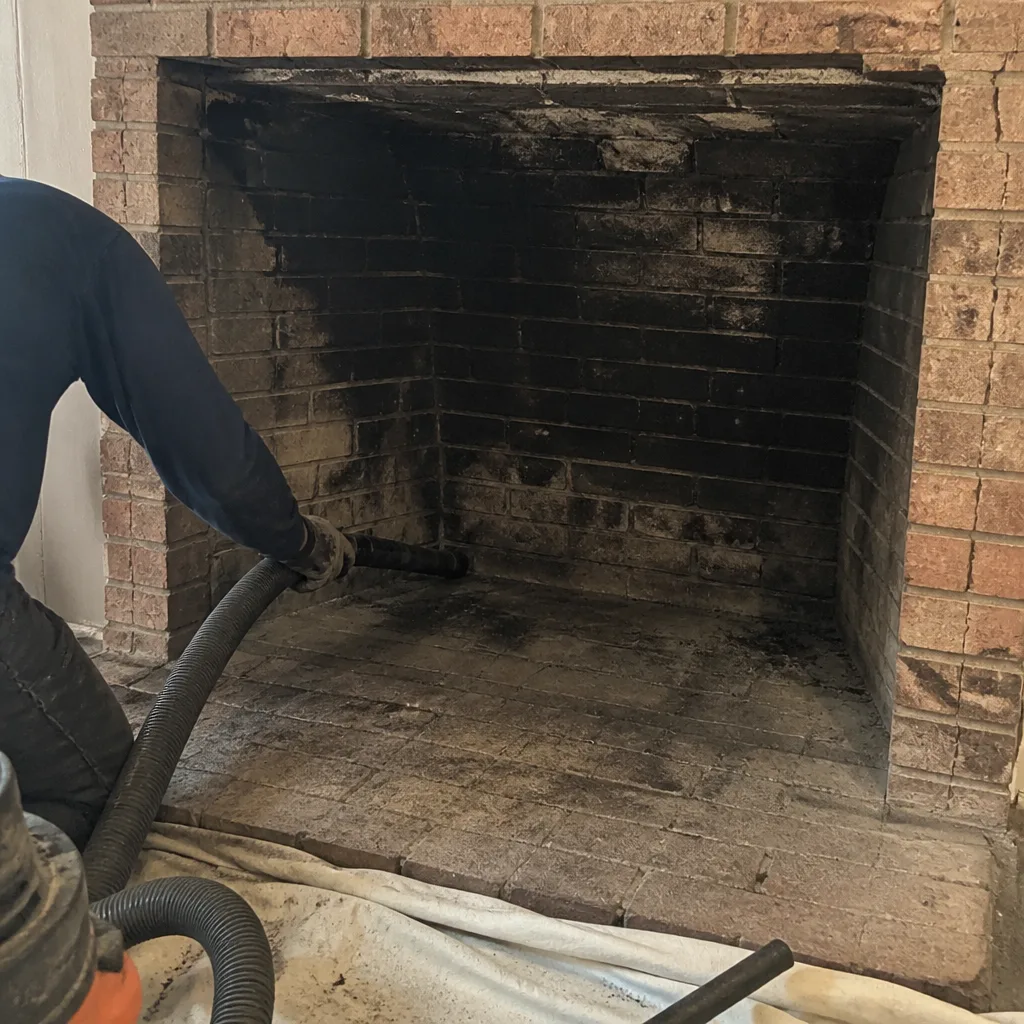 Before
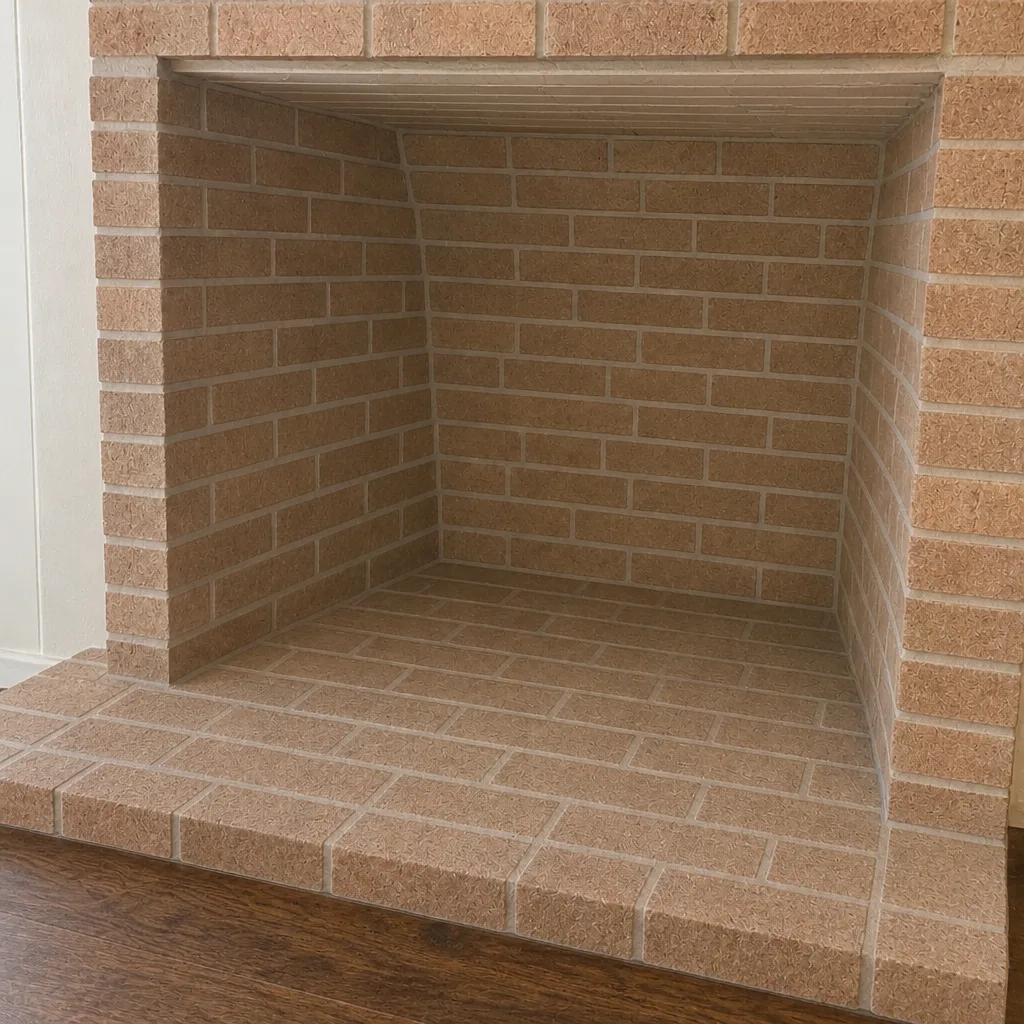 After
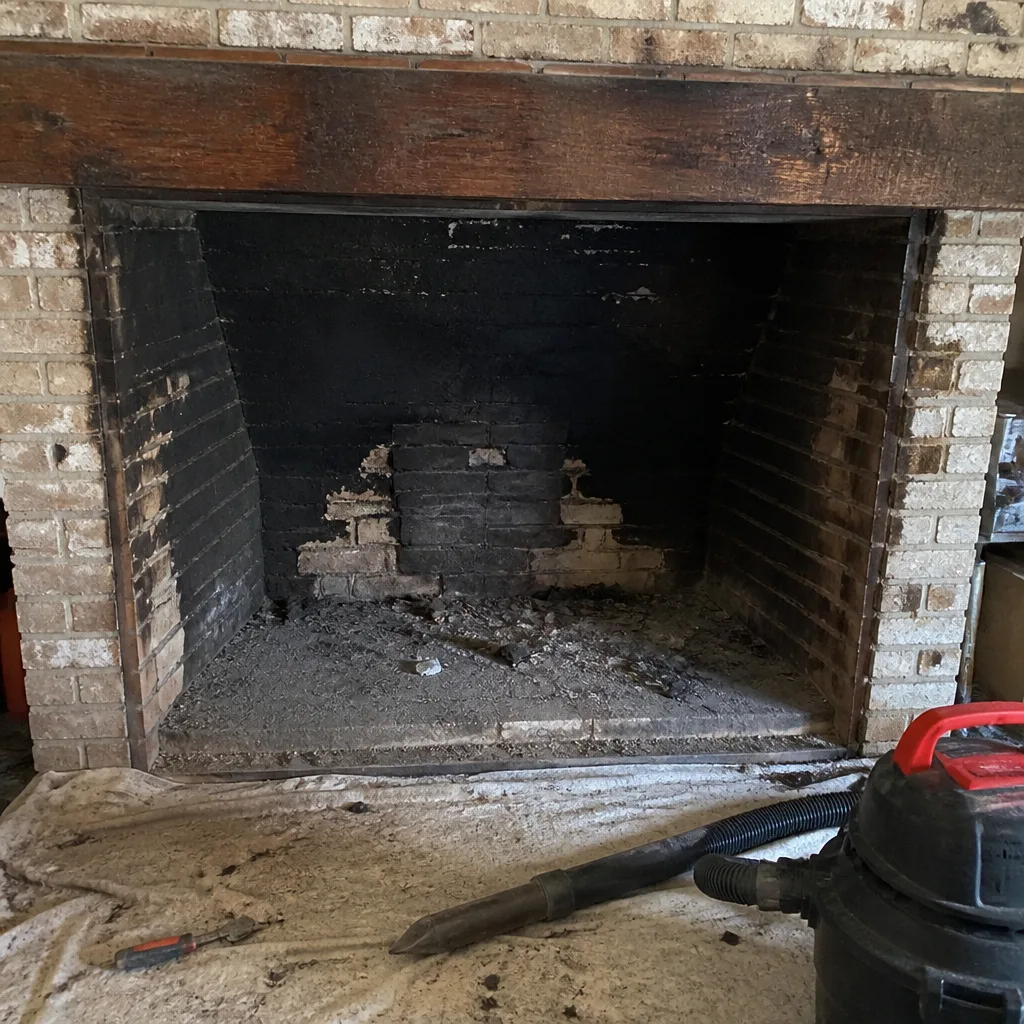 Before
 After
 Before
 After
When to Call a Professional
Call a professional if any of the following is true for your chimney: you’ve never had it inspected, you’ve noticed smoke rolling back into the room on multiple fires, you see white staining on exterior brick or a cracked crown, you smell a chalky scent after rain, you have a wood stove or insert that was added without matching the flue, or you’ve had a prior contractor tell you the liner needs replacing without showing you camera evidence. Same-day service is available, and a free estimate is part of the visit. Chimney Sweep Waco offers free estimates in Waco. Call (866) 370-3896. We answer 24/7. Fast dispatch from 7am to 7pm, Sunday through Friday. If you’d rather start by understanding what a professional sweep actually does, the cleaning service page walks through it step by step.
Frequently Asked Questions
Smoke entering the room is almost always one of six causes: a blocked flue, negative house pressure, a damaged smoke chamber, an undersized flue, a cold flue at start-up, or insufficient chimney height. Only the first one is a cleaning issue. Run the window test first: light a small fire, then crack a window in the same room. If draw improves, you have negative pressure. If it doesn’t, the flue needs a camera inspection. Call (866) 370-3896 for an exact assessment. Estimates are free.
Sweeping in Waco is a flat-price job by estimate, and the written quote you receive before booking is the final price. The price depends on the level of creosote buildup and whether the flue needs a camera inspection. If your chimney has water damage or liner issues, the right sequence is to fix those first, and we’ll tell you plainly when a cleaning can safely wait and when it can’t. Call (866) 370-3896 for a free estimate.
A chimney used regularly for wood burning should be inspected annually and swept when the creosote layer reaches a meaningful thickness. Frequency depends on how much you burn, how well seasoned the wood is, and how the fire is run. In our experience, Waco homeowners who burn through the cooler months tend to need a sweep every year or so, while occasional users may stretch longer between cleanings. An annual inspection is the reliable way to know. Call (866) 370-3896 for a free estimate.
Not always, and the honest answer requires camera evidence. A liner is replaced when it’s cracked, spalled, oversized, or mismatched to the appliance. Many chimneys that get told they need a full liner actually just need a resurfaced smoke chamber, which HeatShield handles without tearing anything out. Others do need relining with a system like DuraFlex, and we’ll show you the photos before recommending it. Ask for the report. Call (866) 370-3896 for a free estimate.
A sweep cleans. An inspection diagnoses. The sweep removes creosote from the firebox, damper, smoke chamber, and flue. The inspection documents the condition of the crown, cap, liner, smoke chamber, and masonry, usually with camera video and a photo report you can keep. You need both eventually, but they answer different questions. If your chimney is smoking, leaking, or smelling, book the inspection first. Call (866) 370-3896 for a free estimate.
Two things can follow from a skipped chimney: creosote builds up and becomes a fire hazard, and slow water damage degrades the liner and masonry from the inside. The fire risk is real and well documented. The water damage is quieter and often more expensive over time. Neither one improves by waiting. Some work can safely wait until the next season, but creosote at the top of a flue and an active crown leak shouldn’t. We’ll tell you which category you’re in. Call (866) 370-3896 for a free estimate.
The Bottom Line
Match the symptom to the cause before you book. Smoke in the room is usually a draft failure or smoke chamber problem, not a blockage. A chalky smell after rain is water in the liner, not creosote. White staining and a cracked crown mean water is getting in, and a cleaning will make it worse if you do it first. The heat-cool swing that runs most of the year in Central Texas wears exterior mortar joints slowly and adds up over time. One specialist who handles sweep, repair, and inspection with professional-grade materials like HeatShield, DuraFlex, Famco, and Copperfield will read the symptom honestly and sequence the work correctly.
If you’d like a technician who does that kind of read, call Chimney Sweep Waco at (866) 370-3896 for a free estimate. We answer 24/7. Fast dispatch from 7am to 7pm, Sunday through Friday. Our technicians have up to 14 years of experience, and we work in professional-grade product lines that hold up between visits, not just for the day of the cleaning.
Written by the team at Chimney Sweep Waco.