
Last updated November 15, 2026
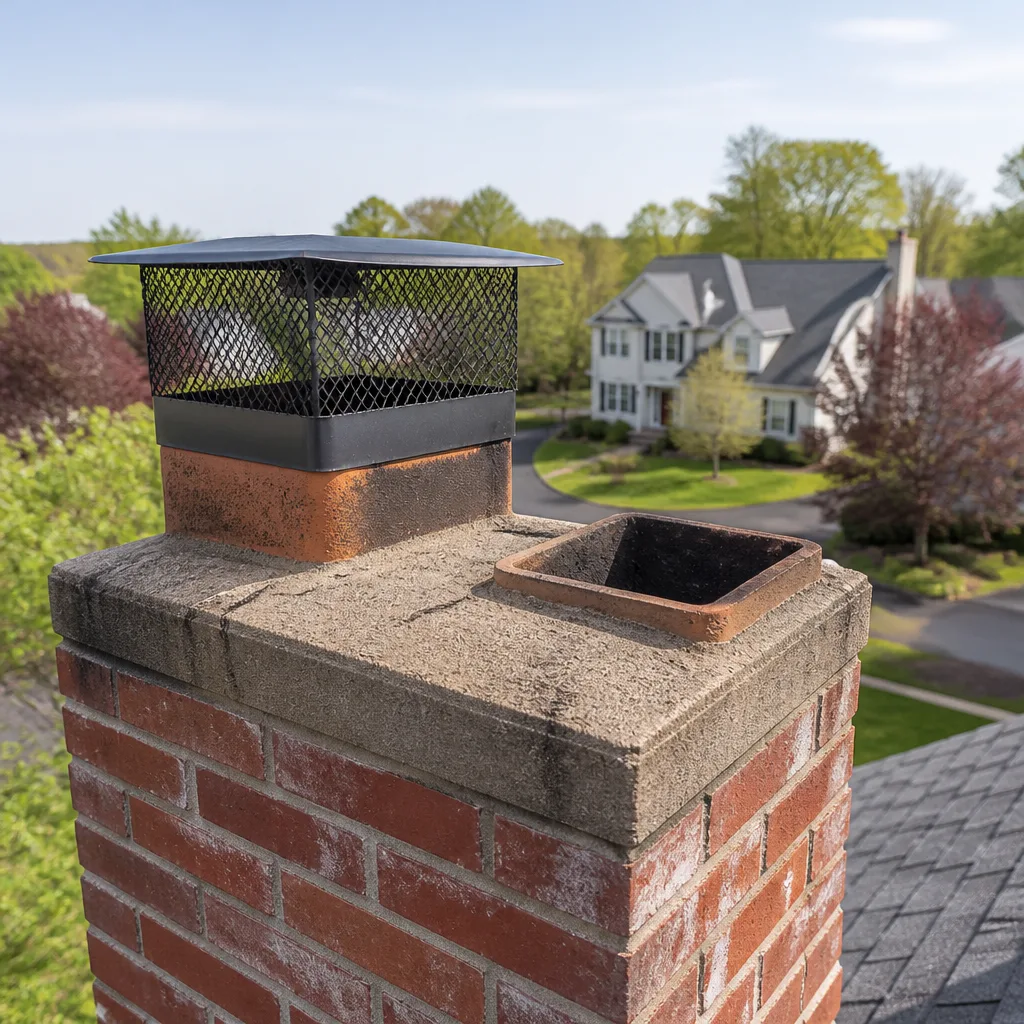 Sweep & inspection
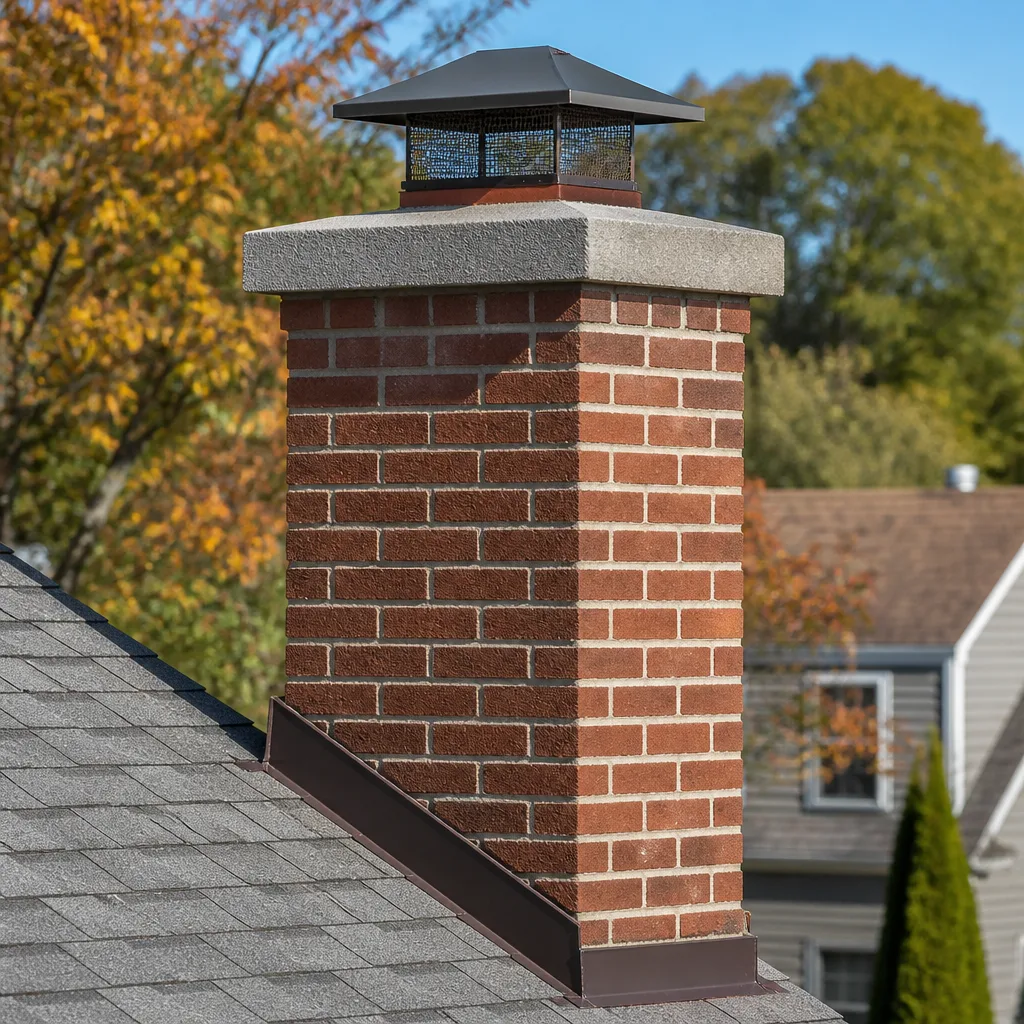 Caps & crowns
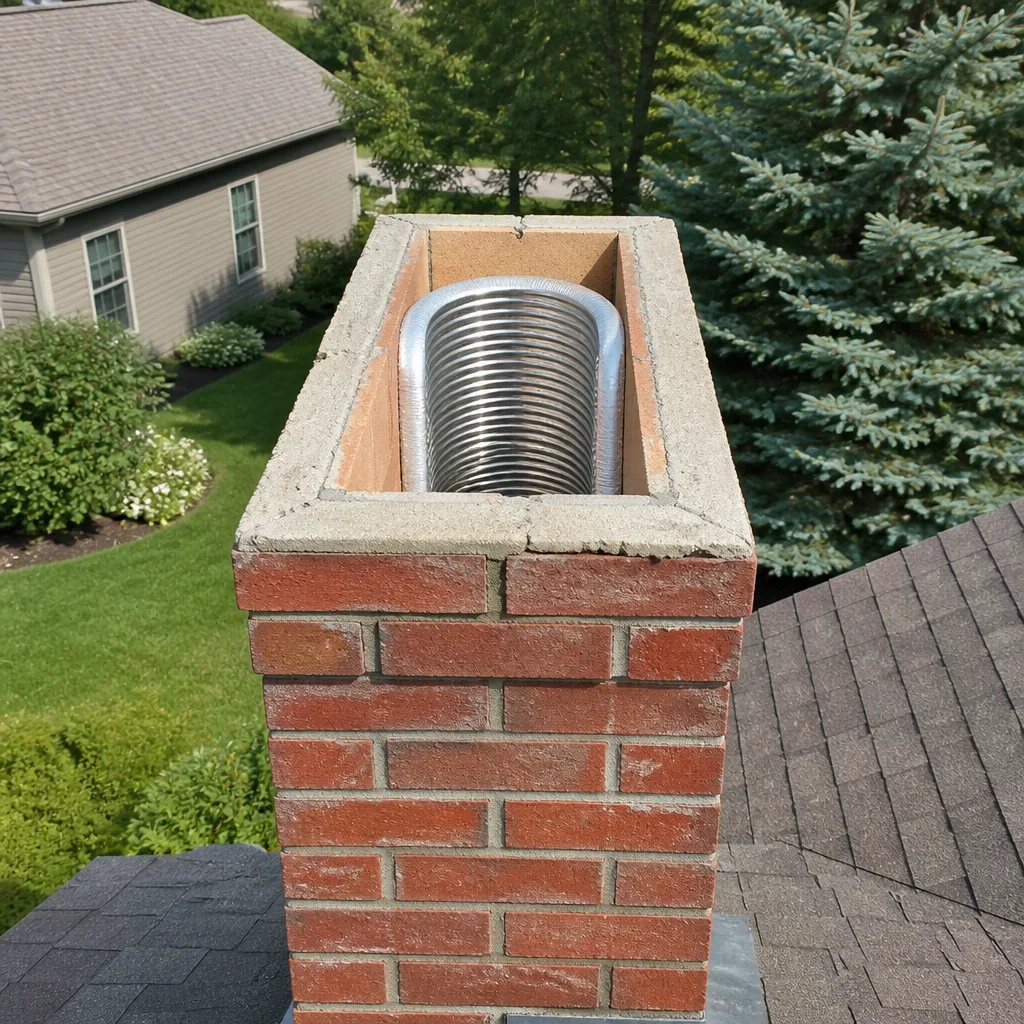 Flue relining
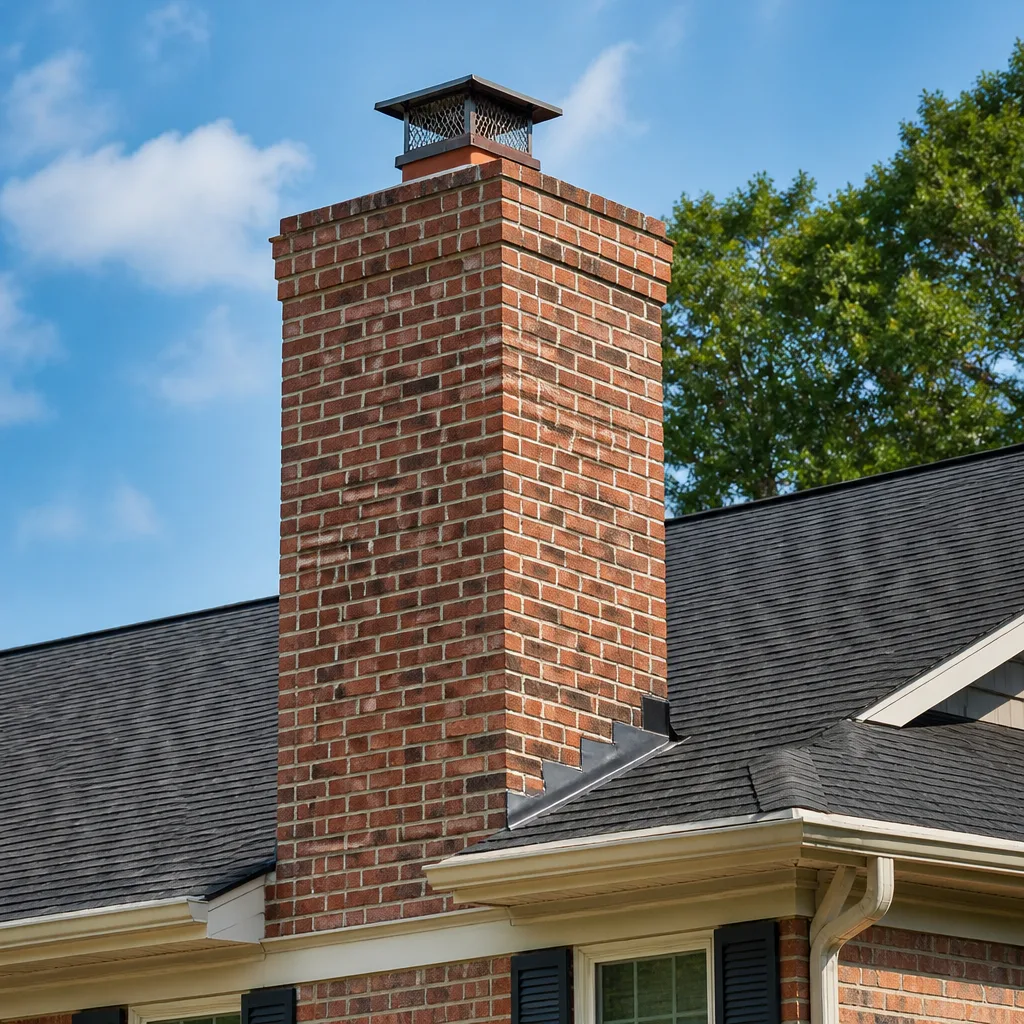 Masonry repair
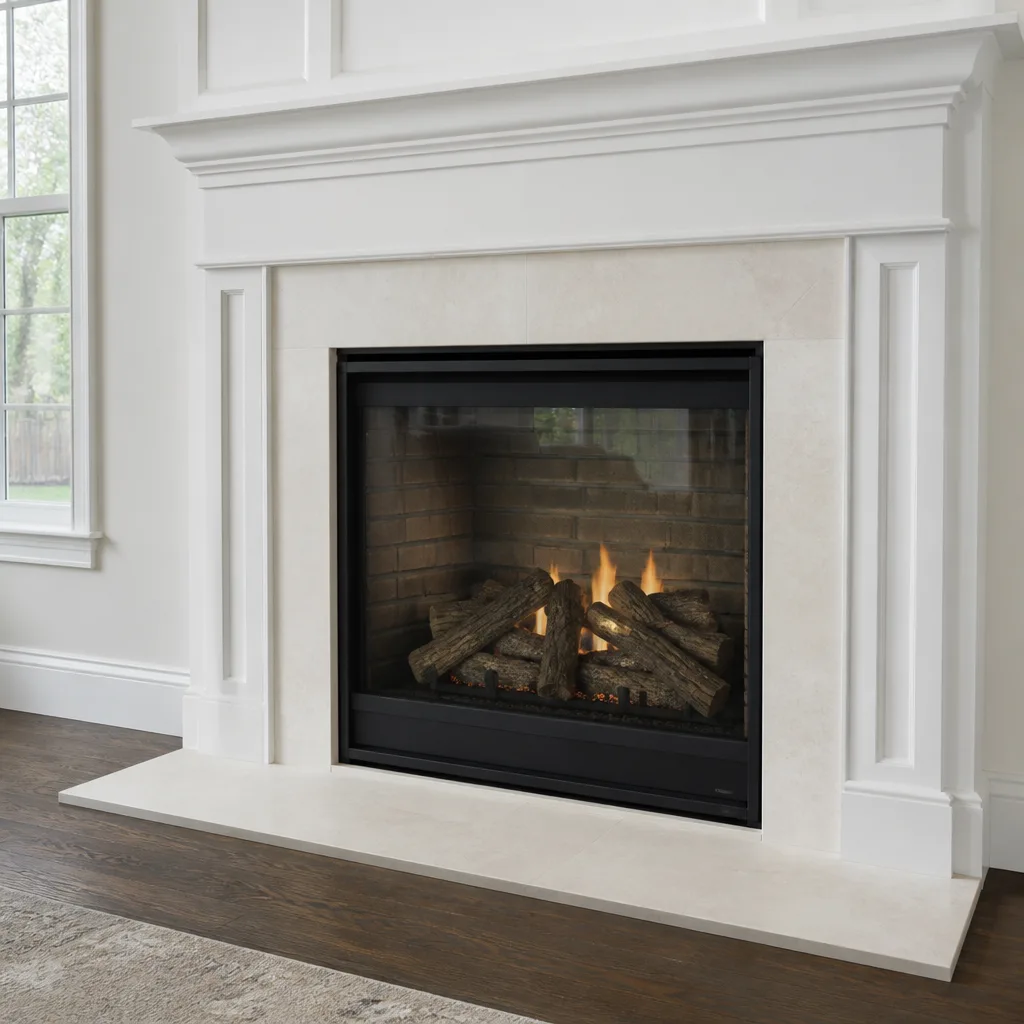 Gas fireplace service
Level 1 sweep and inspection to the NFPA 211 annual standard - flue, crown, cap, and flashing checked and photographed
Chimney sweep logs do not sweep chimneys. They loosen some creosote - which then falls where a brush and vacuum still have to collect it.
The Complete Guide to Chimney Cleaning in Waco
Most chimney fires don’t start because homeowners skipped cleaning. They start because the cleaning was done without accounting for the specific fuel type and flue liner condition present. In Waco, where wood-burning inserts and gas log conversions share the same neighborhoods, that distinction matters more than the cleaning itself. A brush run down a flue tells you almost nothing about whether clay tile has spalled, whether a converted gas fireplace still has the right liner for the job, or whether masonry has shifted on the clay-heavy soil this region sits on. This guide maps the full cleaning process to Central Texas conditions so you know exactly what you’re paying for and why. We’ll cover burn seasons, inspection levels, equipment, and the mistakes that turn a routine sweep into a repair bill.
Quick Answer
Chimney cleaning in Waco is a professional sweep plus a visual inspection that removes creosote, soot, and blockages from the flue and firebox, then documents the liner and masonry condition before anything gets recommended. A proper cleaning accounts for what you burn (wood versus gas logs) and how the firebox was built, not just how much buildup is visible. Most Waco homes with a wood-burning fireplace need a sweep once a year or after roughly a cord of wood, and a Level 2 inspection whenever the home changes hands or the system has been altered.
Styles & brands we work with
- Sweep & inspection
- Caps & crowns
- Flue relining
- Masonry repair
- Gas fireplace service
Table of Contents
- Why Chimney Cleaning in Waco Isn’t a Generic Task
- How Central Texas Burn Seasons Change Creosote Accumulation
- Clay Soil, Foundation Movement, and Masonry Stress in Waco
- Level 1 vs. Level 2 Inspections: Which One Do You Need?
- Gas Log Conversions and What a Sweep Is Actually Looking For
- Professional Equipment vs. Hardware-Store Tools
- What a Professional Chimney Cleaning Looks Like, Step by Step
- What Chimney Cleaning Costs in Waco
Why Chimney Cleaning in Waco Isn’t a Generic Task
A chimney cleaning routine written for a New England colonial doesn’t fit a Waco ranch house, and the difference isn’t cosmetic. The fuel is different, the burn calendar is shorter and more concentrated, and the masonry sits on expansive clay that moves with the water table. Treating those three factors as background noise is how a “cleaned” chimney still ends up with glazed creosote in the flue by January.
Waco sits in a band of Central Texas where heating degree days are low compared to the north, so fireplaces get used in bursts rather than steadily across a long winter. That pattern produces a different creosote profile than slow, constant burning does. And the housing stock reflects decades of change: older Craftsman and ranch-style homes in neighborhoods like Brookview and the blocks around Cameron Park often started with wood fireplaces and later got gas log sets dropped in, sometimes without the liner being updated for the change. A sweep who doesn’t know to check for that is cleaning the wrong system.
We work with professional-grade product lines because the materials matter as much as the technique. HeatShield for flue resurfacing, DuraFlex for relining, and Gelco, Olympia Chimney, and Famco for caps and venting components all exist because clay tile and generic parts don’t always survive the conditions this region throws at them. When a cleaning turns up damage, having the right repair material on hand is the difference between a fix and a patch. If you want the broader picture of how we approach the trade, start with Chimney Sweep Waco.
How Central Texas Burn Seasons Change Creosote Accumulation
Creosote builds differently in Waco than it does up north, and the reason comes down to concentration. Northern climates burn steadily from October into April, which spreads creosote formation across a long season. Central Texas burns are shorter and sharper, often between November and February, and when the first real cold snap hits people load the firebox heavily and run it hot and fast. That concentrated use pattern produces faster accumulation of the darker, stickier creosote stages in a compressed window.
There’s a second factor: the shoulder-season fires. A cool morning in early November followed by a warm afternoon means a fire gets lit, then damped down or left to smolder when the house heats up. Smoldering is the single biggest driver of creosote buildup. It sends cooler, incomplete smoke up the flue where it condenses on the liner walls. Three or four smoldering fires a week during a mild Central Texas December can lay down more creosote than steady burning would over the same period.
What that means for a cleaning schedule in Waco:
- Sweep once a year if you burn regularly through the season, or after roughly a cord of wood, whichever comes first.
- Short, hot fires burn cleaner than long, damped-down ones. If you habitually bank the fire overnight, plan on inspecting more often.
- Seasoned wood matters more here, not less. Wet wood plus a short season is a creosote recipe.
- A mid-season look at the flue isn’t overkill if you’re burning heavily in a compact window and running a converted or older insert.
In our experience, the homes that surprise people are the ones used hardest for the shortest time. A fireplace that sits cold ten months a year and then runs daily for six weeks is a creosote factory. Build the sweep into the calendar before the season opens, not after it closes.
Clay Soil, Foundation Movement, and Masonry Stress in Waco
Waco’s clay-heavy soil expands when it’s wet and shrinks when it dries, and that movement doesn’t stop at the foundation slab. It transmits up through the structure, and masonry chimneys feel it first because they’re rigid, heavy, and tied to the house at a single point. Over time that movement shows up as hairline cracks at the smoke chamber, stepped cracks in the exterior brick, separation at the crown, or a flue tile that’s shifted out of alignment.
None of these are always visible from the living room. Some are only caught during a cleaning or an inspection when the technician can see the full flue and the crown. That’s why a cleaning that skips the inspection is only half a job in this region. The buildup gets removed, but the structural picture that soil movement has been quietly writing for years goes unchecked.
What we look for when clay soil has been working on a Waco chimney:
- Cracks in the flue tile joints or in the tile itself, which can let heat and gases reach the surrounding masonry.
- A crown that’s pulled away from the flue, which lets water in and accelerates damage.
- Stepped or diagonal cracks in the exterior brick, a sign of differential foundation movement.
- A firebox that’s separated from the surrounding masonry.
- Spalling brick or mortar that’s gone soft, often where water has been getting in.
When the diagnosis is a damaged flue but the chimney structure is sound, resurfacing with HeatShield can restore the liner without a full rebuild. That’s a repair most sweep-only companies won’t offer, and it’s the kind of fix that extends the life of a Waco chimney that’s been stressed by soil movement rather than neglect.
Level 1 vs. Level 2 Inspections: Which One Do You Need?
Chimney inspections come in levels, and the level you need depends on what’s changed since the last one, not on how long it’s been. A Level 1 inspection is a visual check of the readily accessible parts of the system, done as part of a routine cleaning when the system hasn’t been altered. A Level 2 inspection goes further, using video to look at the entire flue and any concealed areas, and it’s what you need when the system has changed, when a property changes hands, or when there’s been a chimney fire or an event that could have caused damage.
For Waco homeowners, the Level 2 triggers are more common than people expect. Here’s how to know which one applies:
- Annual cleaning with no changes: a Level 1 inspection is usually enough. You know the system, nothing has been modified, and the visual check confirms the liner and firebox are intact.
- New home purchase: a Level 2 inspection. You don’t have a history with the chimney, and the previous owner’s records may not exist. This is the inspection most insurers and lenders want documented.
- Gas log or insert conversion: a Level 2 inspection. Changing the fuel source changes what the liner needs to handle, and the conversion may not have addressed the flue.
- After a chimney fire, even a small one: a Level 2 inspection. A fire can crack tiles or damage the flue in ways you can’t see from the firebox.
- After an earthquake, major storm, or foundation work: a Level 2 inspection. The chimney has been stressed, and the flue needs to be seen in full.
The point of the level system is to match the inspection to the risk. A Level 2 isn’t a sales pitch for more work; it’s what the situation actually calls for when the system’s history is unknown or has changed. Our inspection service is built to produce the documentation insurance companies and real estate transactions need, not just a visual glance. When you’re ready to schedule, this is where chimney sweep service starts.
Gas Log Conversions and What a Sweep Is Actually Looking For
A gas log set in a firebox that was built for wood is one of the most common configurations in older Waco homes, and it changes the cleaning job entirely. There’s no creosote in the wood-burning sense, so a generic sweep will find little to remove and declare the chimney “fine.” But gas logs produce their own byproducts, and the bigger concern is whether the original wood-burning flue is still the right size and material for what’s now in the firebox.
Here’s what a sweep should be checking when gas logs are present:
- Vent status. Vented gas logs need a working flue; vent-free sets don’t, and mixing the two up is a carbon monoxide risk. Confirm which type is installed.
- Liner compatibility. The original clay tile liner may have been sized for wood smoke, not for the moisture and byproducts of gas combustion. A liner that’s correct for wood may not be correct for a converted system.
- Damper position. Vented logs require the damper to be open or permanently fixed open. A damper that can accidentally close on a running gas log set is a hazard.
- Blockage. Birds, squirrels, and debris build up in a flue that’s been idle between conversions. A wood flue that’s no longer used for wood still needs to be clear.
- Carbon monoxide detection. Any gas appliance in the home should have a working CO alarm nearby. That’s not a chimney-specific rule, but it’s the safety backstop.
Gas combustion carries real risk, and we treat it that way. If you’re unsure whether your log set is vented or vent-free, or whether the damper is set correctly, that’s a question for a professional, not a guess. The cleaning visit is the right time to sort it out and document what’s there.
Professional Equipment vs. Hardware-Store Tools
The difference between a professional sweep and a homeowner with a brush kit isn’t effort, it’s what the tools can actually do. A hardware-store brush is sized for one flue diameter and one material, and it pushes soot around as often as it removes it. Professional equipment is matched to the flue, contained so the cleaning doesn’t end up on your furniture, and paired with the inspection tools that reveal what’s actually happening in the system.
What professional-grade equipment brings to a Waco cleaning:
- Matched brush sets. Copperfield brushes come in the right diameters and materials for clay tile, stainless, and factory-built liners. The wrong brush can scratch a stainless liner or miss the corners of a square tile flue.
- HEPA vacuum containment. A sealed vacuum keeps soot and fine ash out of the living space. That matters in any home, but especially in older Waco houses where the firebox and hearth are often open to the room.
- Video inspection cameras. A camera run through the flue shows the liner condition top to bottom, which is what a Level 2 inspection requires and what tells you whether a cleaning is enough or a repair is needed.
- Correct cap and component parts. Gelco, Olympia Chimney, and Famco make caps and venting components that fit the system rather than approximate it. A cap that doesn’t seal lets water in, and water does more long-term damage to a Waco chimney than fire does.
- Resurfacing and relining materials. When the brush comes out and the flue is damaged, HeatShield resurfacing or a DuraFlex liner is the repair-grade material. Most sweep-only services don’t carry either.
You’re paying for the materials and the knowledge of how they work together, not just for someone to run a brush. If a quote is dramatically lower than others, ask what equipment and materials are actually being used. That question usually explains the gap.
What a Professional Chimney Cleaning Looks Like, Step by Step
Here’s how a thorough cleaning goes, start to finish, so you know what to expect:
- Setup and protection. Drop cloths go down around the hearth, and the vacuum is set up to capture dust at the firebox. The work zone stays contained.
- Firebox and smoke chamber cleaning. Soot and ash are removed from the firebox and the smoke chamber above it, which is where creosote tends to accumulate out of sight.
- Flue sweeping. The matched brush is run through the full length of the flue, top to bottom, with the vacuum running throughout. Creosote, soot, and any blockages come out.
- Damper and cap check. The damper is checked for operation and fit. The cap is inspected for damage or missing components, since a compromised cap is the most common entry point for water and animals.
- Inspection. The technician inspects the flue, liner, firebox, and crown, using a camera where the level of inspection calls for it. Findings get documented with photos.
- Report and recommendations. You get a clear explanation of what was found, what’s fine, what needs attention, and what can safely wait. Nothing gets recommended without evidence you can see.
That last step is where most of the trust in this trade is won or lost. If someone tells you the liner needs replacing, you should be able to see the photos and understand why. If a repair can wait a season, we’ll tell you that too. That’s the whole idea behind chimney repair done right: the recommendation follows the evidence, not the other way around.
What Chimney Cleaning Costs in Waco
A standard chimney cleaning in Waco typically runs in the range you’d expect for a professional sweep with inspection included, and the price depends on the job: how accessible the flue is, whether the system is wood-burning or converted, and whether a Level 2 inspection is part of the visit. We set the final price with a written estimate before any work starts, so there are no surprises. Here’s how the typical ranges break down by service:
| Service | Typical Estimate Range | What It Covers |
|---|---|---|
| Chimney sweep (Level 1) | Standard sweep range | Firebox, smoke chamber, and flue cleaning plus a visual inspection |
| Level 2 inspection | Higher than a Level 1 | Full video inspection of the flue and concealed areas, with documentation |
| Chimney cap installation | Component and labor range | Cap supply and installation from a matched product line |
| Flue resurfacing (HeatShield) | Repair-grade range | Resurfacing of a damaged flue without full relining |
| Liner installation (DuraFlex) | Full reline range | New stainless liner for chimneys that need one |
Every estimate is free, and the written estimate sets the final price. We don’t quote a number over the phone for a job we haven’t seen, because the fuel type and liner condition change the work. Call (866) 370-3896 for an exact quote. We answer 24/7, and fast dispatch runs from 7am to 7pm, Sunday through Friday.
Common Mistakes to Avoid
- Cleaning without inspecting. A brush run through the flue removes creosote but tells you nothing about liner condition. In a region where clay soil moves masonry, the inspection is as important as the cleaning. Skip it and you won’t know about damage until it’s expensive.
- Assuming a gas conversion cleaned up the chimney. Gas logs in an older Waco firebox often leave the original wood-burning flue in place, undersized or incompatible. The cleaning visit should confirm the liner is right for what’s actually being burned.
- Burning wet or unseasoned wood to stretch the season. In a short Central Texas burn season, wet wood plus damped-down fires lays down creosote fast. Seasoned wood and hot fires cost less in the long run than a mid-winter sweep.
- Ignoring the cap because the firebox looks fine. A missing or damaged cap lets water and animals into the flue, and water damages a Waco chimney more reliably than fire does. It’s the cheapest thing on the list to fix and the most often overlooked.
- Hiring on price alone. A quote far below the others usually means a missing inspection, generic hardware-store brushes, or no resurfacing capability when a repair gets found. Ask what equipment and materials are used before you book.
- Putting off a Level 2 after a change. A new home, a conversion, or a small chimney fire is exactly when a video inspection pays for itself. Waiting a season can turn a repairable flue into a reline.
- Treating a cleaning as a one-time event. Chimney maintenance in Waco is annual for regular burners. A single cleaning documents the system; it doesn’t maintain it. Build the sweep into the calendar before the season, not after.
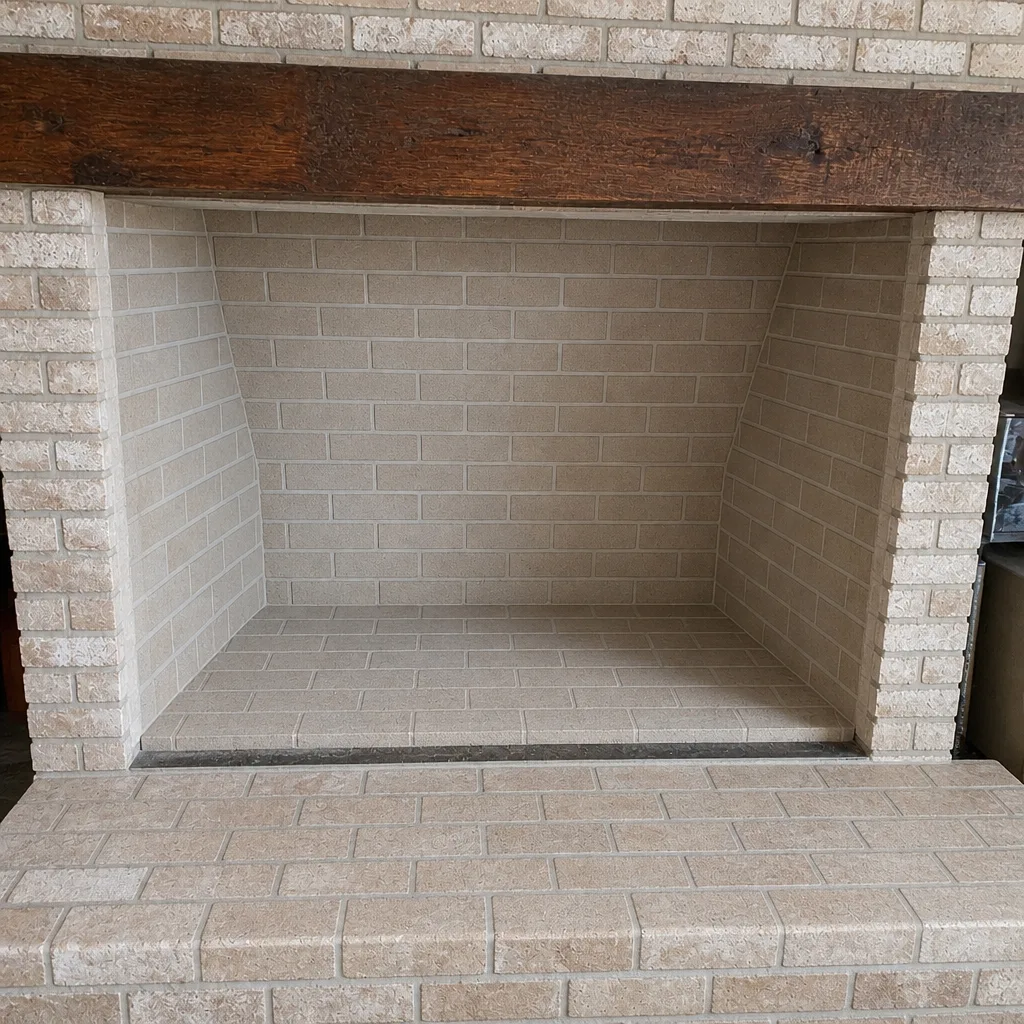
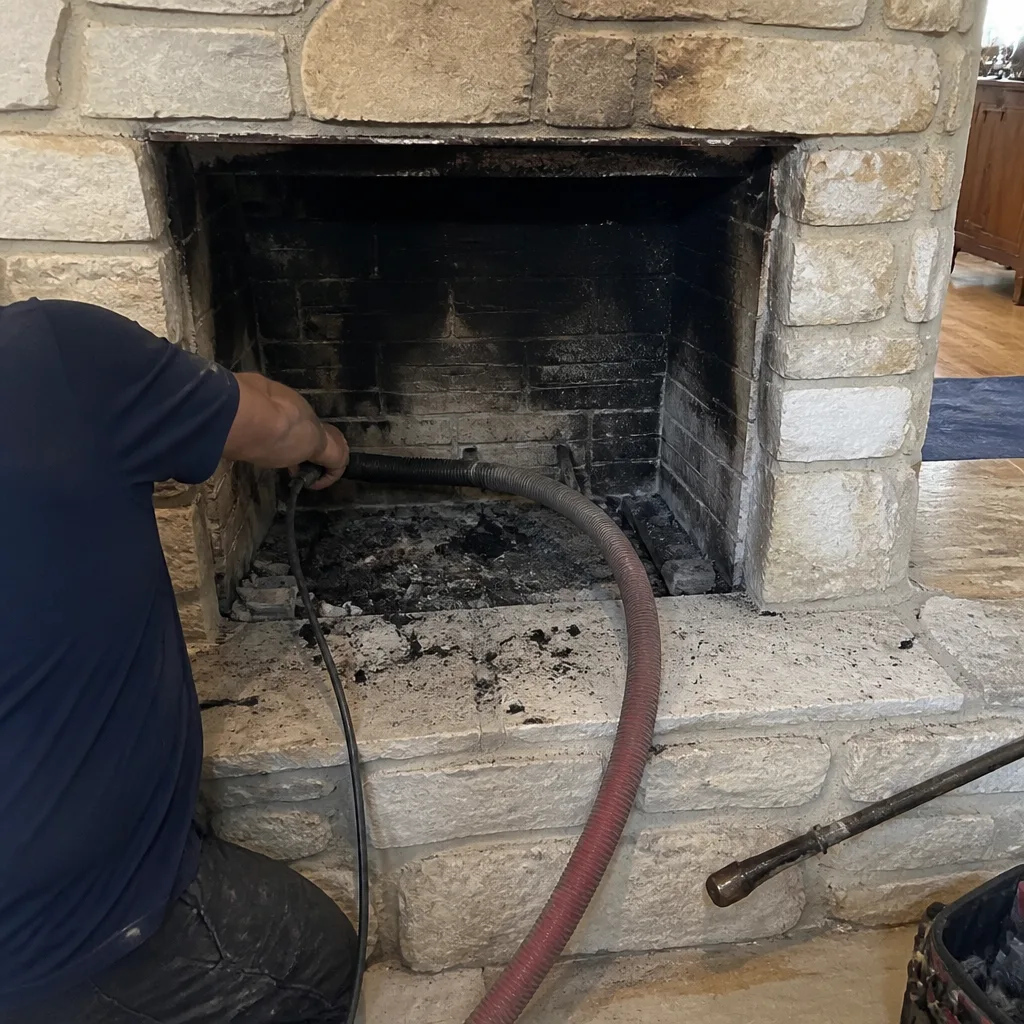
See the difference
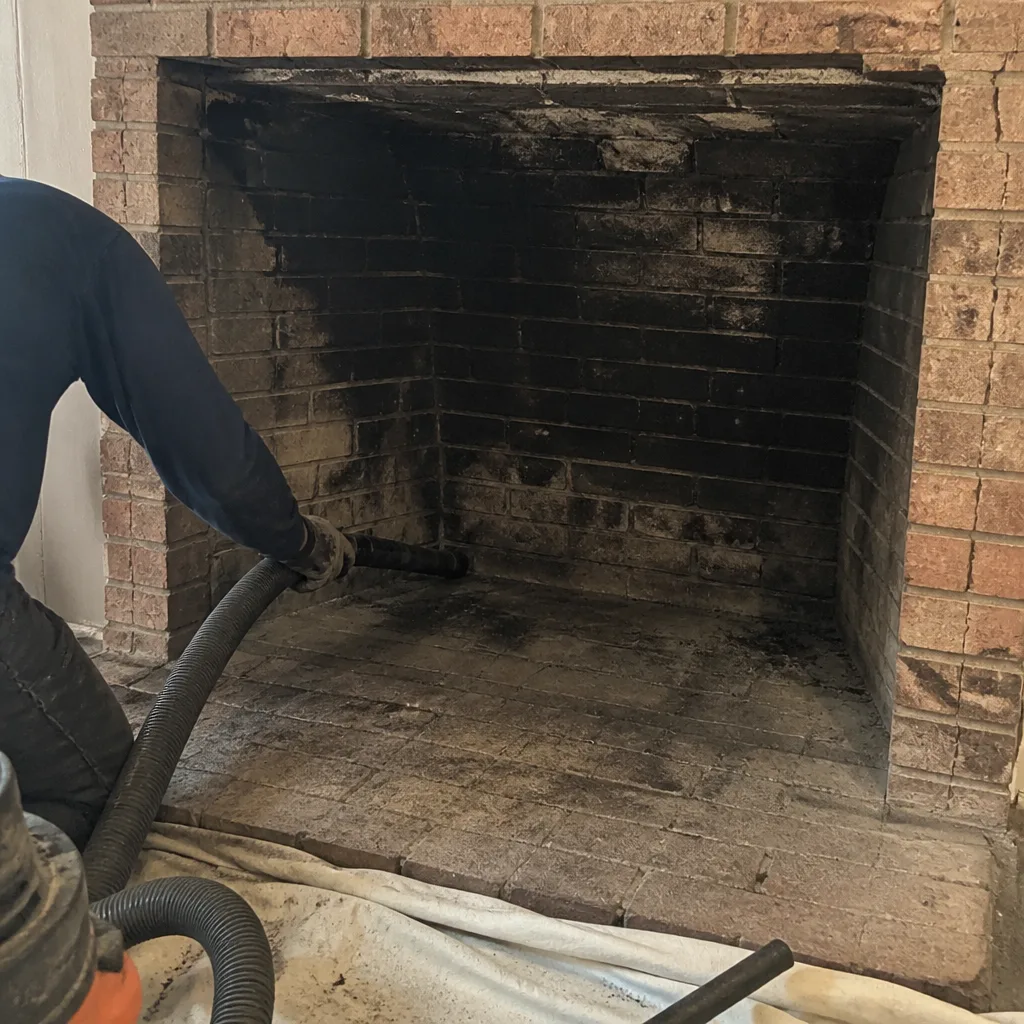 Before
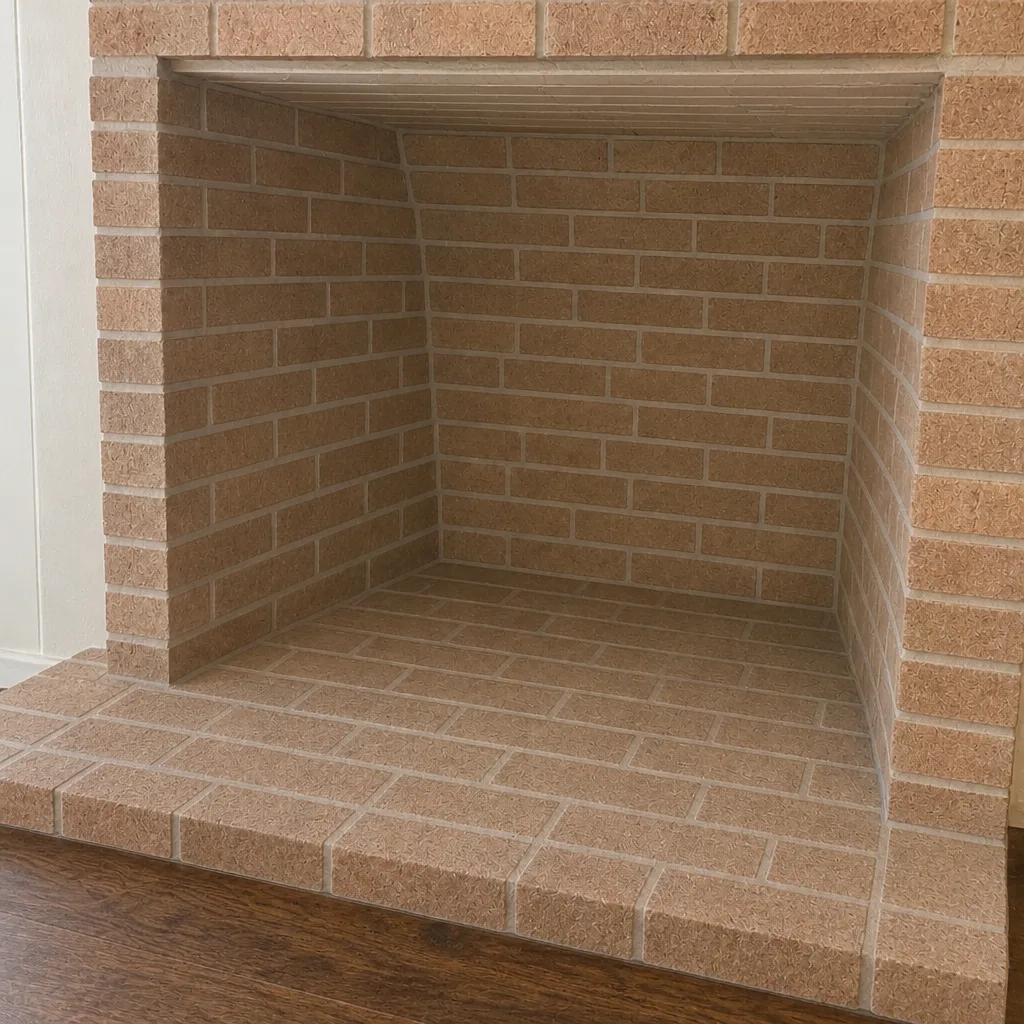 After
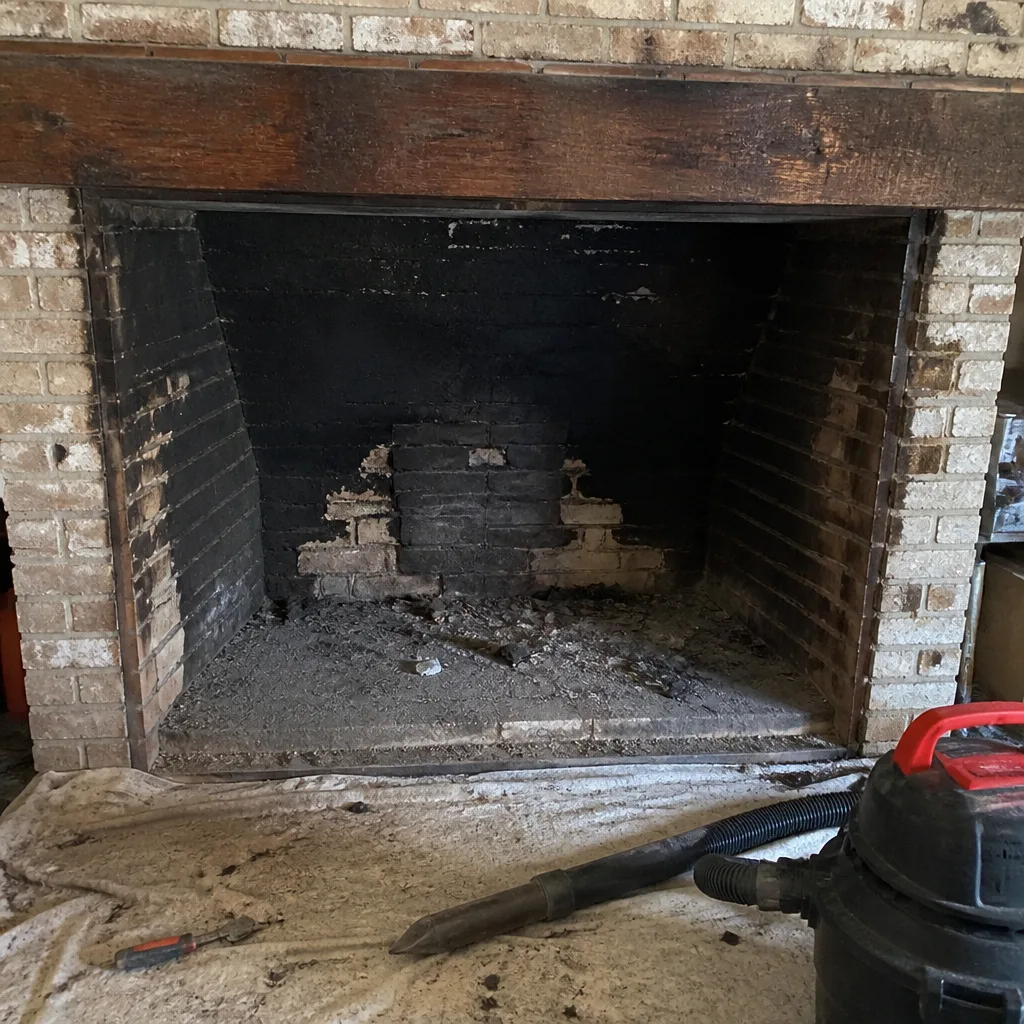 Before
 After
 Before
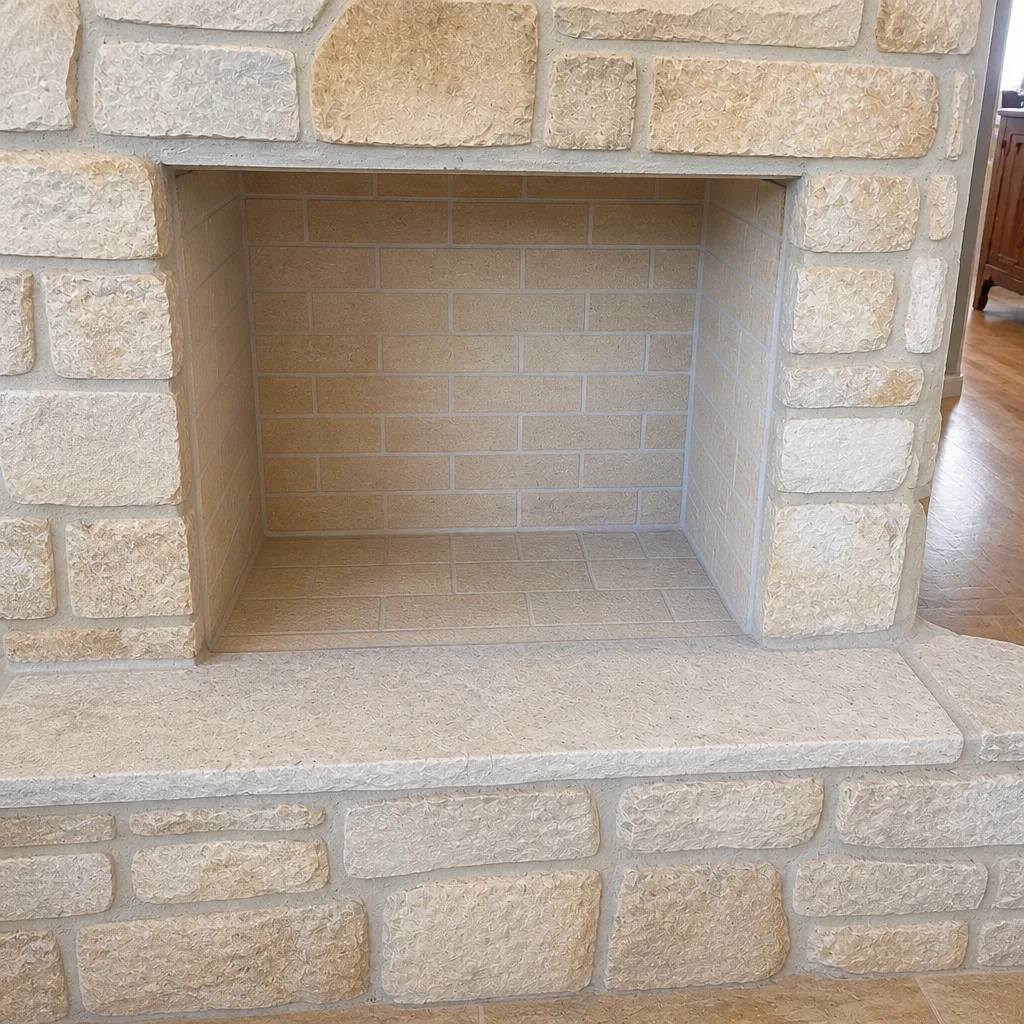 After
When to Call a Professional
Call a professional when you’re due for the annual sweep, when you’ve moved into a home and don’t have records for the chimney, or when anything about the system has changed: a gas log conversion, a new insert, a chimney fire (even a small one), or foundation work that could have stressed the masonry. Call when you see cracked or separated brick, a crown that’s pulled away, or water staining around the firebox. Call if a fire smokes into the room, if you smell creosote, or if you hear animals in the flue. And call before the burn season starts, not in the middle of it, so the sweep and any repair are done ahead of heavy use. Chimney Sweep Waco offers free estimates in Waco. Call (866) 370-3896. We answer 24/7. Fast dispatch from 7am to 7pm, Sunday through Friday.
Frequently Asked Questions
A standard chimney sweep in Waco is priced per job, with the estimate set before work begins based on the flue’s accessibility, the fuel type, and whether a Level 2 inspection is included. There’s no flat national rate that applies, because a straightforward wood-burning flue and a converted gas system are different jobs. The written estimate is the final price. Call (866) 370-3896 for an exact quote. Estimates are free.
Once a year for regular wood burners, or after roughly a cord of wood, whichever comes first. Central Texas seasons are shorter but more concentrated, and damped-down fires in mild weather build creosote faster than steady burning does. If you burn heavily in a six-week window, a mid-season look isn’t overkill. Call (866) 370-3896 to schedule the sweep before the season opens.
Only if the evidence shows the current liner is damaged or incompatible with what you’re burning. A gas conversion in a home that originally had a wood fireplace is the most common reason a liner turns out to be wrong for the job. Nothing gets recommended without camera inspection and photos you can see for yourself, and if the liner has useful life left, we’ll say so. Call (866) 370-3896 for an inspection and a free estimate.
Creosote builds up in the flue and the smoke chamber, and at a certain stage it can ignite, which is a chimney fire. Even without a fire, buildup restricts the flue, causes smoke to back into the room, and hides liner damage you can’t see. The risk is real but it’s not urgent in a panic sense: you can book the sweep on a normal schedule and stop the buildup from getting worse. Call (866) 370-3896 to get on the calendar.
A Level 1 is a visual check of the accessible parts, done with a routine cleaning when nothing has changed. A Level 2 uses video to inspect the full flue and concealed areas, and it’s what you need for a home purchase, a fuel conversion, after a chimney fire, or after foundation work that could have stressed the masonry. Most Waco homeowners need a Level 2 more often than they realize. Call (866) 370-3896 to confirm which level your situation calls for.
Yes, but the cleaning is different. Gas logs don’t produce creosote in the wood-burning sense, so the job is checking the vent status, liner compatibility, damper position, and any blockages in the flue, not brushing out soot. A vent-free set in a firebox built for a flue is a carbon monoxide consideration, so it’s worth confirming which type you have. Call (866) 370-3896 for a cleaning that accounts for the conversion.
The Bottom Line
Chimney cleaning in Waco is a system-specific job, not a generic one. The short, concentrated burn season drives creosote faster than people expect. The clay soil stresses masonry in ways a visual glance won’t catch. Gas log conversions leave many older fireboxes with a liner that wasn’t chosen for what’s now burning inside them. A proper cleaning removes the buildup and inspects the system so you know its real condition, backed by photos you can see. Sweep annually, inspect at every change, and don’t let a cheap quote skip the part that matters. When you’re ready, we handle sweep, repair, and inspection with the professional-grade materials the trade relies on. Call (866) 370-3896 for a free estimate. We answer 24/7, and fast dispatch runs from 7am to 7pm, Sunday through Friday. You can also read more about our service across Waco.
Written by the team at Chimney Sweep Waco.