
Last updated November 15, 2026
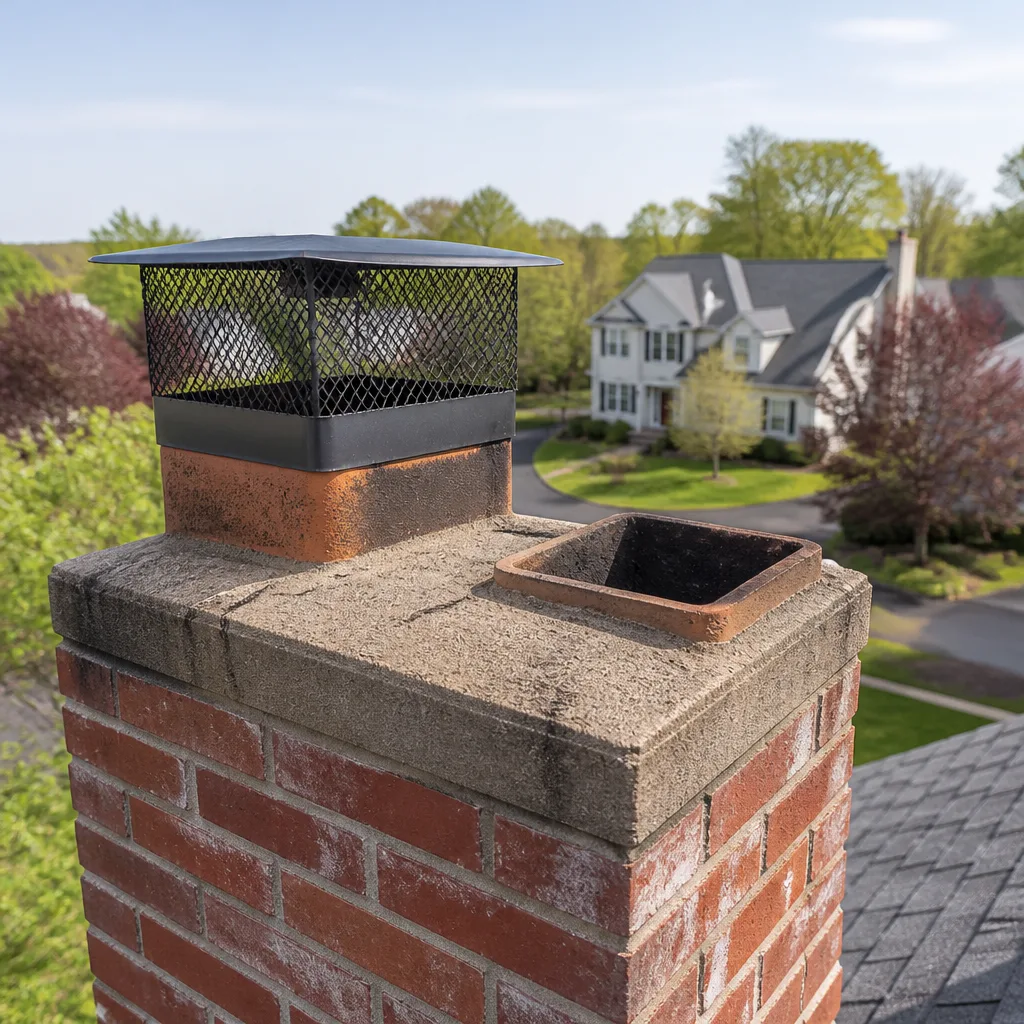 Sweep & inspection
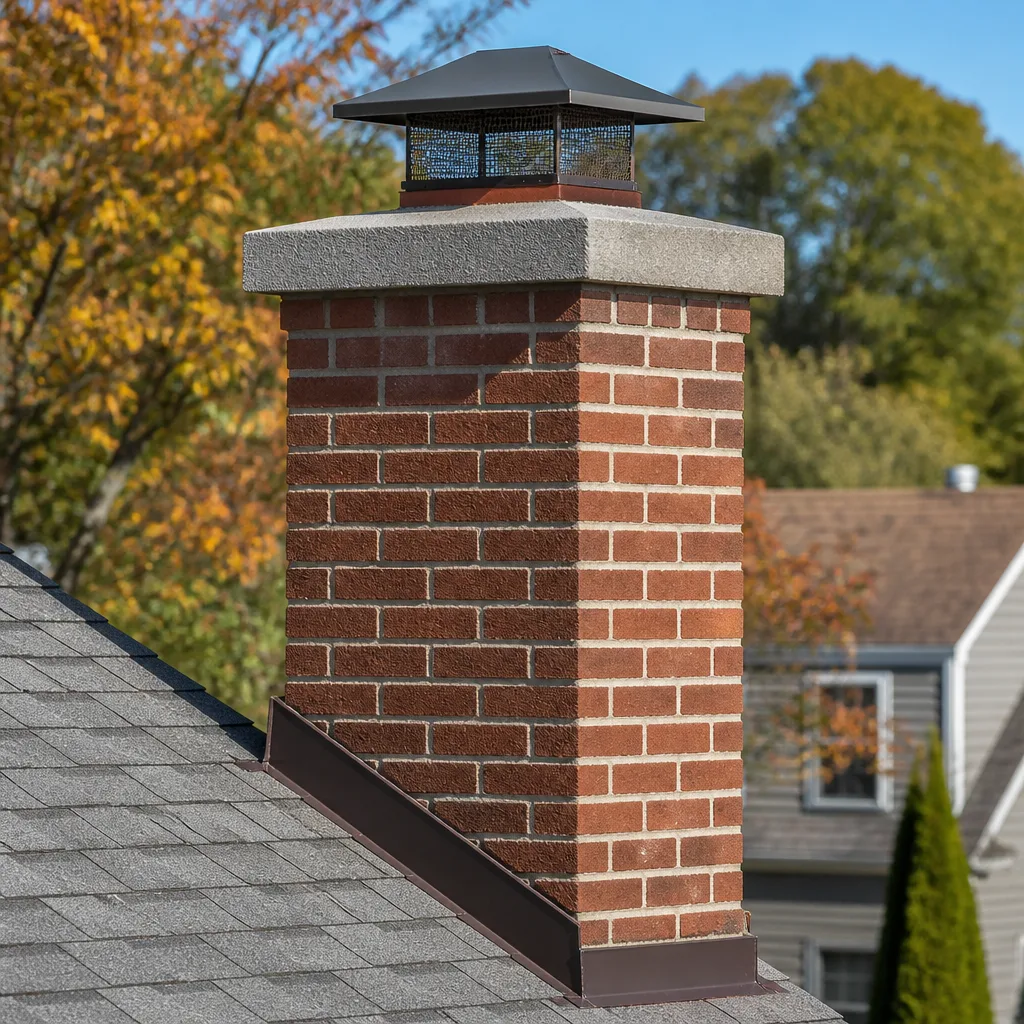 Caps & crowns
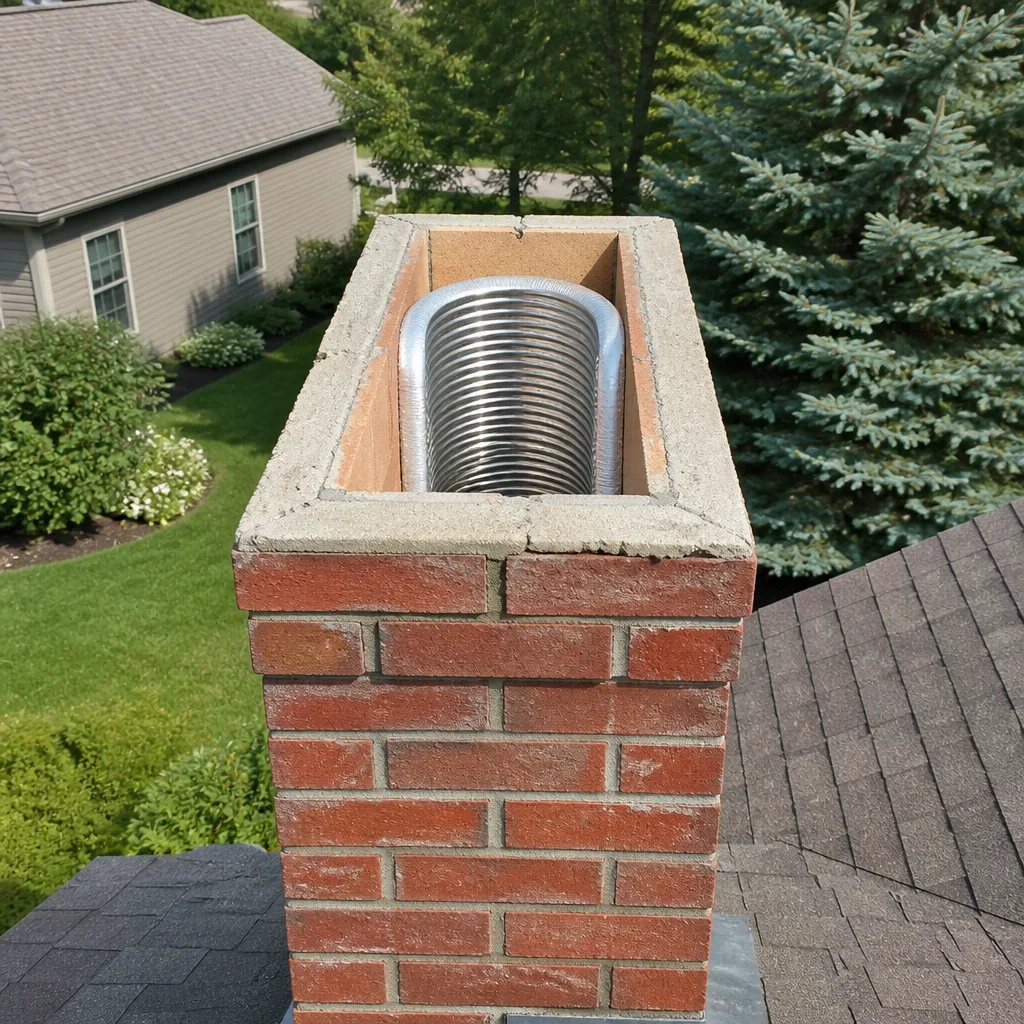 Flue relining
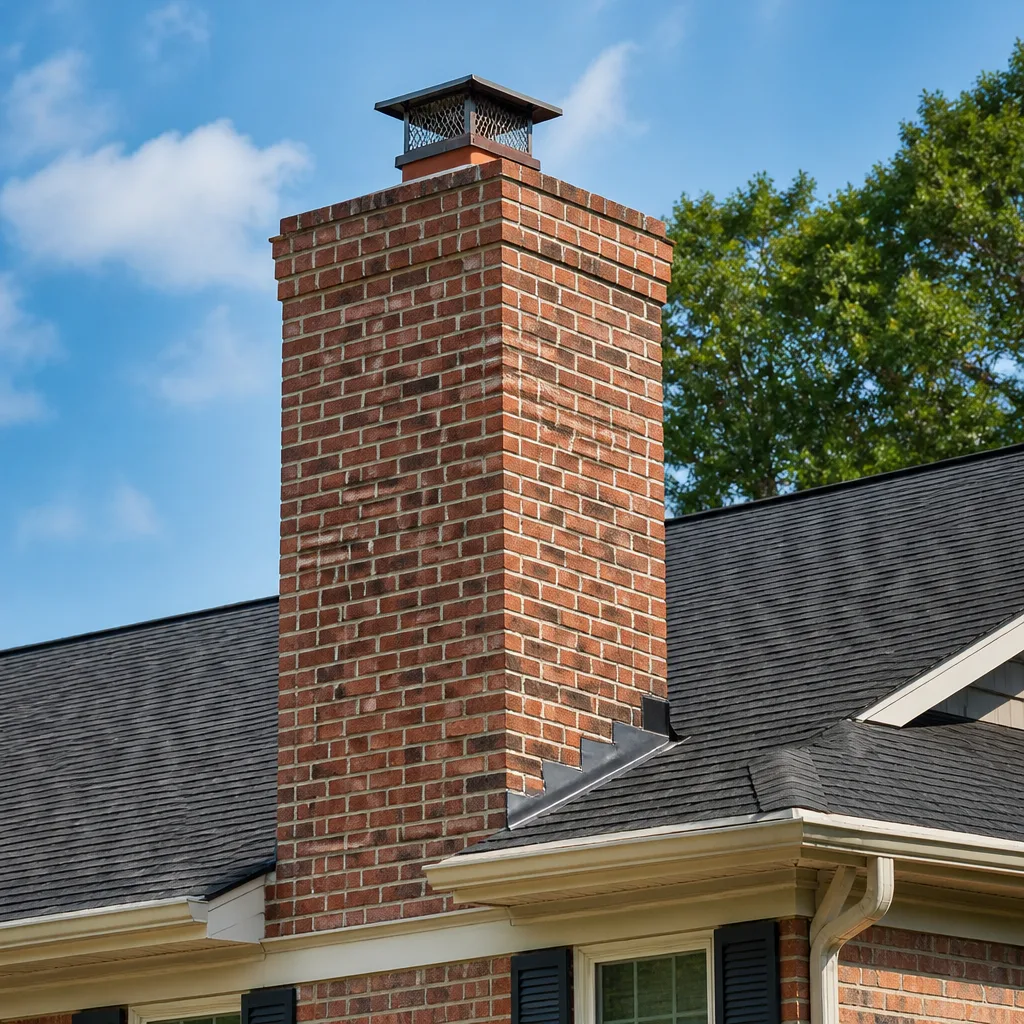 Masonry repair
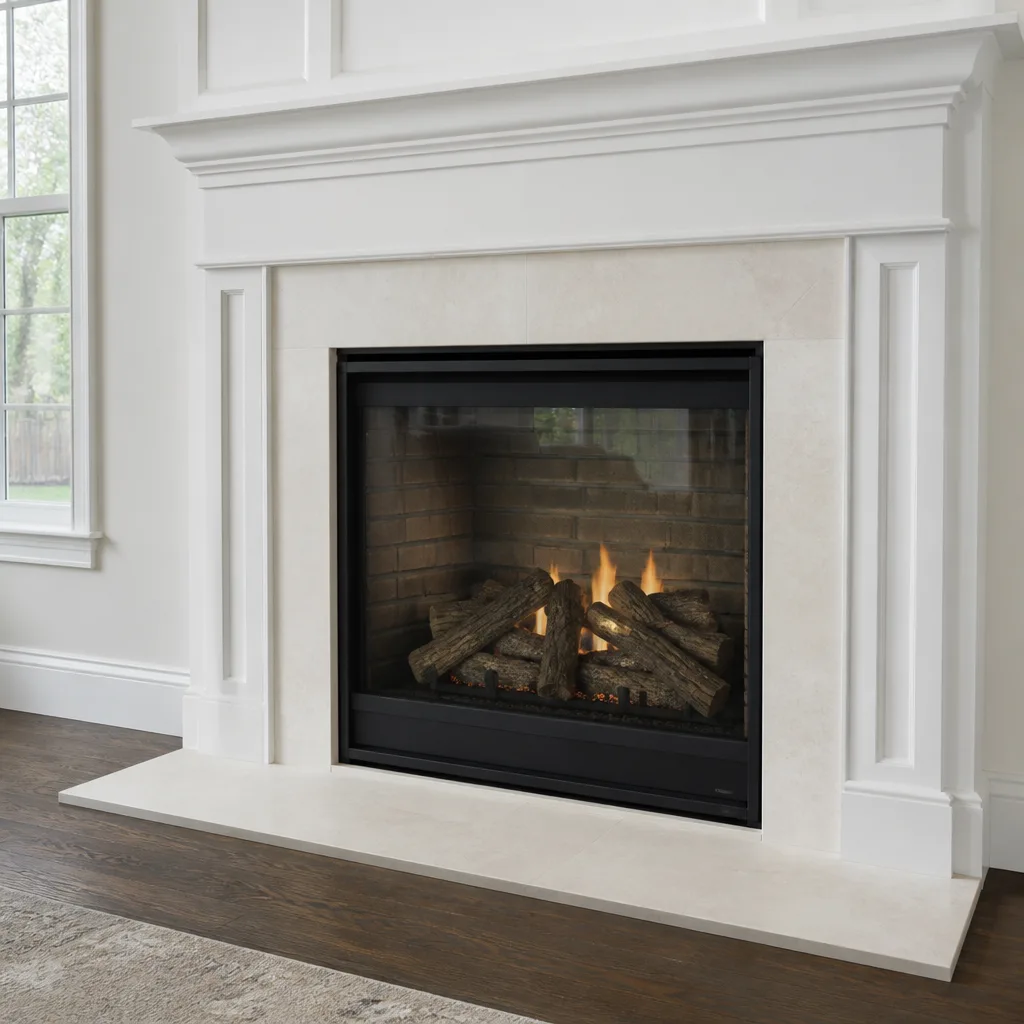 Gas fireplace service
Level 1 sweep and inspection to the NFPA 211 annual standard - flue, crown, cap, and flashing checked and photographed
Chimney sweep logs do not sweep chimneys. They loosen some creosote - which then falls where a brush and vacuum still have to collect it.
Choosing the Right Chimney Cleaning Brand: A Buyer’s Guide for Waco
Most homeowners never ask what materials a chimney sweep uses, and most sweeps never volunteer it. That silence hides a real gap. There’s a meaningful difference between a contractor who arrives with professional-grade components on hand and one who diagnoses the job first and then orders whatever a hardware distributor has in stock. The difference shows up years later, when a liner holds up or a repair starts to fail. In a Waco market where wood-burning fireplaces are common and older homes still carry original clay tile liners, knowing which brands a contractor trusts tells you a lot about how they work before you spend a dollar. This guide explains what the main product lines are, what they solve, and the exact questions to ask so you can judge any contractor on facts instead of sales talk.
Quick Answer
The right chimney cleaning brand in Waco is not a single product but a set of professional-grade lines – DuraFlex stainless liners, HeatShield flue resurfacing, Gelco and Olympia Chimney components, Famco venting, Copperfield supply – sourced through trade channels rather than a big-box store. A contractor who carries these lines is signaling trade-level relationships and repair depth beyond basic brushing. Ask any sweep which product lines they work with and why; the answer tells you whether they’re a maintenance provider or a full chimney specialist.
Styles & brands we work with
- Sweep & inspection
- Caps & crowns
- Flue relining
- Masonry repair
- Gas fireplace service
Table of Contents
- Why Chimney Product Brands Matter More Than Homeowners Realize
- What DuraFlex, HeatShield, and Copperfield Actually Do
- How to Ask a Contractor Which Brands They Use (and Read the Answer)
- The Real Difference Between a Big-Box Liner and a Professional-Spec Liner
- Why HeatShield Resurfacing Matters for Older Waco Homes
- How Material Quality Changes Your Cleaning Schedule
- What Waco Chimneys Actually Face
- Why One Specialist Beats Coordinating Three
Why Chimney Product Brands Matter More Than Homeowners Realize
A chimney is a system, not a pipe. The flue, cap, crown, damper, and liner all work together, and the materials used in each piece determine how the whole system ages. A sweep who brushes your flue twice a year but sources generic replacement parts is doing maintenance, not trade work. A sweep who installs a DuraFlex liner rated for the temperatures a wood fire produces is doing something different.
Here’s the practical version. Consumer-grade chimney components sold through general retail channels are designed to a price. Professional-grade components are designed to a standard. The gap shows up in gauge thickness, alloy grade, temperature rating, and warranty terms. A stainless liner is not just “a stainless liner” – the alloy matters, the wall thickness matters, and the way it’s listed by a testing lab matters. When you hire someone to install a liner, those details are the difference between a twenty-year fix and a ten-year one.
In our experience serving Waco homes, the material question comes up late in the conversation. A homeowner calls about a draft, or a smell, or a sweep that keeps finding “something wrong.” The brand question should come up first – before the appointment, ideally during the phone call. Any contractor who works with trade-grade lines can answer it in one sentence.
- Professional-grade materials are sourced through chimney supply lines like Olympia Chimney or Copperfield, not through general hardware distribution.
- Trade-level installs require understanding how the product handles heat, how it’s listed, and what it’s designed to seal against.
- Consumer-grade substitutes may pass a visual check on install day and fail years earlier than the professional equivalent.
What DuraFlex, HeatShield, and Copperfield Actually Do
Each professional line solves a specific problem. Understanding what each one is for tells you which services a contractor is genuinely set up to perform.
DuraFlex is a stainless steel chimney liner system. It exists to reline a flue that can no longer safely contain combustion – cracked clay tiles, deteriorating mortar joints, or an unlined masonry chimney. DuraFlex systems come in different alloy grades and wall configurations depending on what the flue is venting and how hot it runs. Installing one is not a plug-in job; it involves sizing the flue, choosing the right alloy for the fuel type, insulating correctly, and terminating at the top and bottom per the listing.
HeatShield is a flue resurfacing system. It is a UL-listed repair method that applies a specialized compound to the interior of a damaged clay tile liner, restoring a smooth, sealed surface without tearing out the existing masonry. It is not a generic sealant. The listing matters because it means the product has been tested to a recognized chimney standard, which is what separates it from coatings that look similar in a bucket.
Copperfield is a trade supplier of chimney components – caps, dampers, crowns, and related parts. Working through a supply house like Copperfield or Olympia Chimney means the contractor isn’t improvising a fit from whatever is on the shelf. Gelco and Famco fall in the same category on the venting and cap side: they signal familiarity with the specific components that protect a chimney between service visits.
When a contractor works with these lines routinely, they’re not ordering a “chimney part” and hoping it fits. They’re selecting a DuraFlex liner for a specific flue, or a Gelco cap for a specific crown. That’s the practical difference between trade-level work and a general handyman making a special trip to the store.
How to Ask a Contractor Which Brands They Use (and Read the Answer)
The best way to evaluate any chimney contractor is to ask a short set of questions before you book. The answers tell you whether they’re a sweep, a repair specialist, or a full chimney company. Here’s the exact sequence we’d suggest.
- “What product lines do you install regularly?” A sweep who only cleans will name no brands, or name a general retail store. A repair-capable contractor will name lines like DuraFlex, HeatShield, Gelco, Olympia Chimney, Famco, or Copperfield without hesitation.
- “Are you HeatShield-trained or qualified for resurfacing?” HeatShield is a proprietary system. A contractor either works with it or doesn’t. If they offer “liner coating” or “flue sealing” but can’t name the system or its listing, ask what testing standard the product is held to.
- “What alloy and gauge do you specify for a wood-burning flue?” This is the tell. A contractor who knows the answer can explain why one alloy suits a wood fire and another suits a gas appliance. One who can’t is ordering by description, not by specification.
- “Do you handle inspection, sweeping, and repair yourselves?” If the answer splits the work across three referrals, you’ll be coordinating the handoffs – and no one will own the outcome.
- “What does the written estimate include?” A trade-level contractor lists parts by line and model, not “chimney repair.” Vague line items are a signal.
The best answers are specific, and they come without a sales pitch. Anyone who has spent real time on chimney work will talk about the products the way a carpenter talks about lumber grades – plainly, because it’s the everyday material of the trade. Our technicians have up to 14 years of experience across these lines, and the questions above are the same ones we’d want asked of us.
The Real Difference Between a Big-Box Liner and a Professional-Spec Liner
A stainless liner is a metal tube. So is a professional-spec stainless liner. The similarity ends at the description. The differences that matter are gauge, alloy, and how the product is listed and warranted.
- Gauge (wall thickness): Thicker walls resist corrosion and mechanical damage longer. A liner with a thinner wall may look correct on install day and erode faster under the same fire load.
- Alloy grade: Different stainless alloys handle different temperatures and different combustion byproducts. Wood fires, gas appliances, and oil appliances each want different specifications. A pro-spec liner is selected, not defaulted to.
- Listing and testing: Professional liners are tested to recognized chimney standards by a third-party lab. A retail substitute may carry a general-use certification that doesn’t speak to the flue environment.
- Warranty terms: Professional lines typically offer warranties that reflect how the product is meant to be installed – insulated, sized to the appliance, terminated correctly. A warranty that voids the moment the install deviates from the spec is a different kind of warranty than one that survives real-world use.
Insulation is the other half of the equation. A liner installed without proper insulation around it doesn’t perform the way the product was designed to. That’s why a professional install includes the insulation as part of the job, not as an optional add-on. When we quote a chimney repair that involves relining, the DuraFlex system and the insulation around it are quoted together because they function together.
The takeaway is simple. Ask the contractor what liner they intend to specify, and ask them to name the alloy and the gauge. A contractor who can answer that in plain language is doing trade-level work. One who can’t is installing a product they don’t fully understand.
Why HeatShield Resurfacing Matters for Older Waco Homes
Plenty of Waco homes were built when clay tile liners were standard. Over decades of wood fires and settling, those tiles develop cracks, gaps at the mortar joints, and spalling surfaces. Once the liner is compromised, combustion gases can reach the surrounding masonry, and the chimney no longer does its job safely.
The traditional fix is a full reline. That’s the right answer when the liner is beyond repair. But it isn’t the only answer. HeatShield’s resurfacing system is designed for liners that are damaged but structurally sound – it applies a UL-listed compound to the interior, restoring a smooth, sealed surface and closing cracks and joint gaps. The chimney keeps its original clay tile liner, and you avoid the cost and disruption of a full tear-out.
Here’s why the “UL-listed” part matters. A hardware-store sealant might close a crack visually. But it isn’t tested for the temperatures and acidic byproducts of a wood fire. Over time, an unlisted coating can fail from the inside, and you won’t know it until the next inspection. A listed system has been tested to a recognized chimney standard, meaning the product has been evaluated for the environment it’s being applied to. That’s the difference between a fix and a patch.
HeatShield capability also tells you something about the contractor. A sweep who only brushes doesn’t stock or train on a resurfacing system. Working with HeatShield means the contractor has invested in repair-depth capability, which usually means they also know how to spot the difference between a liner that can be resurfaced and one that has to be replaced. Our chimney sweep visits include a camera inspection for exactly this reason – the recommendation has to match the actual condition of your liner, not a default answer.
How Material Quality Changes Your Cleaning Schedule
Creosote forms in every wood-burning flue. Glazed creosote – the hard, shiny, tar-like stage – is the most dangerous because it ignites at lower temperatures and burns hot. How much creosote forms and how fast depends on the fuel, the fire habits, and the condition of the flue itself.
A properly lined and capped flue behaves differently from an unlined or poorly sealed one. A liner that’s sized correctly and insulated maintains better internal temperatures, which means better draft and less cooling of the smoke before it exits. A cap that fits properly keeps rain, debris, and animals out, which keeps the flue surface intact and reduces the moisture that accelerates creosote buildup. A well-sealed crown keeps water from getting into the masonry itself.
The practical result is that a chimney with correct materials generally needs less frequent cleaning than one that isn’t. That’s not a reason to skip the annual sweep – it’s a reason the sweep is easier. Here’s the rough pattern we see in our part of Texas:
- Well-lined, capped, correctly drafted flue: annual sweep keeps it clean; creosote stays in the early soot-and-flake stages with regular use.
- Unlined masonry flue: accumulates faster, and the rough interior surface gives creosote more to grab onto; sweep intervals often need to be shorter.
- Poorly sealed flue or damaged cap: moisture intrusion accelerates deterioration and can force more frequent repairs, not just more frequent sweeping.
Material quality doesn’t just affect one job – it affects the whole maintenance cycle for the next twenty years. That’s the case for asking which brands a contractor uses. A cap that costs less and fails in five years costs more than a Gelco or Famco component that lasts. A liner that’s cheap and undersized for the flue becomes a repeat problem.
What Waco Chimneys Actually Face
Waco winters are mild by national standards, which shapes how local chimneys age. Chimneys here sit through long warm stretches, then get used hard when the temperature drops. That pattern has a couple of effects worth understanding.
First, intermittent use means moisture sits in the flue during the off-season. A cap that isn’t properly fitted lets water in, and the masonry absorbs it. When the fireplace is used again in the fall, that moisture is baked out along with the wood fire, and the liner takes the stress. Older Waco homes with original clay tile are where this shows up fastest – the tiles crack, the joints open, and the flue no longer seals.
Second, the local housing stock is mixed. Some neighborhoods have homes from the middle of the last century with original liners; others have newer construction with modern flues. A chimney company working in Waco needs to be comfortable with both – a HeatShield resurfacing job on a mid-century clay liner is a different job than a DuraFlex install on a flue that’s failed past resurfacing, and a both-jobs-in-the-same-week reality is normal here.
Add to that the wood itself. Central Texas homeowners burn a mix of oak, pecan, and whatever’s on hand. The moisture content of the wood drives how much creosote forms – wet wood produces more smoke, more creosote, and more maintenance. A contractor who knows the local market will tell you to burn dry wood, will inspect the cap at every sweep, and will flag moisture damage on the crown before it becomes liner damage.
Why One Specialist Beats Coordinating Three
A chimney problem often involves more than one step. A sweep finds a crack. A repair contractor fixes it. An inspector signs off on the insurance documentation. That’s three phone calls, three schedules, and three people who each see only part of the picture. When it goes wrong, no one owns it.
A single chimney company working from sweep to repair to inspection keeps the whole picture in one place. The same technician who finds a joint gap can reseal it, or specify the liner that replaces that section, or apply HeatShield to the surrounding tiles. The recommendation matches the condition because the person recommending it saw it firsthand. There’s no handoff where the diagnosis gets watered down.
That’s the way we’ve set up our work at Chimney Sweep Waco. Sweeping, repair, and inspection are handled by the same specialist, using the same professional-grade lines. When a homeowner asks us “do I really need a new liner,” we can show them the camera footage, explain what the listing and the alloy specification mean for their flue, and quote the fix honestly. If the answer is that the chimney can wait, we say so. The camera evidence is the basis for the recommendation, not a sales target.
Common Mistakes to Avoid
- Booking a sweep without asking what brands they install. A contractor who only brushes is fine for maintenance, but won’t be able to specify a liner or resurface a damaged one. Ask upfront so you’re not starting over when a repair comes up.
- Accepting “chimney repair” as a line item on the estimate. Ask for the specific product and specification – “DuraFlex liner, alloy grade, gauge, insulated” – not a general category. A vague quote usually means a vague install.
- Choosing the cheapest liner without asking about alloy and insulation. A thinner, less-specified liner can cost less today and cost more in ten years. The alloy and the insulation are what determine how long the liner actually lasts.
- Assuming a hardware-store sealant will fix a cracked clay tile liner. Most consumer sealants aren’t tested for wood-fire temperatures or combustion byproducts. HeatShield is UL-listed for the environment; generic coatings aren’t.
- Skipping the cap inspection. Waco’s spring and summer storms knock caps loose, and a missing or damaged cap is one of the fastest routes to a damaged liner. A Gelco or Famco cap that fits properly is cheap insurance between visits.
- Treating the annual sweep as a complete inspection. A visual check at the top and bottom isn’t the same as a camera inspection. If your contractor doesn’t document the flue interior with photos, you’re missing the evidence you need to make repair decisions.
- Coordinating three contractors for one chimney. When the sweep, the repair, and the inspector are different companies, the diagnosis gets fragmented. A chimney-only specialist who does all three owns the outcome.
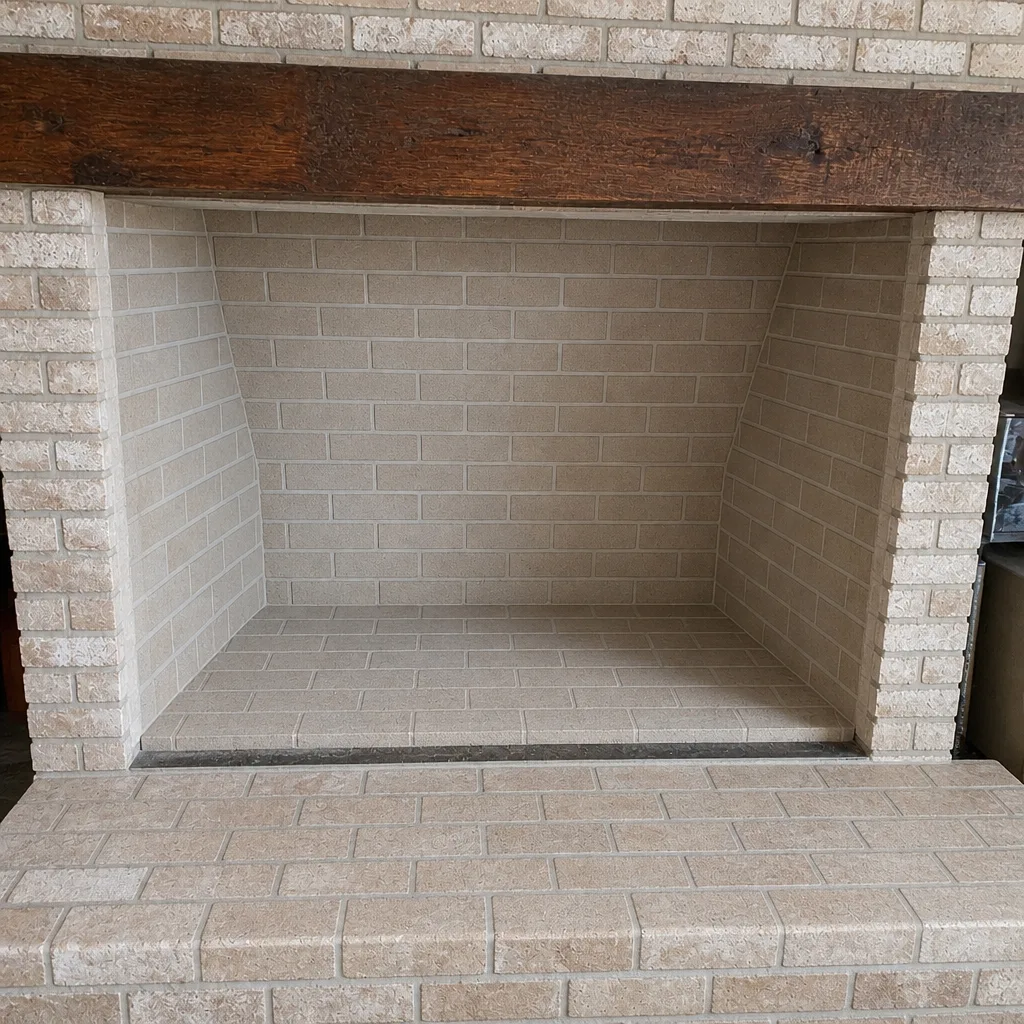
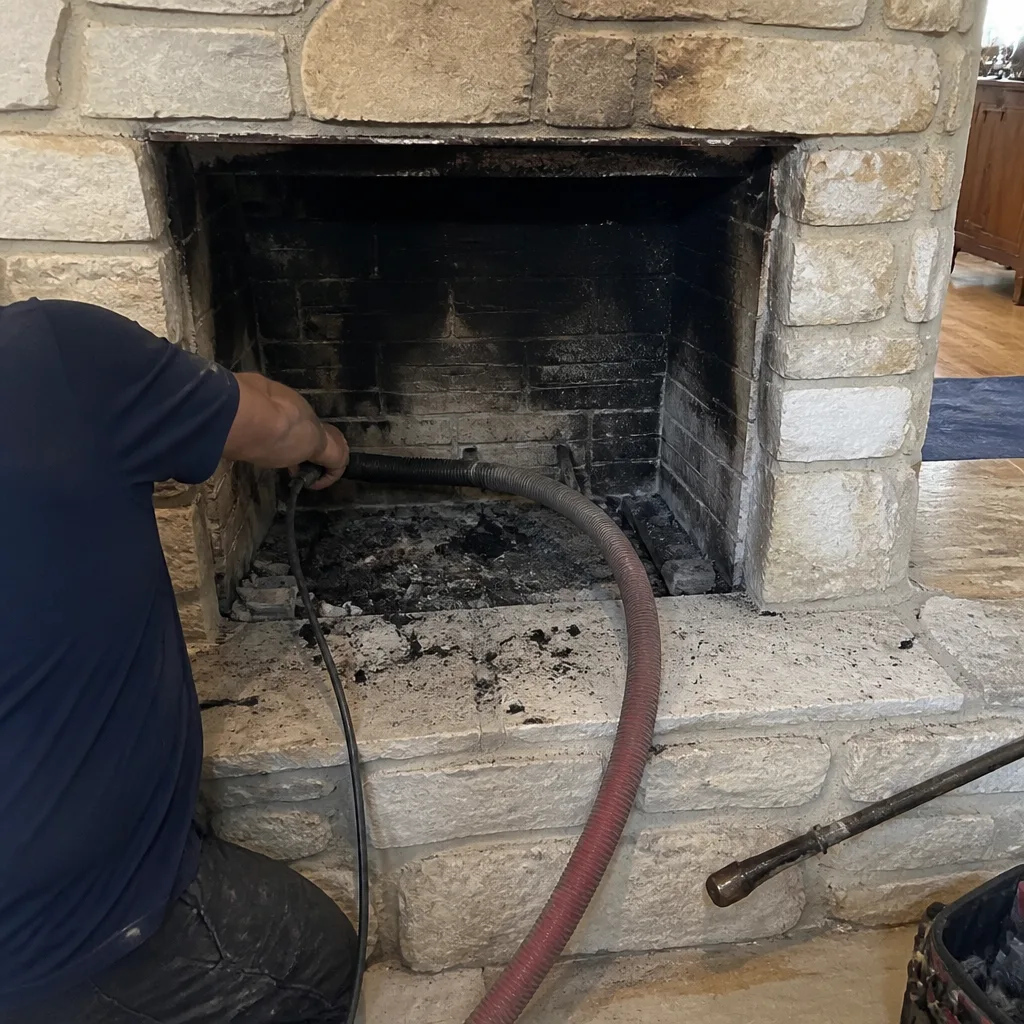
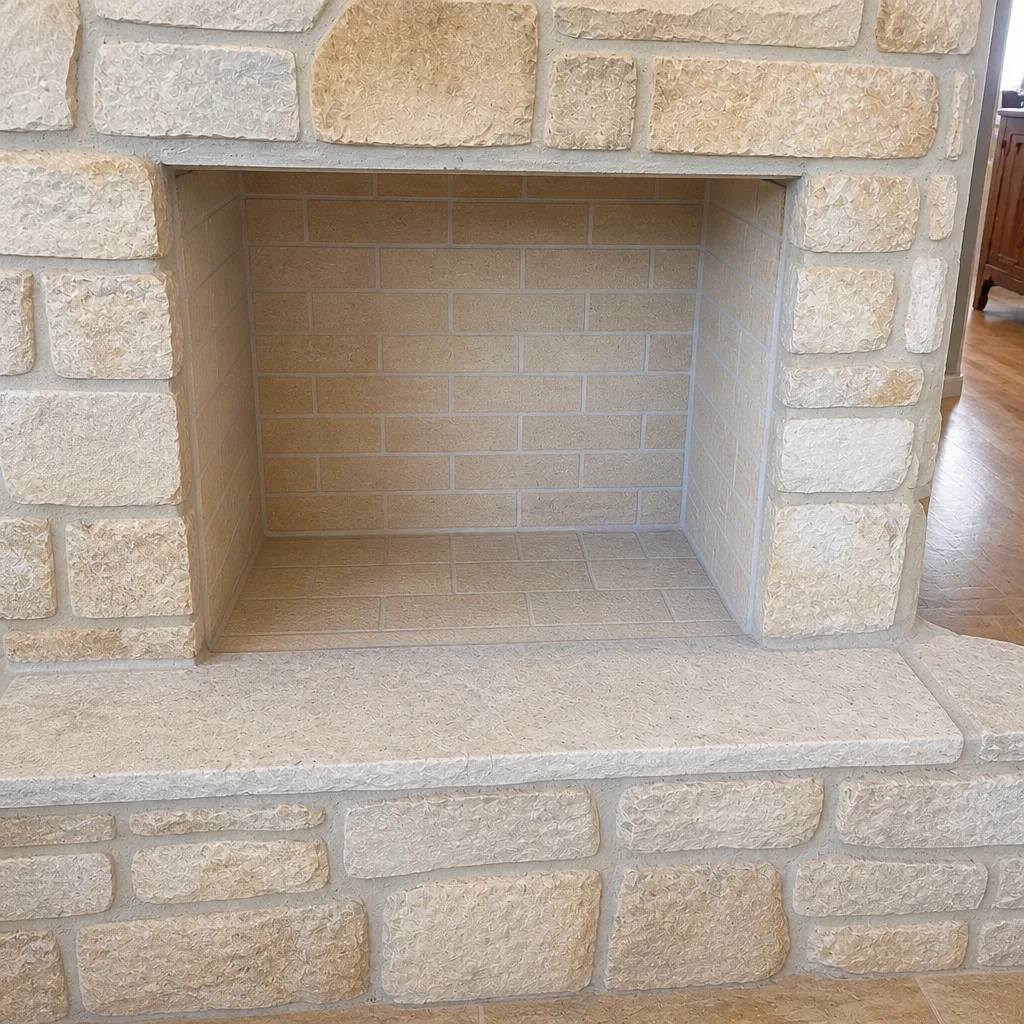
See the difference
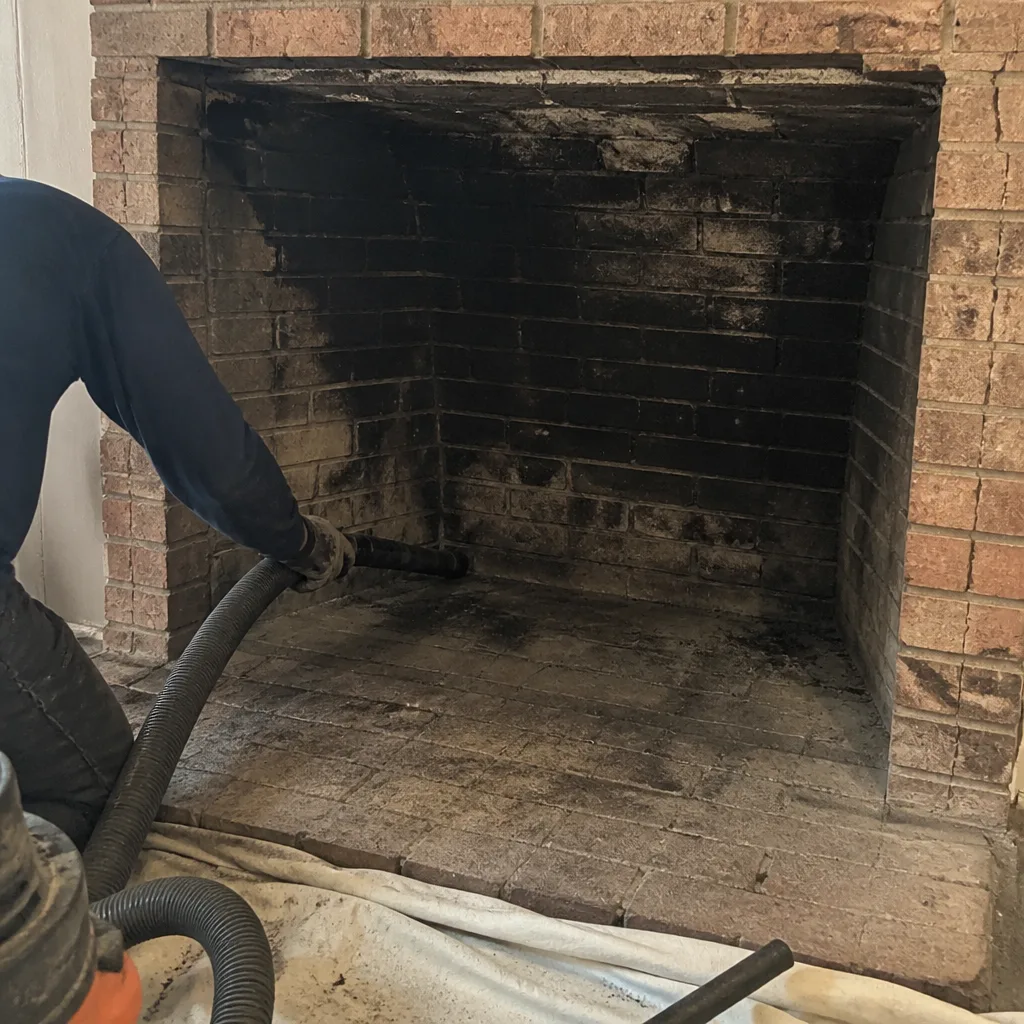 Before
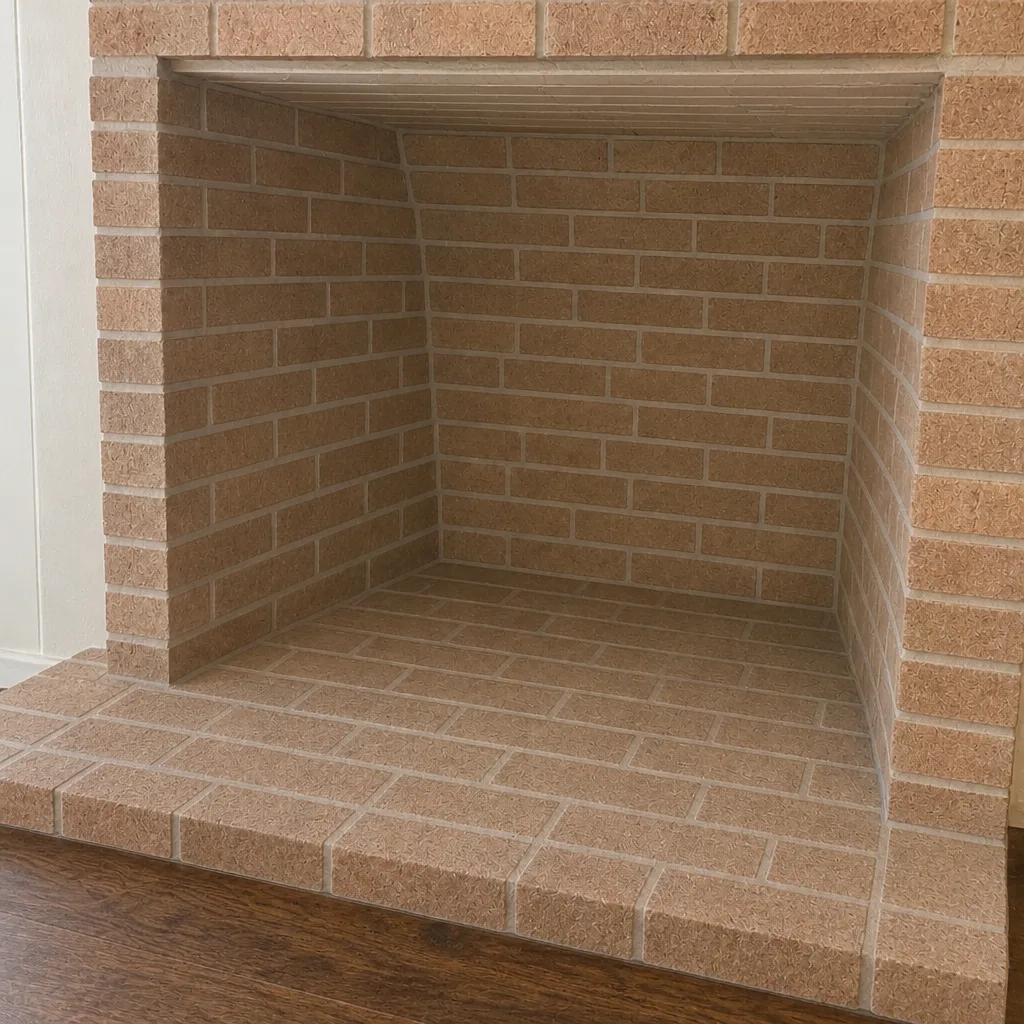 After
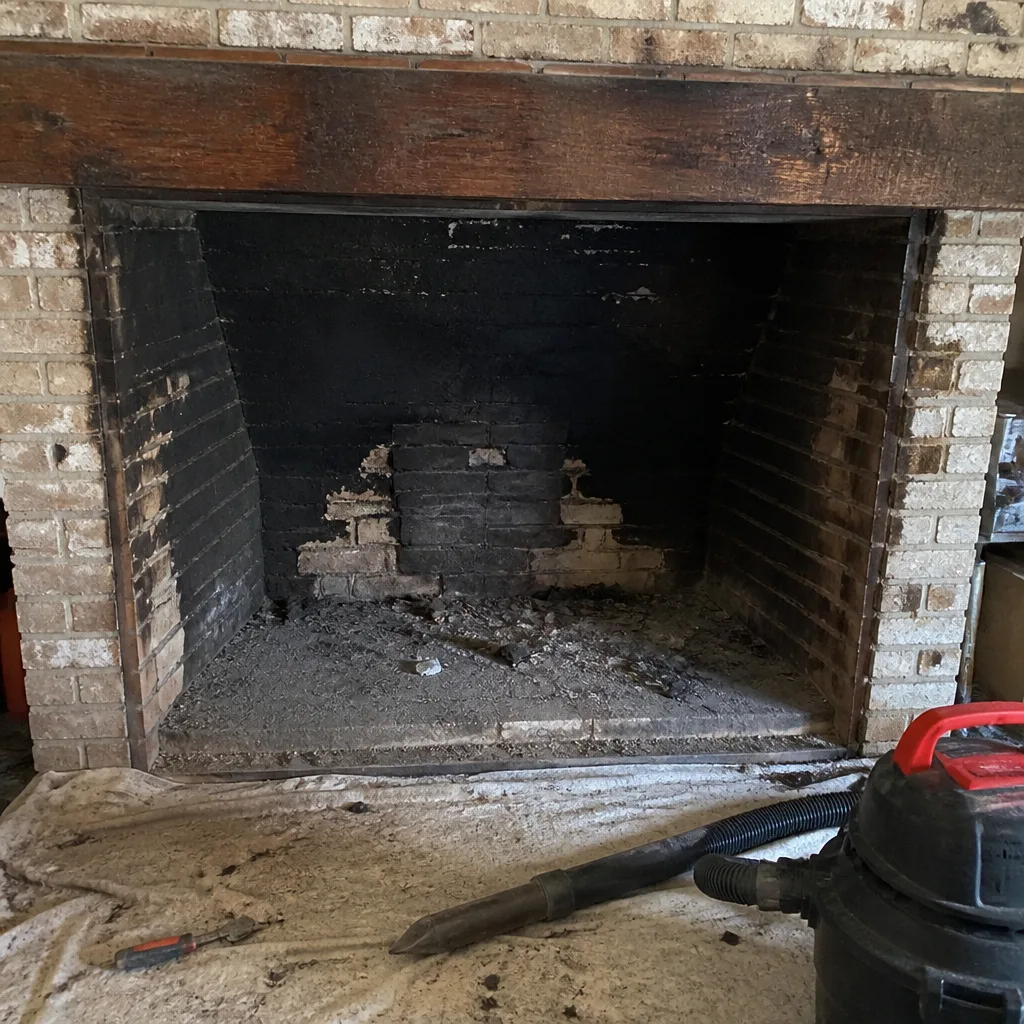 Before
 After
 Before
 After
When to Call a Professional
Some chimney issues are worth a phone call right away, and some can wait for the next scheduled sweep. The right answer depends on what’s actually happening. Call a professional if you notice a strong creosote smell in the house during warm weather, if smoke rolls back into the room when you light a fire, if you see cracked or missing tiles inside the firebox, if the cap is visibly damaged or missing, if you’ve had a chimney fire – even a small one – or if you’re buying a home and need documentation for insurance. In Waco, Chimney Sweep Waco offers free estimates – call (866) 370-3896. The estimate is free, the price is set per job by the written estimate, and we won’t quote a repair we can’t back with camera evidence.
Frequently Asked Questions
The professional-grade lines used by trade-level chimney contractors include DuraFlex stainless liner systems, HeatShield flue resurfacing, Gelco and Olympia Chimney components, Famco venting and caps, and Copperfield supply. These are sourced through chimney trade channels rather than general hardware distribution. Ask any contractor which of these they work with; a repair-capable sweep will answer immediately, and a brush-only sweep usually won’t. Call (866) 370-3896 for an exact quote on your chimney – estimates are free.
Chimney sweeping in Waco is priced per job by a written estimate, and professional sweeps include a camera inspection and photo report in the visit. The final number depends on the flue configuration, the level of creosote, and whether the visit includes any repair work. We give you a written estimate before any work begins, so you know the price upfront and nothing changes after the fact. Call (866) 370-3896 for an exact quote – estimates are free.
The right answer depends on the condition of the existing liner: HeatShield resurfacing is designed for clay tile liners that are damaged but structurally sound, while a full DuraFlex reline is the correct fix when the liner is beyond resurfacing. The only way to know which applies to your chimney is a camera inspection that shows the actual condition. Ask any contractor to show you the footage before recommending work – if they can’t, that’s your answer. Call (866) 370-3896 to book an inspection.
Most wood-burning chimneys benefit from an annual sweep, though the right interval depends on how much you burn, what you burn, and the condition of the flue. A properly lined and capped flue accumulates creosote more slowly than an unlined or poorly sealed one, so maintenance has a real effect on the schedule. Ask your sweep to include a camera inspection with each visit so the interval is based on actual condition, not a fixed rule. Call (866) 370-3896 for an exact quote – estimates are free.
Not always. A liner needs to be replaced when the existing one is cracked, deteriorated, or no longer safely contains combustion, and a properly qualified contractor can show you the specific condition on a camera inspection before recommending replacement. If HeatShield resurfacing will restore your clay tile liner, that’s usually the better fix, and we’ll say so. The recommendation should match the evidence you can see. Call (866) 370-3896 for an exact quote – estimates are free.
Skipping a sweep lets creosote accumulate to the glazed stage, which is the stage that ignites at lower temperatures and burns hot. It also means a cracked liner, a failing cap, or a damaged crown can go unnoticed through the season until the next inspection. The risk isn’t abstract: a chimney fire or carbon monoxide intrusion is what happens when those conditions go unaddressed. Call (866) 370-3896 to book a sweep and inspection – estimates are free.
The Bottom Line
The brands a chimney contractor works with are one of the clearest signals of how they do trade work. DuraFlex, HeatShield, Gelco, Olympia Chimney, Famco, and Copperfield aren’t marketing words – they’re the specific materials that determine how your flue is lined, sealed, capped, and protected over the years. A contractor who can name them and explain how each is used is doing trade-level work. One who can’t is likely ordering by description. In Waco, our approach is to work with those same professional-grade lines, show you the camera evidence behind every recommendation, and tell you when a repair can wait. Nothing gets quoted that we can’t back up.
Contact
If you’re ready to know what your chimney actually needs, call (866) 370-3896 for a free estimate. We answer 24/7. Fast dispatch from 7am to 7pm, Sunday through Friday. We’ll inspect the flue, walk through the findings with you, and give you a written estimate based on what we saw – not on what a sales script says. Free estimates, professional-grade materials, and one specialist from sweep to repair to inspection.
Written by the team at Chimney Sweep Waco.