
Last updated November 15, 2026
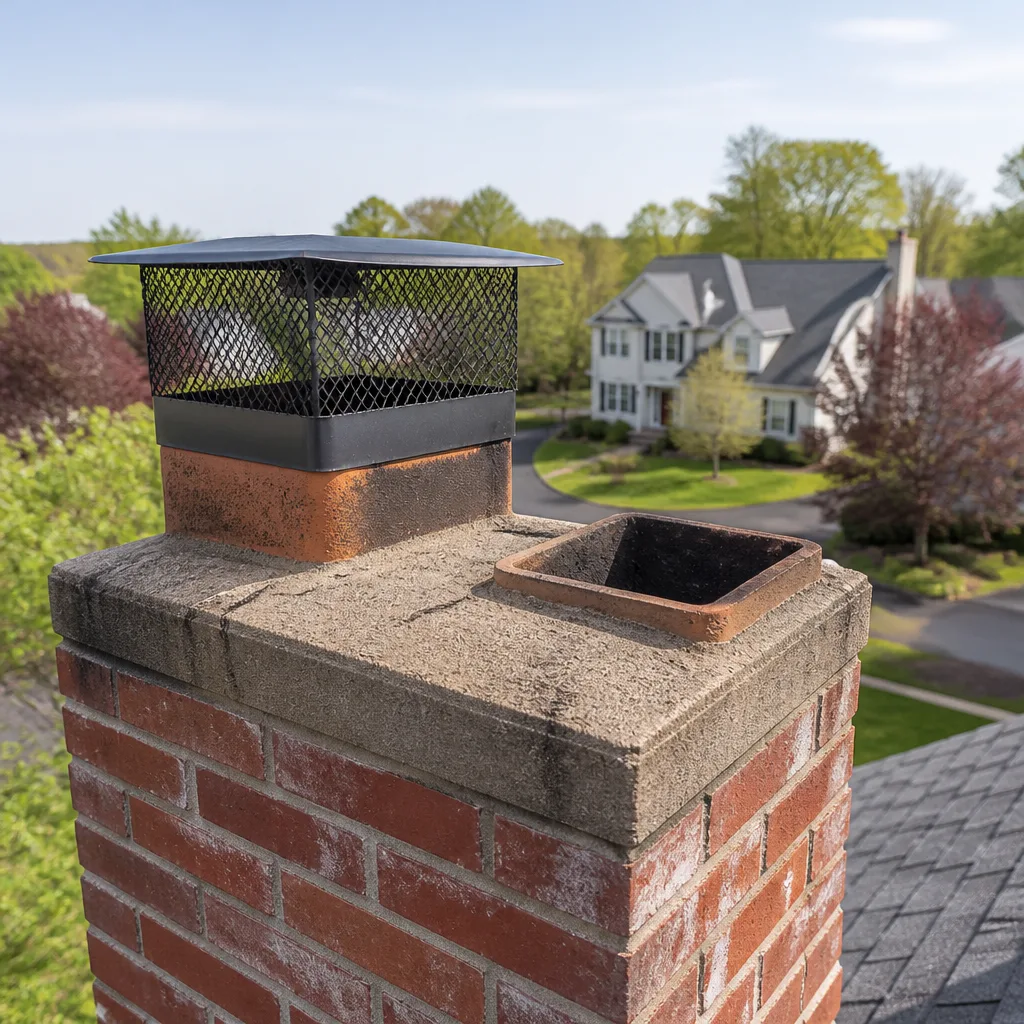 Sweep & inspection
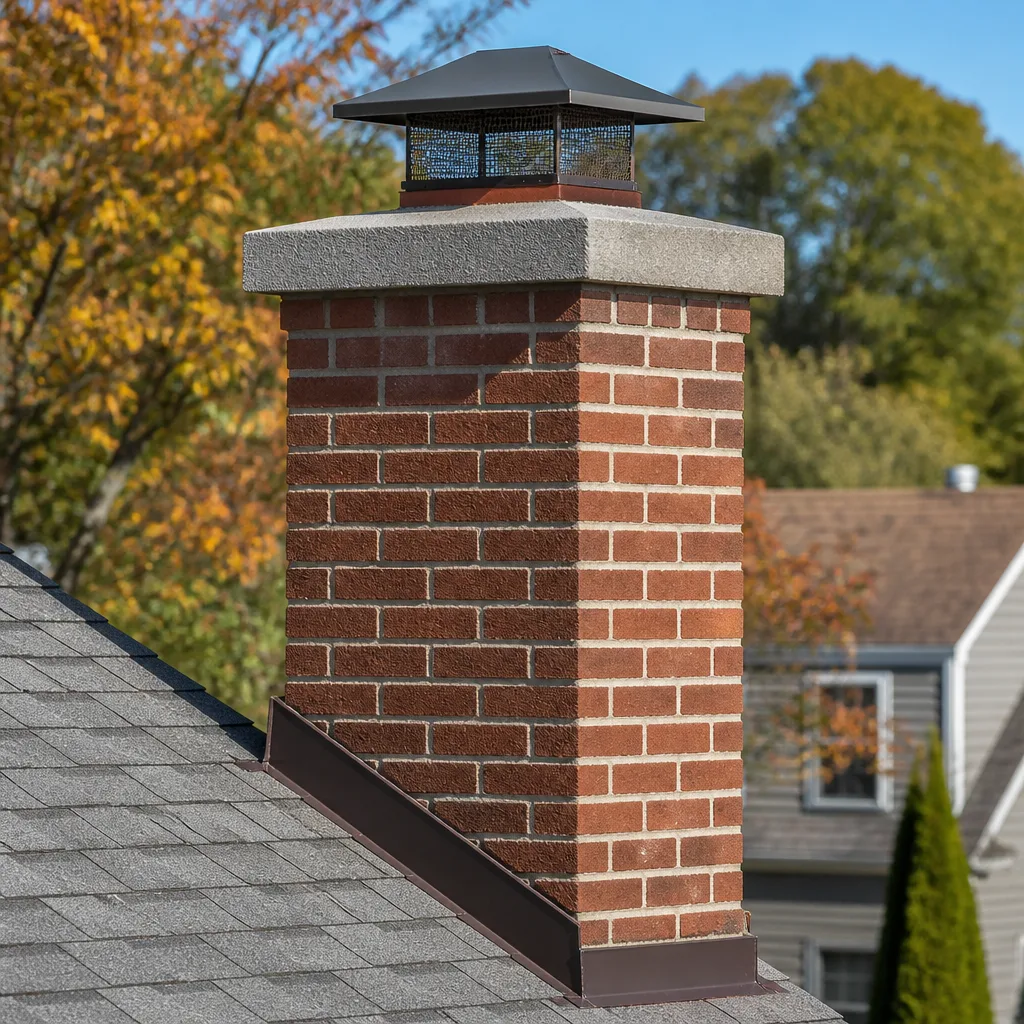 Caps & crowns
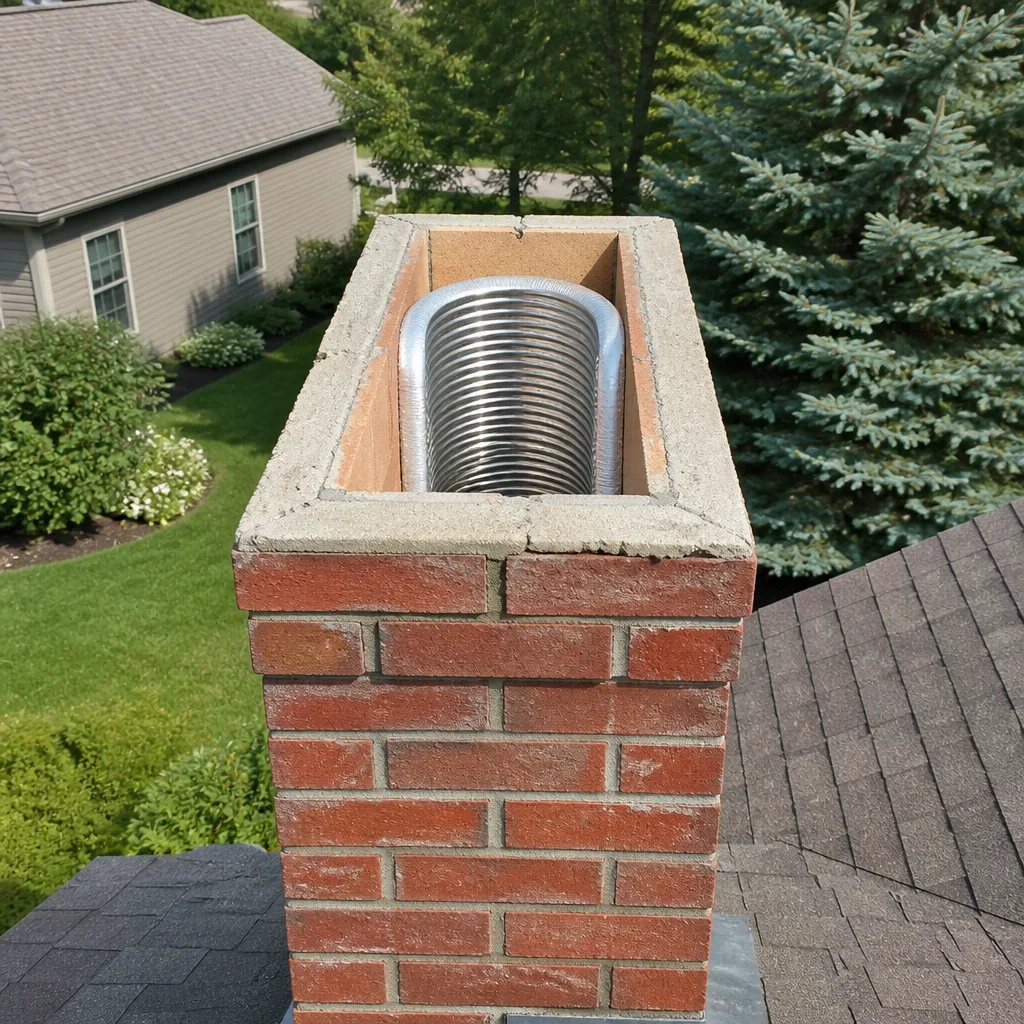 Flue relining
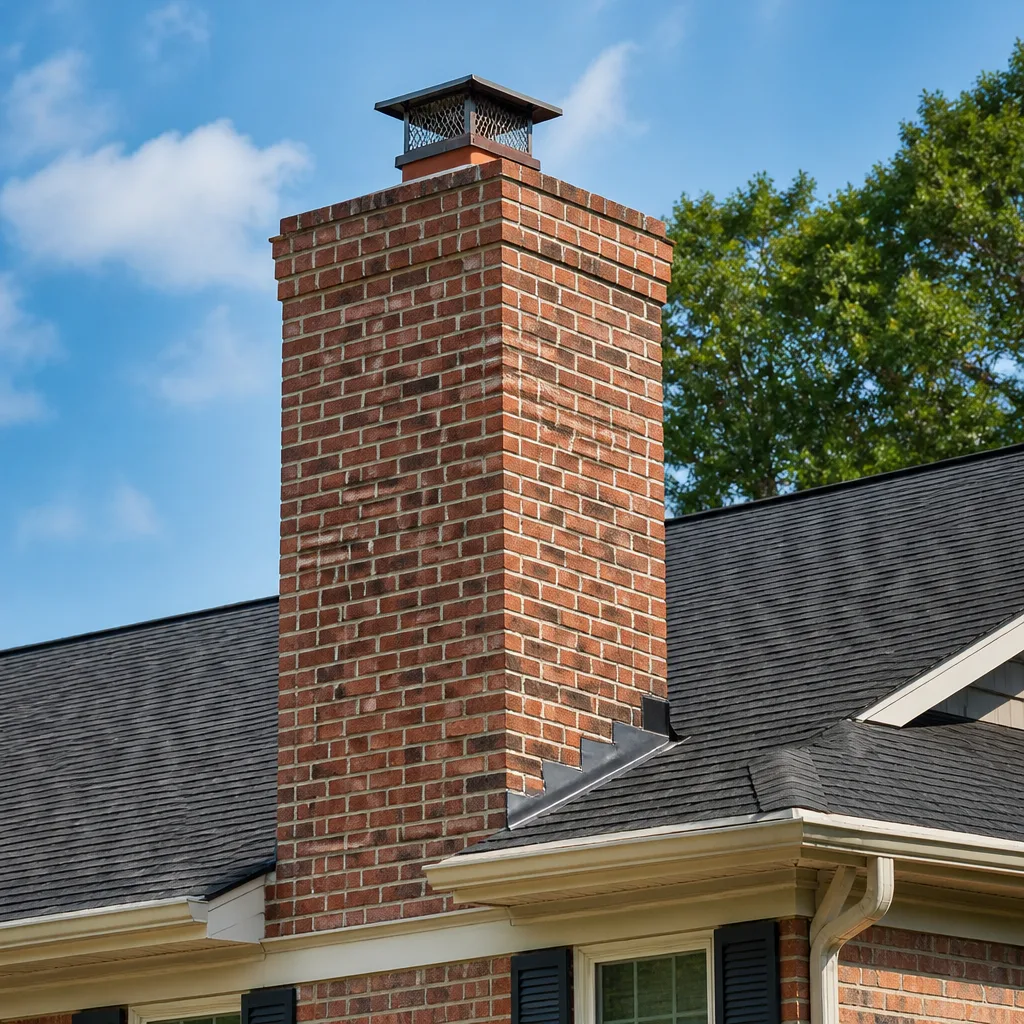 Masonry repair
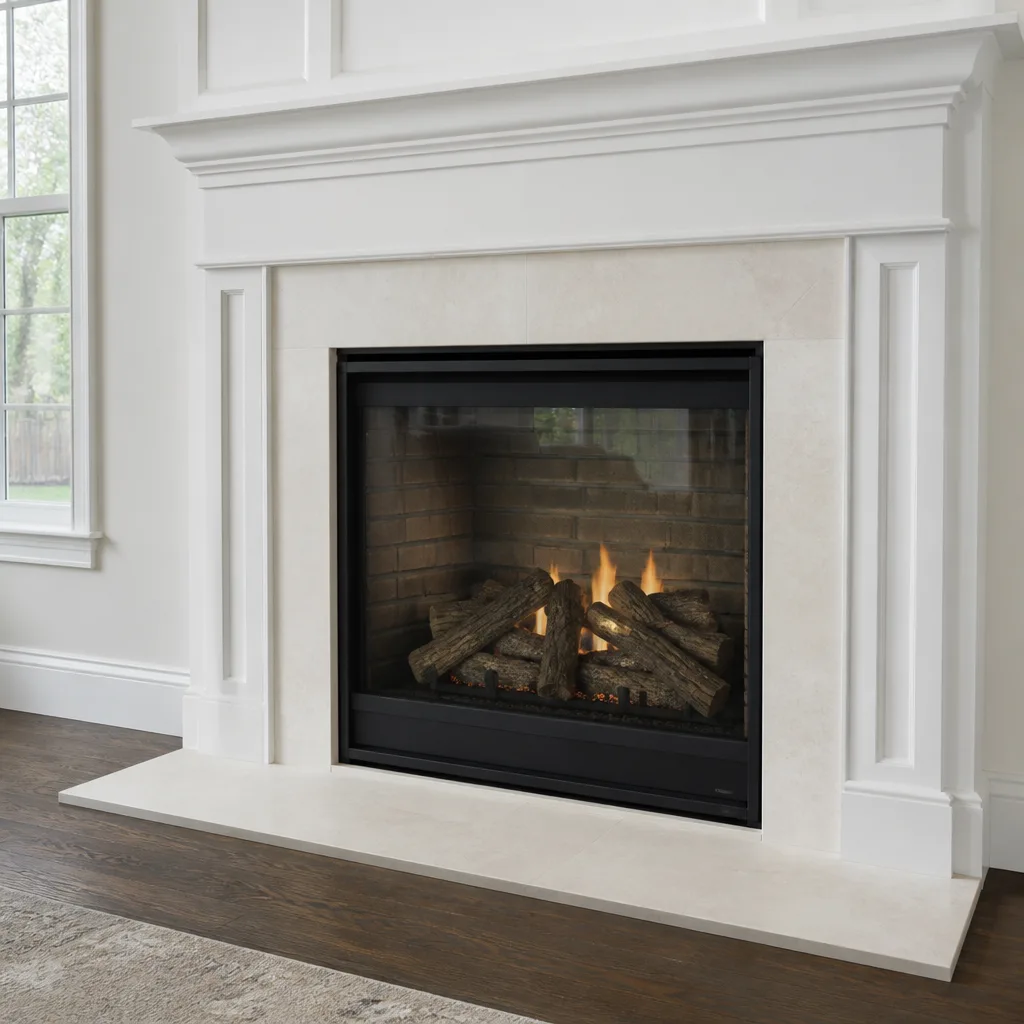 Gas fireplace service
Level 1 sweep and inspection to the NFPA 211 annual standard - flue, crown, cap, and flashing checked and photographed
Chimney sweep logs do not sweep chimneys. They loosen some creosote - which then falls where a brush and vacuum still have to collect it.
How to Hire a Chimney Cleaning Contractor in Waco: A Step-by-Step Guide
CSIA certification is the floor, not the ceiling. Plenty of certified sweeps in Texas use consumer-grade equipment and subcontract the liner work they can’t handle themselves. The gap between a certified sweep and a full-system chimney contractor is exactly where most homeowners lose money on repeat repairs. This guide gives you the screening framework to tell the difference before you book anyone. You’ll learn which questions expose a brush-and-vacuum operation, how a real pre-job walkthrough looks, and what a quote should contain. If you’re hiring in Waco, the local context matters as much as the credentials.
Quick Answer
To hire a chimney cleaning contractor in Waco, first confirm CSIA credentials, then ask specific questions about equipment, materials, and scope. Look for a contractor who does sweeping, repair, and inspection in-house rather than subcontracting, who uses professional-grade liner materials like DuraFlex or HeatShield, and who provides a written, itemized estimate. Avoid same-day pressure, vague line items, and any quote that doesn’t include the flue’s condition.
Styles & brands we work with
- Sweep & inspection
- Caps & crowns
- Flue relining
- Masonry repair
- Gas fireplace service
Table of Contents
- Why Hiring a Chimney Sweep in Waco Is Different
- Step 1: Verify CSIA Certification and Trade Affiliations
- Step 2: Ask the Equipment Questions
- Step 3: Watch the Pre-Job Walkthrough
- Step 4: Read the Quote Like a Contractor
- Step 5: Spot the Red Flags in the Sales Approach
- Why the Lowest Bid Usually Costs More
- When to Book the Next Visit
Why Hiring a Chimney Sweep in Waco Is Different
Waco’s climate is mild for most of the year, which lulls some homeowners into thinking chimney maintenance is less urgent than it is in colder parts of the country. The reality is that the burning season here is still real, and the intervals between sweeps matter more than the calendar. Our technicians have up to 14 years of experience, and one pattern repeats across nearly every Waco neighborhood we serve: homeowners wait for a symptom before they call, and by then a small issue has grown into a repair.
Waco’s housing stock is also varied. Older homes near the downtown and along the Brazos corridors may have masonry chimneys with original clay tile liners that have been through decades of heating cycles. Newer construction west of town trends toward factory-built fireplaces with metal liners that need different care. A contractor who only knows how to sweep a masonry flue may not be equipped to properly evaluate a prefabricated system, and vice versa. The best hire in Waco is someone who can handle both, along with liner work if the flue needs it.
Then there’s the market itself. Chimney work attracts generalists who add it to a menu of other services. For a homeowner, this means the person showing up may have swept two chimneys this month and pressure-washed a driveway last week. The screening process below is designed to separate the chimney-only specialists from the generalists before they set foot on your property. If you want a sense of what our own Chimney Sweep Waco process covers, the framework in this guide is exactly the one we’d want you to use.
Step 1: Verify CSIA Certification and Trade Affiliations
CSIA certification is the baseline credential in this trade, and verifying it is straightforward. The Chimney Safety Institute of America maintains a searchable directory of certified sweeps by ZIP code, and you should use it before booking anyone in Waco. Ask for the certification number and check it yourself. A certification card that can’t be verified is not a certification.
But certification alone tells you a technician passed an exam. It doesn’t tell you what kind of operation they run. Trade affiliations and manufacturer credentials fill in that picture:
- NCSG membership (National Chimney Sweep Guild) signals a contractor who invests in continuing education and industry standards beyond the minimum.
- Manufacturer certifications for liner and resurfacing products, like HeatShield being a good example of a credential worth asking about, show a contractor trained to install those systems to spec rather than simply reselling them.
- Supplier relationships with professional lines like Copperfield or Olympia Chimney suggest a contractor who sources trade-grade materials rather than big-box substitutes.
Ask how long the technicians on their team have been working in the trade. Experience varies widely, and the person actually doing the work matters more than the brand on the truck. A company with technicians who bring up to 14 years of experience to a job is a different prospect from one staffed by a rotating crew.
Finally, ask whether the contractor carries insurance. The work involves roof access, ladder work, and sometimes equipment that can damage a flue if handled wrong. A contractor operating without general liability coverage is transferring that risk to you. This part of the screening takes ten minutes and eliminates most of the fly-by-night operators before you’ve scheduled anything.
Step 2: Ask the Equipment Questions
The equipment a sweep uses tells you more than their advertising ever will. A brush and a shop vac can clean a chimney on a basic level, but it’s not professional-grade work, and the difference shows up in what’s left behind and what’s missed. Ask these questions directly and pay attention to how specific the answers are:
- What vacuum system do you use? A HEPA-rated, high-CFM chimney vacuum is the standard in this trade. A shop vac or a household vacuum means dust will migrate through the house, and the crew won’t be able to fully capture the creosote and soot they dislodge.
- What brush material do you use, and do you match it to the flue? Polypropylene brushes are the default for most cleaning; metal brushes are used in specific cases but can damage clay tile if applied wrong. A sweep who names the material and explains the match is trained. One who says “we bring the right brush” isn’t.
- Do you carry professional liner materials or subcontract that work? This is the most revealing question on the list. A contractor who stocks or sources DuraFlex or HeatShield through their own channels can handle a relining or resurfacing job without a second visit from another company. One who doesn’t will refer that work out, and you’ll pay a markup for the coordination.
- What cameras do you use for inspection? A video inspection of the flue interior is a baseline expectation for a professional sweep. If the crew doesn’t carry a camera or doesn’t show you the footage, you can’t verify what you were told.
- Do you handle caps and venting yourself? Familiarity with brands like Gelco or Famco for caps, covers, and venting components is a small signal that the contractor thinks about the whole system, not just the cleaning.
None of these questions requires technical knowledge from you. You’re listening for specificity. A contractor who answers with brand names, model types, and reasons is working at a trade level. One who answers in generalities is not.
Step 3: Watch the Pre-Job Walkthrough
Before any tools come out, the contractor should ask about the system’s history. When was the chimney last swept? What do you burn, and how often? Has the fireplace ever smoked into the room? Have you noticed any smells in the summer, or any water intrusion? These questions tell the sweep what to look for, and skipping them is a red flag.
A professional pre-job walkthrough in Waco follows a recognizable pattern:
- They inspect the firebox and the damper, then look up into the flue with a light before running a brush.
- They check the exterior of the chimney, including the crown, mortar joints, and flashing at the roofline.
- They ask about any recent storms, roof work, or chimney-related changes to the home.
- They explain what they’re seeing as they go and point out anything they want to inspect more closely with a camera.
A contractor who goes straight to the fireplace with a brush and starts cleaning without a word is either rushing or untrained. Either one is a problem. The walkthrough is where the sweep and the homeowner agree on what the visit is for, and it’s where you’ll hear the first honest assessment of the chimney’s condition.
This is also when you’ll learn whether the contractor can handle repair work. A sweep who finds a cracked tile liner or deteriorated mortar joint and has no way to fix it will refer you out, which means another appointment and another estimate. Our own approach is to treat the walkthrough as the start of a full-system assessment, which is why we’re set up to move from chimney sweep work straight into repair if it’s needed.
Step 4: Read the Quote Like a Contractor
A written quote should be itemized. Vague line items like “chimney cleaning and inspection” tell you almost nothing, and they’re the most common way homeowners end up paying for work they didn’t authorize. A real quote breaks out the sweep, the inspection, and any recommended repair as separate items with separate prices.
Here’s what a professional quote should include:
- The scope of work, described in specific terms (e.g., “sweep flue and firebox, video inspection, roof-level check of crown and flashing”).
- The price for each item, stated separately.
- Material brands and grades for any repair work, named explicitly (HeatShield resurfacing, DuraFlex liner, and so on).
- What the price does not cover, such as masonry repairs beyond the flue or cap replacement.
- A statement that the written estimate sets the final price.
Ask for the quote in writing before the crew leaves, even if you plan to think about it. Verbal estimates evaporate, and the contractor who can’t produce a written scope is unlikely to have a clear process for the work itself. The price should be set per job, not by the hour, and you should never see a line for a trip charge, a diagnostic fee, or anything else that appears alongside the actual work.
If a repair is recommended, ask the contractor to show you the inspection footage that justifies it. Any honest recommendation can be verified on the camera. If they can’t show you the problem, don’t authorize the work.
Step 5: Spot the Red Flags in the Sales Approach
Chimney work is a trade where the homeowner can’t easily verify the quality of a finished job. That information gap is what bad actors exploit. In Waco, as anywhere, the red flags are consistent:
- Same-day pressure. If a contractor tells you the chimney is unsafe and the work has to be done today, ask why the recommendation can’t wait for a second opinion. Outside of an active fire hazard, chimney repairs don’t require a same-day decision.
- Vague line items. “Chimney repair, $900” is not a quote. It’s a placeholder, and it will grow.
- No written scope. A contractor who won’t write down what they’ll do isn’t accountable for what they did.
- No inspection footage. If a repair is recommended without video evidence you can see for yourself, don’t authorize it.
- Bait pricing. An unusually low sweep price is often a loss leader to get a foot in the door for a high-margin repair sale. Ask what the inspection includes and whether the inspection is separate from the sweep.
- Subcontracting the repair. If the company doing the sweep hands off the liner work to a third party, you’re paying a middleman and losing the direct oversight that matters.
- No brand names. A contractor who can’t tell you which liner or resurfacing system they’ll use is not equipped to do the work.
The consistent theme is that a straight contractor will be comfortable with you taking time, reading the estimate, and getting a second opinion. A contractor who isn’t comfortable with those things is telling you something about their process.
Why the Lowest Bid Usually Costs More
In chimney work, the lowest bid is almost always a materials bid. The labor involved in a sweep is relatively fixed; the difference between a $150 quote and a $250 quote is usually what’s included, not what’s charged. The lower number often means a basic brush-and-vacuum cleaning with no video inspection and no written scope, and the higher number includes both. The cleanup matters too: a low bid frequently means a shop vac instead of a HEPA chimney vacuum, which is a dust problem you’ll be dealing with for a week.
The gap widens on repair work. A resurfacing job using HeatShield is a different product and a different process than a slap-on mortar patch, and the price reflects that. A liner installed from DuraFlex stock sourced through Olympia Chimney or a comparable professional channel is a system built to last between visits. A generic liner from a big-box store is a shorter-lived substitute that often fails the same test within a few years. A contractor quoting the second option may be quoting honestly, but they’re not offering equivalent work.
The way to compare quotes accurately is to compare scope, not totals. Ask each contractor what brand and grade of material they plan to use, what inspection the price includes, and what the written scope covers. Once you have that in three side-by-side quotes, the “cheapest” option is rarely the lowest bid. If a contractor can’t answer those questions, they’ve eliminated themselves from the comparison.
Our own approach is to name the products on the estimate. HeatShield for resurfacing, DuraFlex for relining, and Copperfield or Olympia Chimney for supply are the lines we work with, and we’re happy to explain why each one was chosen for a specific job. That’s the level of transparency we’d expect as homeowners, and it’s the standard we hold chimney repair work to.
When to Book the Next Visit
The CSIA recommends an annual inspection for any chimney in use, and sweeping whenever the creosote buildup reaches one-eighth of an inch. In Waco’s mild climate, the annual inspection is easy to defer because the fireplace sits idle for much of the year, and that’s precisely why it shouldn’t be. The inspection catches liner damage, cap failures, and water intrusion before they turn into repair bills.
A practical schedule looks like this:
- Annual inspection every year, regardless of how often you burn. The inspection is the check-up; the sweep is the cleaning.
- Sweep when the buildup justifies it. A household burning several cords a season will need a sweep annually. A household burning a few fires a month may go longer, but the inspection still happens every year.
- After any significant event. A chimney fire, a hailstorm, roof work, or a lightning strike near the chimney all warrant an inspection. So does a new smell in the summer or smoke backing into the room.
- Before selling a house. A pre-sale inspection protects both parties and provides the documentation a buyer’s insurer may want.
Write the next inspection date on the invoice or in your calendar before you put the paperwork away. That single habit is the difference between a chimney that lasts and one that becomes a repair project. If you’re not sure when your last inspection was, the answer is that it’s due.
Common Mistakes to Avoid
- Hiring on price alone. The lowest quote in Waco is usually a materials shortcut, not a bargain. Compare scope, not totals.
- Skipping the CSIA check. Certification is easy to verify and eliminates most unqualified operators before you’ve spent a minute on the phone.
- Not asking about the vacuum system. A shop vac leaves dust in the house and misses fine soot. Ask before they arrive, not after.
- Accepting a repair recommendation without seeing the evidence. If the contractor can’t show you the problem on camera, the problem hasn’t been established.
- Assuming the sweep handles repairs. Many sweeps subcontract liner and resurfacing work. Confirm that the contractor doing the sweep is the one doing the repair, or expect a markup.
- Letting the contractor choose the materials without disclosure. Ask for brand names and grades in writing. Generic liner products are not equivalent to professional-grade ones.
- Waiting for a symptom. A smoking fireplace, a smell in the summer, or a cracked crown are late signs. The annual inspection is designed to catch issues before they announce themselves.
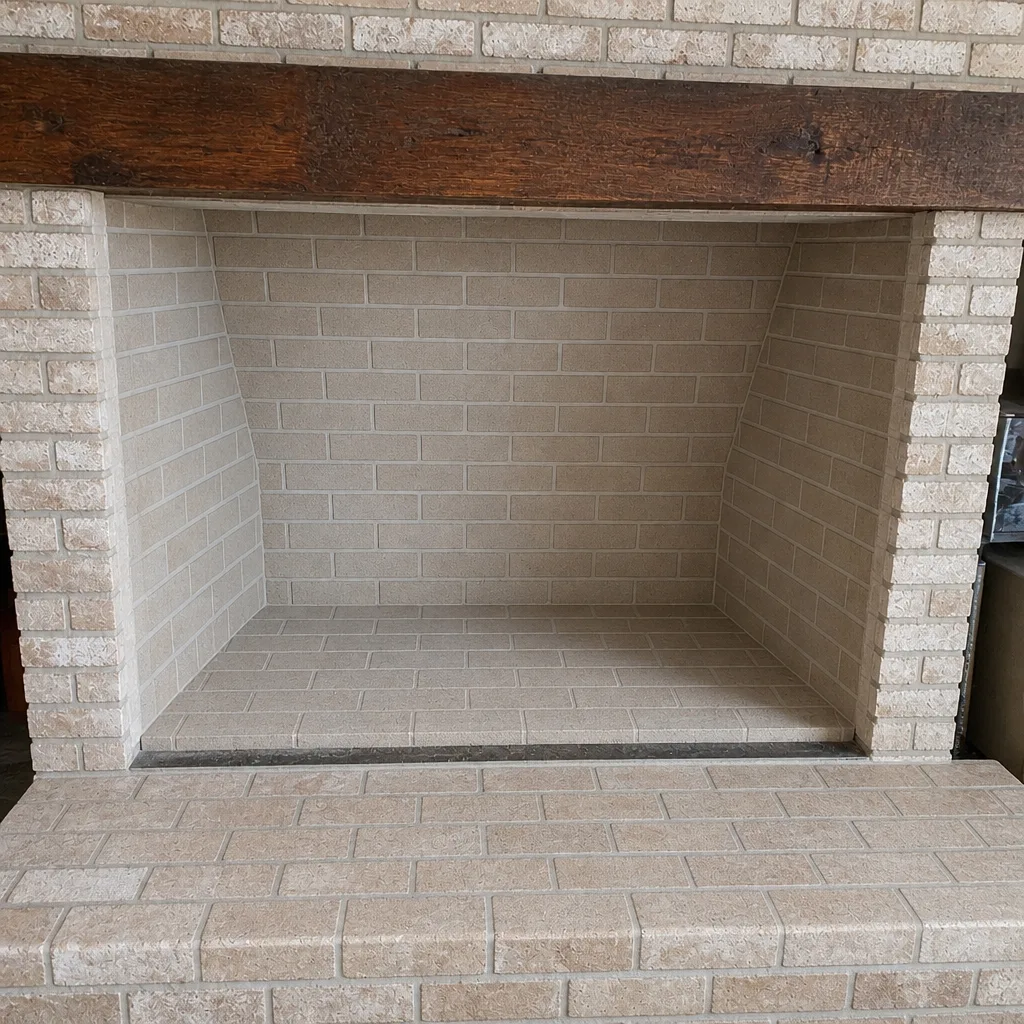
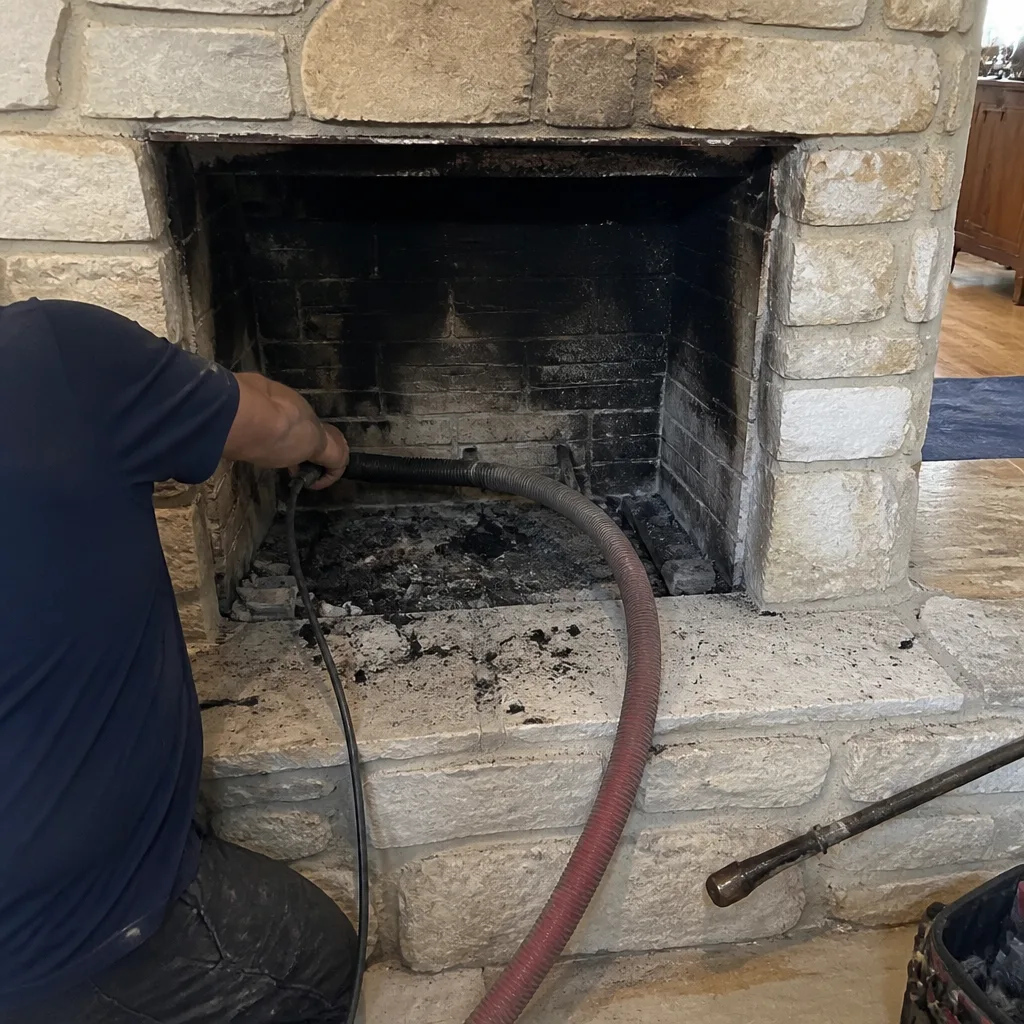
See the difference
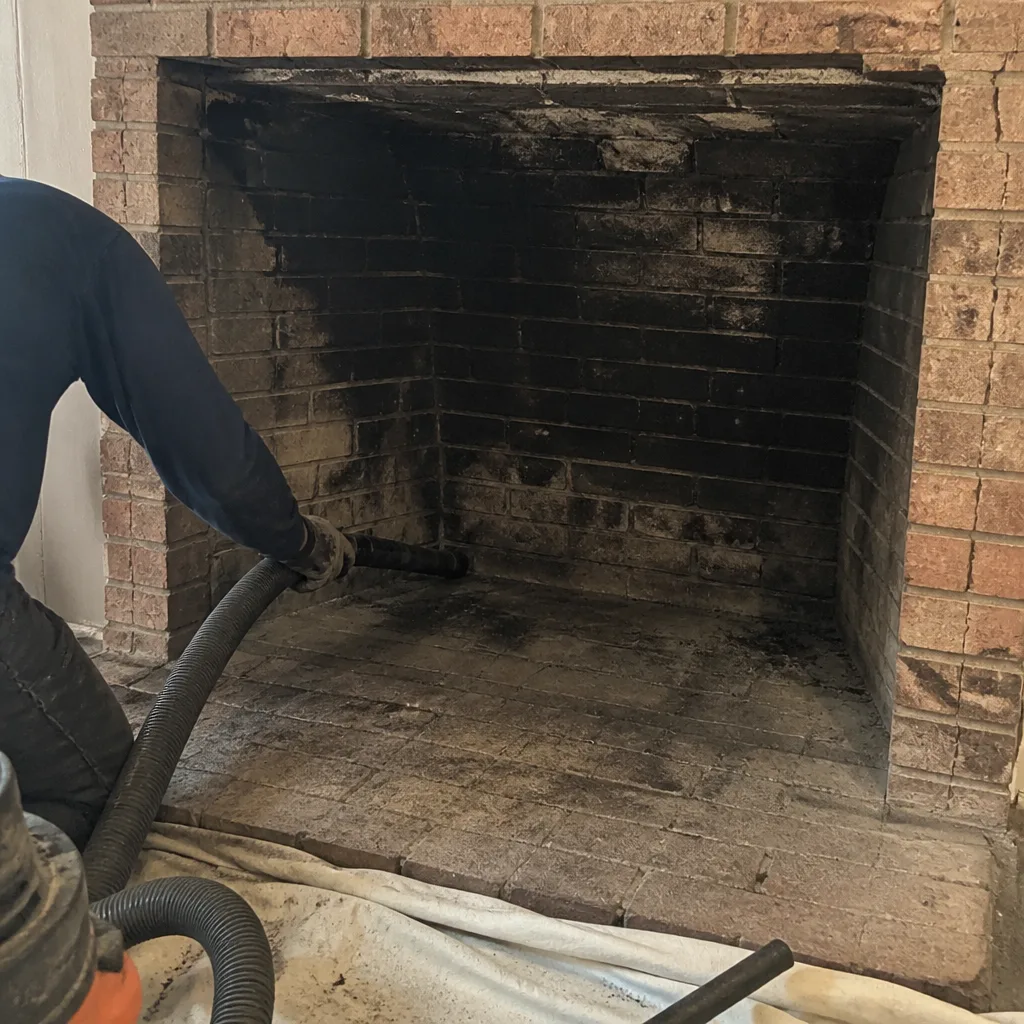 Before
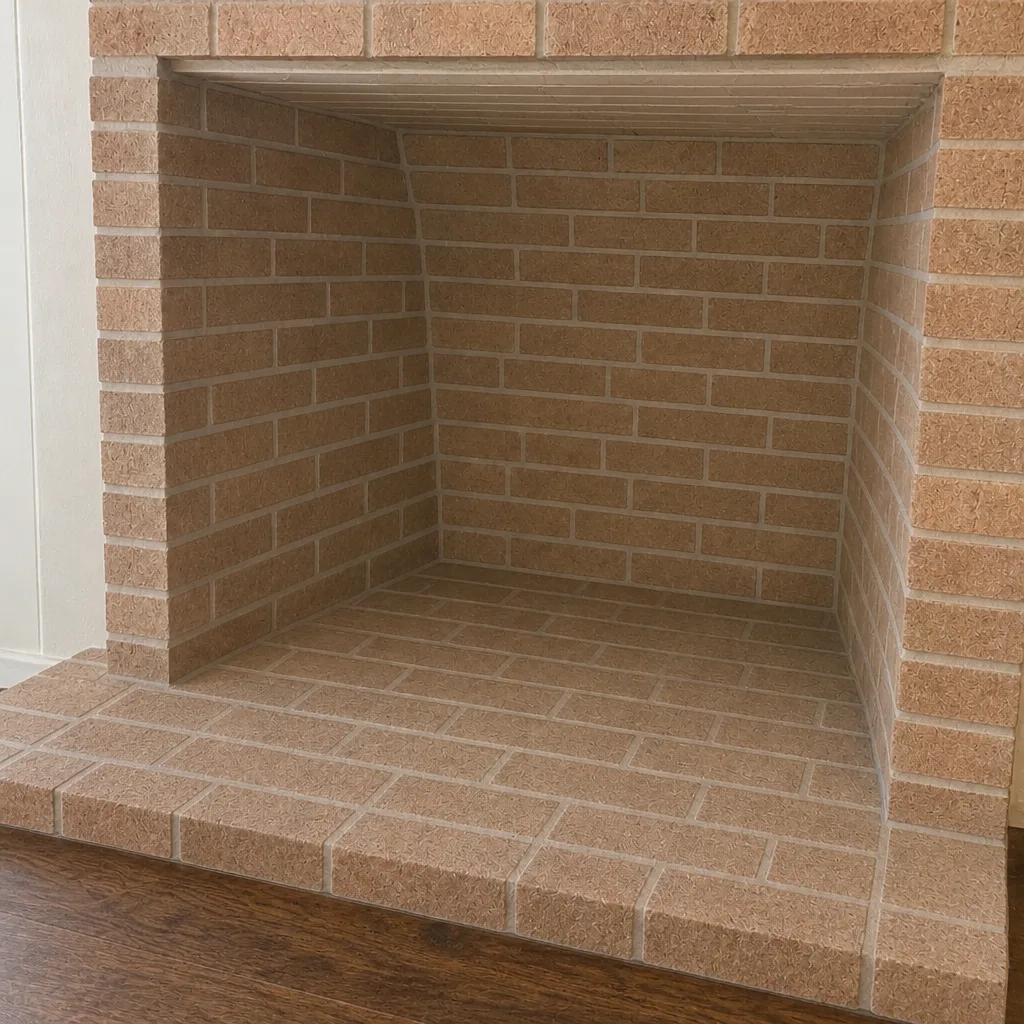 After
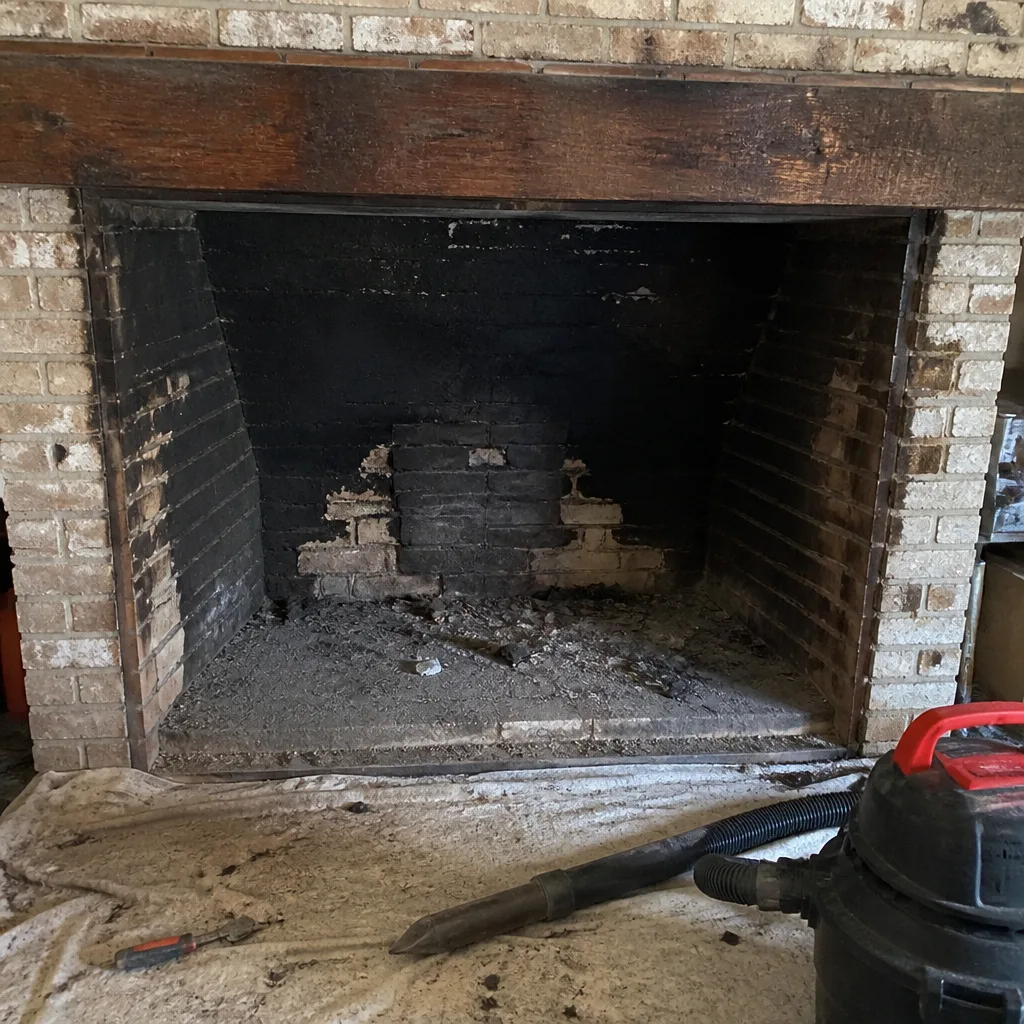 Before
 After
 Before
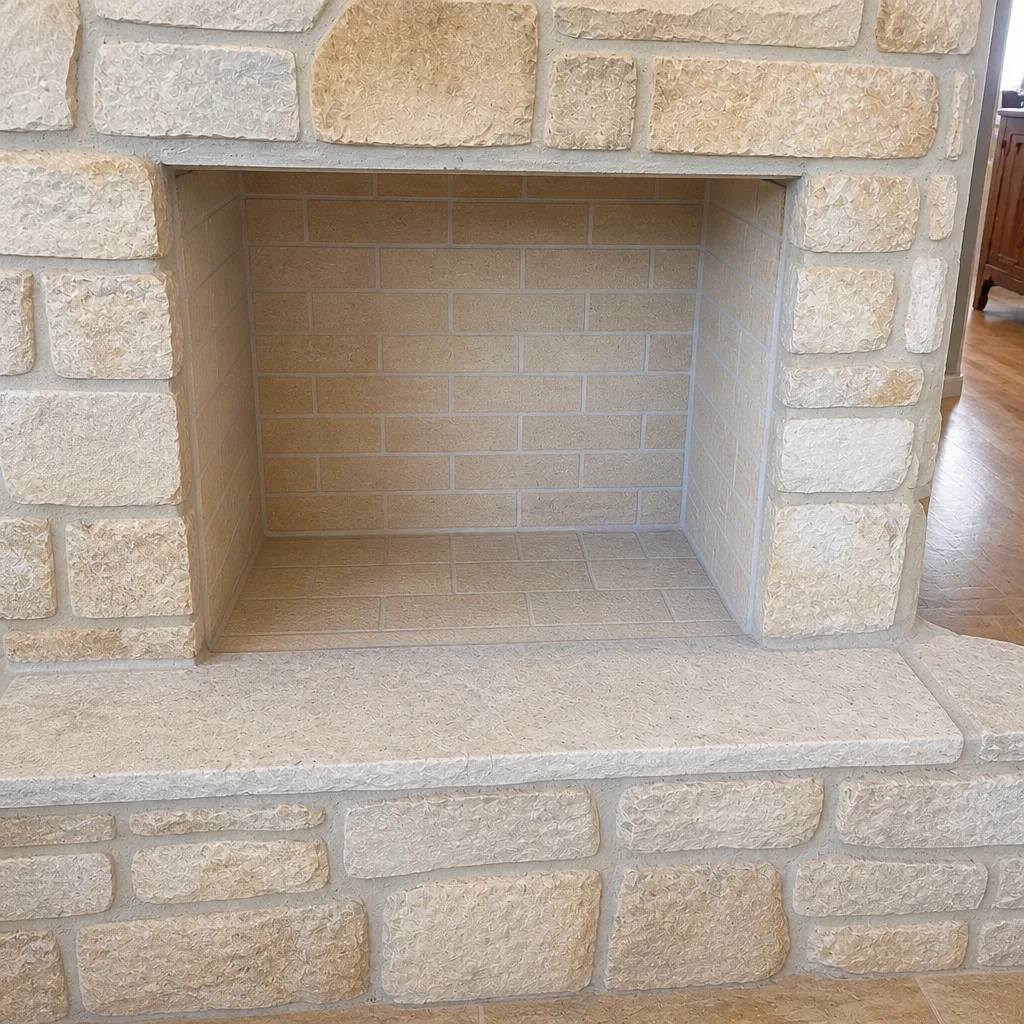 After
When to Call a Professional
Some chimney issues are worth a call immediately. Smoke backing into the room during a fire, a strong creosote smell in warm weather, visible water staining on the firebox or ceiling near the chimney, a cracked crown, or any evidence of a chimney fire all warrant an inspection. So does any recent event that may have damaged the system: a storm, a roof repair, or work done on the chimney by someone else. On the maintenance side, if it’s been more than a year since the last inspection, that’s the call. And if you’re buying or selling a home in Waco, an inspection before closing is worth booking on its own. Chimney Sweep Waco offers free estimates in Waco. Call (866) 370-3896. We answer 24/7. Fast dispatch from 7am to 7pm, Sunday through Friday.
Frequently Asked Questions
A typical chimney sweep in Waco runs in the range professional contractors charge for a full cleaning with inspection included. The exact number depends on the flue type, the level of creosote buildup, and whether the visit includes a video inspection. The written estimate sets the final price. Call (866) 370-3896 for an exact quote. Estimates are free.
Only if the existing liner is damaged, deteriorated, or the wrong size for the appliance. A clay tile liner with cracked or missing tiles, or a metal liner that has failed at a joint, needs replacement. Ask the contractor to show you the inspection footage. If they can’t show you the damage, you don’t need the liner. Call (866) 370-3896 and we’ll walk through what the inspection found.
The CSIA recommends sweeping when creosote buildup reaches one-eighth of an inch, which for most Waco households means an annual sweep during the burning season. An annual inspection is recommended regardless of burn frequency. If you burn several cords a year, an annual sweep is the floor. Call (866) 370-3896 to book an inspection and get a specific answer for your chimney.
Creosote accumulates whether or not you notice it, and at sufficient thickness it can ignite. A chimney fire can crack the liner, damage the mortar, and in some cases spread beyond the chimney. Carbon monoxide is a separate concern: a blocked or damaged flue can allow combustion gases into the living space. Both risks build gradually, which is why the annual inspection matters. Call (866) 370-3896 to schedule a check.
Start with CSIA certification, verified through the CSIA directory, then ask about equipment and materials. A qualified contractor will name their vacuum system, their brush type, the liner brands they work with, and the inspection equipment they carry. They’ll also provide a written itemized estimate. The screening questions in this guide cover the rest. Call (866) 370-3896 if you want to compare what a full-service quote looks like.
Sometimes. A small repair like a cap replacement or a minor mortar patch can often be handled during the same visit. A relining or resurfacing job requires its own scope and its own estimate. The contractor should tell you clearly which category the work falls into before you authorize anything. Call (866) 370-3896 to discuss your chimney’s specific situation.
The Bottom Line
Hiring a chimney contractor in Waco comes down to a handful of verification steps that take less than an hour. Check the CSIA directory. Ask about the vacuum system, the brush, and the liner brands the contractor actually uses. Watch whether the walkthrough starts with questions about the system’s history or with a brush. Read the quote for specificity and brand names. And be comfortable asking for the inspection footage before authorizing any repair. The contractor who passes those checks is working at a trade level. The one who doesn’t is a materials shortcut waiting to happen. Our own team has technicians with up to 14 years of experience and works with DuraFlex, HeatShield, Gelco, Olympia Chimney, Famco, and Copperfield, and we’re glad to be measured against the same standard we’re recommending here.
Call (866) 370-3896 for a free estimate. We answer 24/7, with fast dispatch from 7am to 7pm, Sunday through Friday.
Written by the team at Chimney Sweep Waco.