
Last updated November 15, 2026
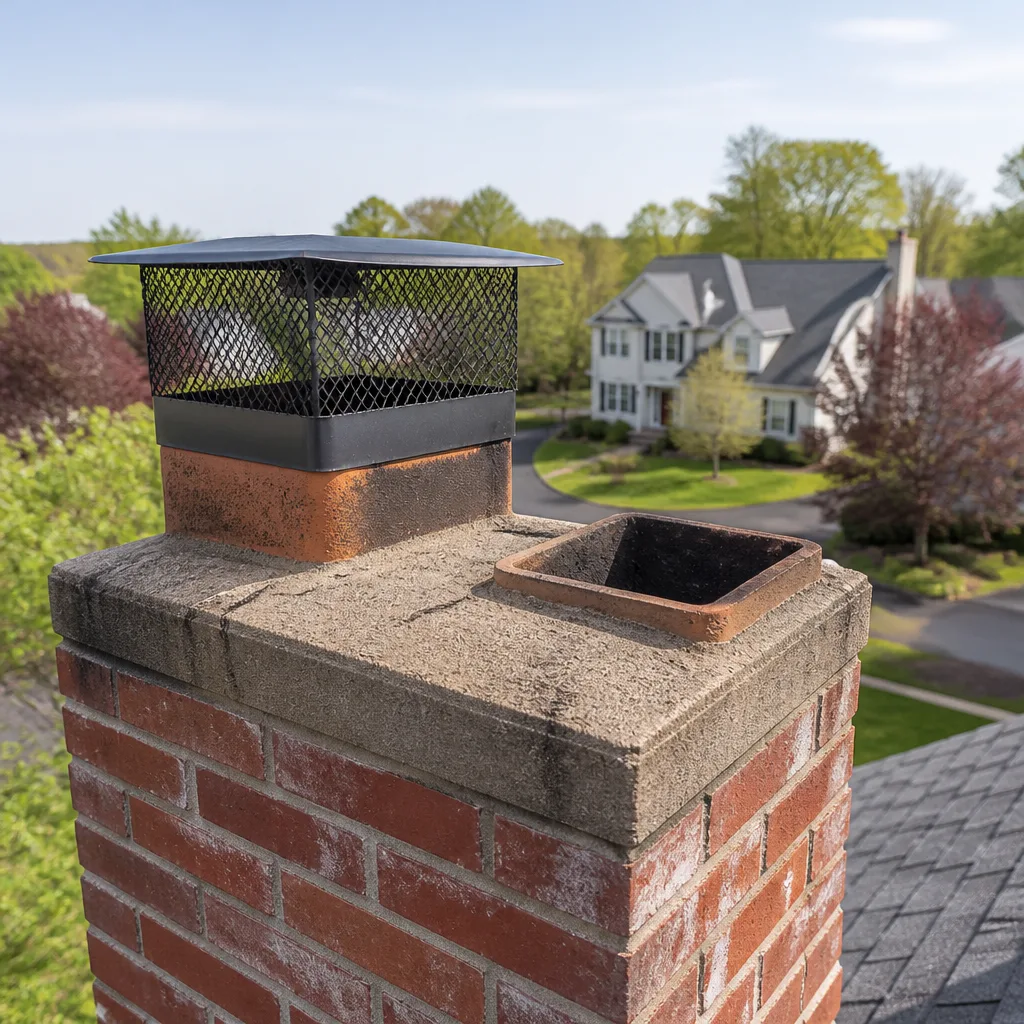 Sweep & inspection
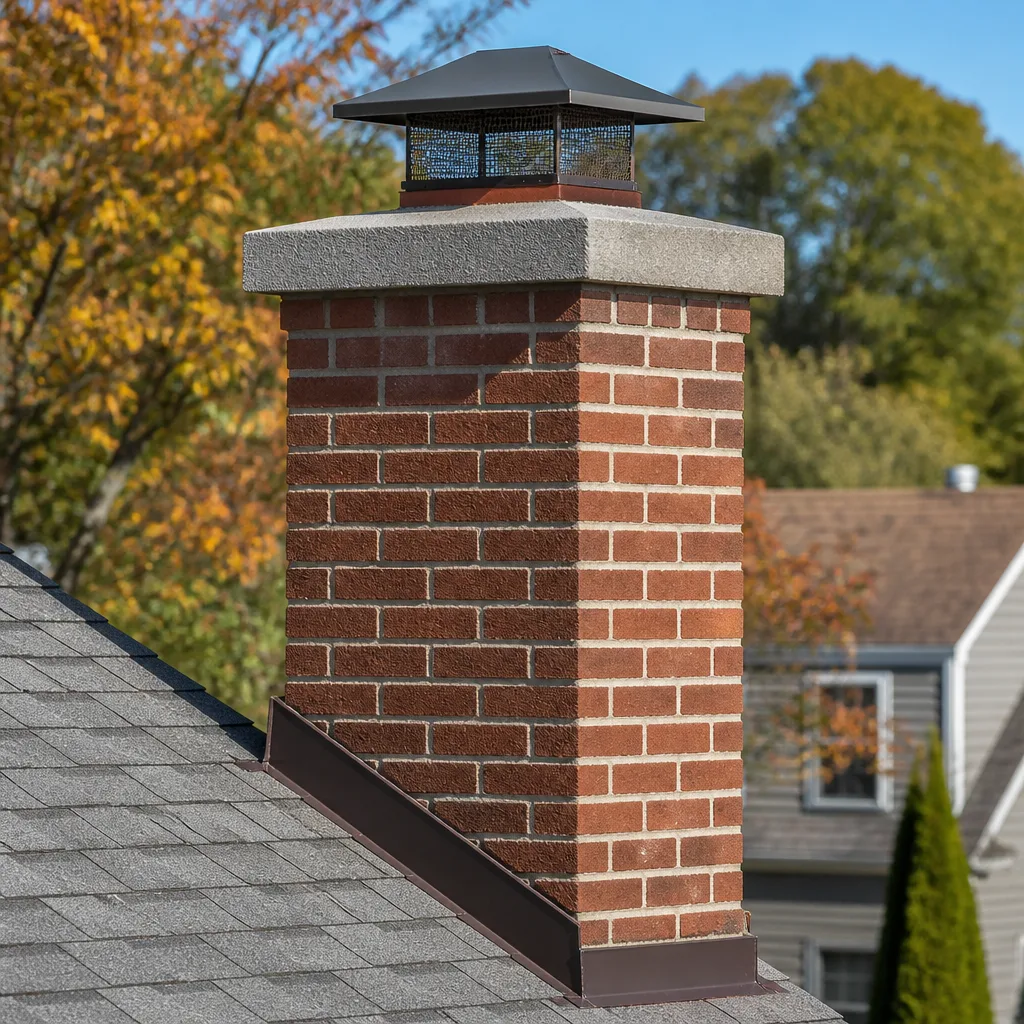 Caps & crowns
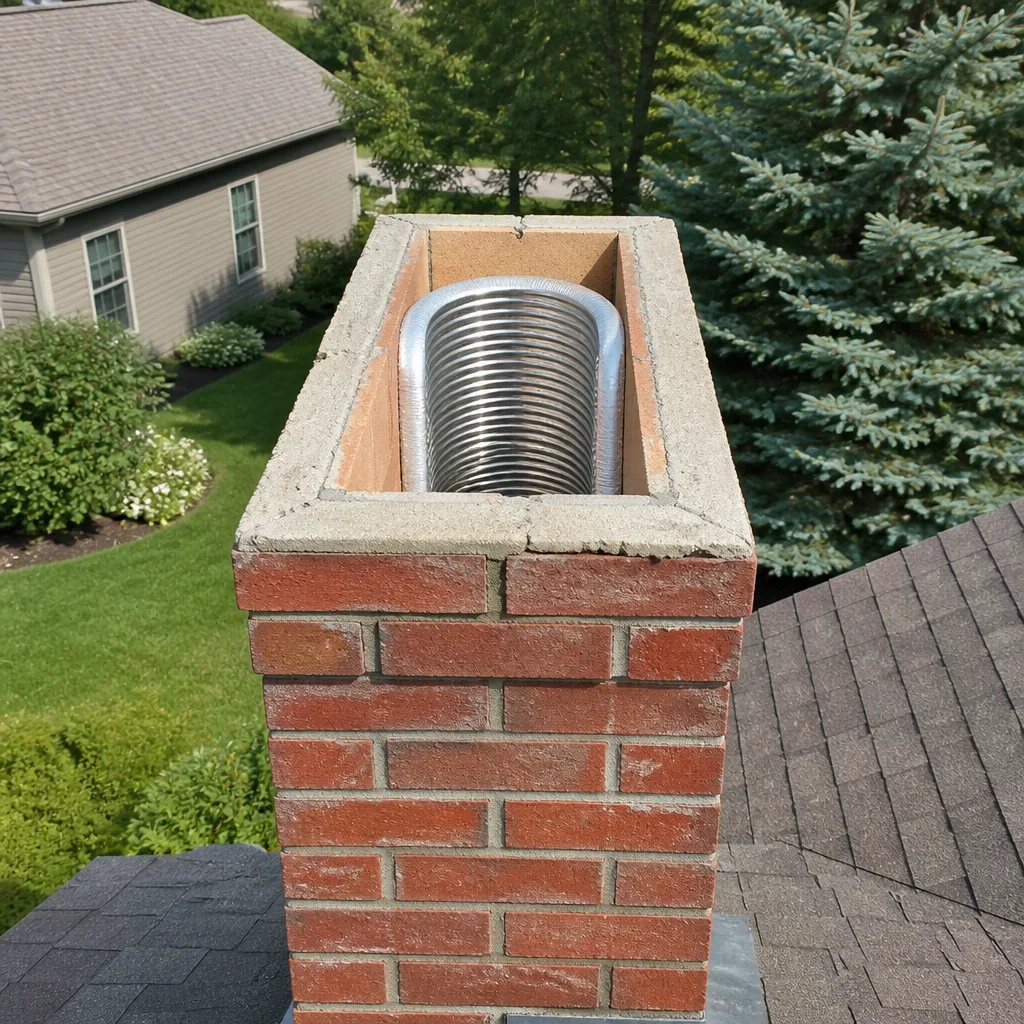 Flue relining
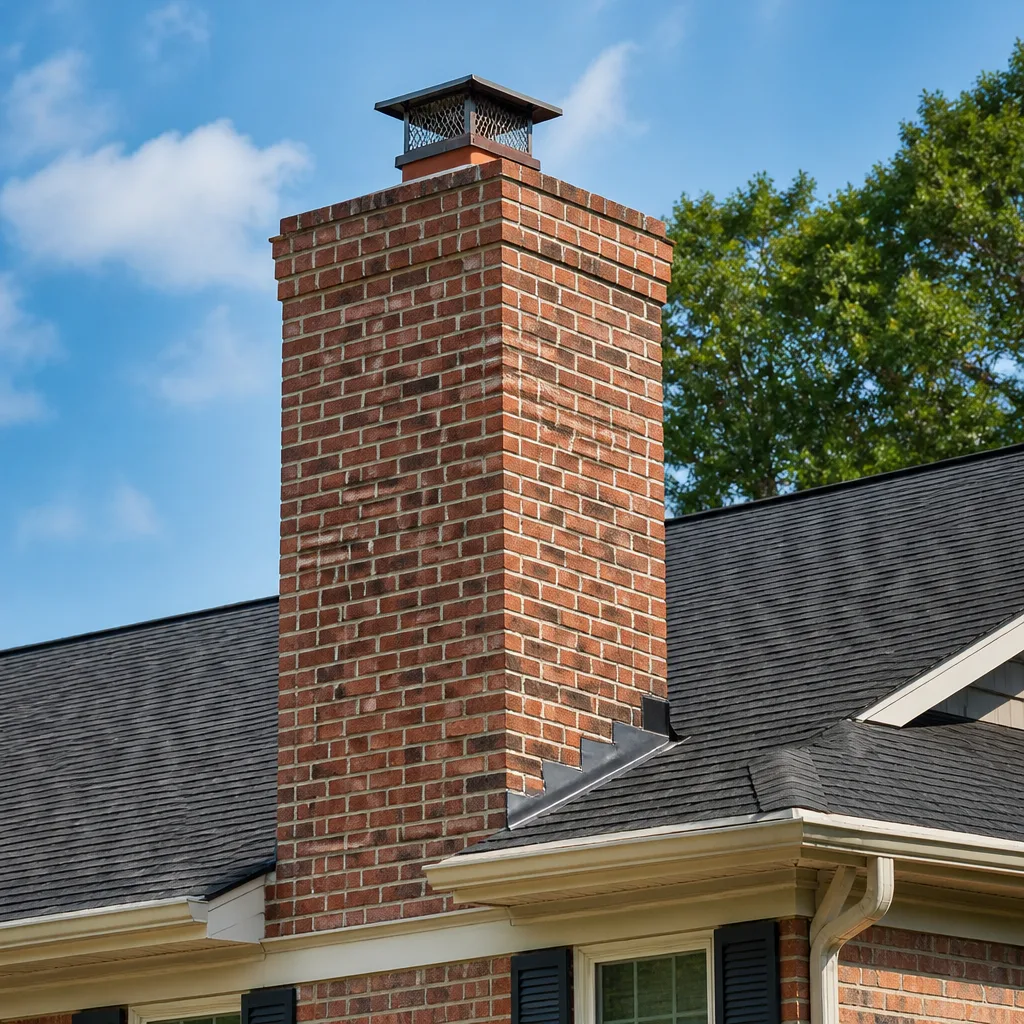 Masonry repair
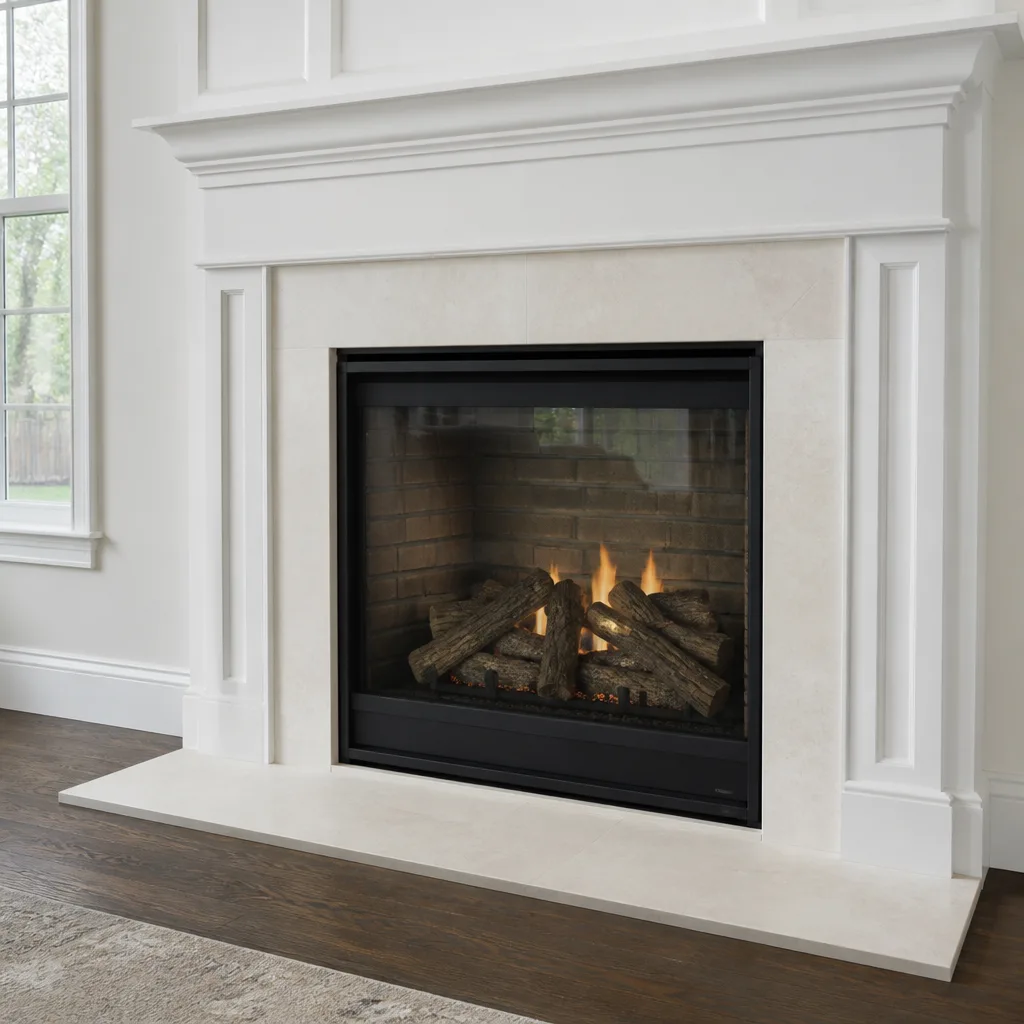 Gas fireplace service
Level 1 sweep and inspection to the NFPA 211 annual standard - flue, crown, cap, and flashing checked and photographed
Chimney sweep logs do not sweep chimneys. They loosen some creosote - which then falls where a brush and vacuum still have to collect it.
Chimney Cleaning Permits, Codes & Inspections in Waco, TX: What You Need to Know
A chimney sweep doesn’t need a permit to clean your flue. That part surprises people who assume any chimney work requires a city stamp. But the moment a technician installs a stainless liner, pours a HeatShield application, or rebuilds a crown, the job crosses into work that building codes treat as a modification. And unpermitted modifications have a way of surfacing at the worst possible time, usually during a home sale or an insurance claim. In Waco, where wood-burning fireplaces are common and older housing stock is everywhere, this line matters more than most homeowners realize. This guide explains exactly where the boundary sits, what NFPA 211 requires, how the inspection and permit process works locally, and what documentation you should expect from any contractor who touches your chimney.
Quick Answer
Routine chimney cleaning in Waco requires no permit. Structural alterations, liner replacements, crown rebuilds, and flue resurfacing generally do require a permit from the City of Waco’s building department, and the work must meet NFPA 211 clearance and sizing standards. Unpermitted chimney modifications can complicate insurance claims and home sales, so ask any contractor for the permit paperwork before work begins.
Styles & brands we work with
- Sweep & inspection
- Caps & crowns
- Flue relining
- Masonry repair
- Gas fireplace service
Table of Contents
- Where the Line Falls: Cleaning vs. Alteration
- What NFPA 211 Actually Requires
- How the City of Waco Inspection Process Works
- How to Request a Permit for Chimney Work
- Liners, Crowns, and the Repairs That Need Approval
- Insurance Implications of Unpermitted Work
- What Documentation a Contractor Should Provide
- Common Mistakes to Avoid
Where the Line Falls: Cleaning vs. Alteration
The distinction is simpler than the code language makes it sound. Cleaning removes creosote, soot, and debris from inside a flue that stays structurally unchanged. That’s maintenance, and maintenance doesn’t get a permit. An alteration changes the system itself: the flue’s interior surface, its size, its components, or the masonry around it. That’s construction, and construction falls under the permit rules.
Here’s the practical split we walk homeowners through:
- No permit needed: sweeping, brushing, vacuuming, removing creosote, clearing a bird nest or leaf blockage, a visual inspection, a camera inspection, replacing a chimney cap, installing a spark screen.
- Permit generally required: installing a stainless steel liner, relining a flue, applying a resurfacing product like HeatShield, rebuilding or resurfacing a crown, repairing firebox masonry, repointing the exterior stack above the roofline, changing the flue’s size or configuration.
The reason this trips people up is that a cleaning often reveals the need for one of those repairs. A technician runs a camera up the flue, finds cracked tile joints or gaps in the mortar, and now the job has changed from maintenance to alteration. That’s not an upsell. It’s a genuine fork in the road, and it’s the point where a permit becomes part of the conversation. In our experience, homeowners who understand this split ahead of time make better decisions and don’t get caught off guard when the scope of work expands.
Texas residential building codes follow the International Residential Code, which adopts NFPA 211 as the reference standard for chimneys and vents. That’s the thread running through everything below.
What NFPA 211 Actually Requires
NFPA 211 is the Standard for Chimneys, Fireplaces, Vents, and Solid Fuel-Burning Appliances. It’s the document a Waco building inspector uses as the reference when evaluating chimney work. You don’t need to read it cover to cover, but you should know what it governs, because those are the standards your chimney will be measured against.
The two requirements that come up most often are clearance and liner sizing.
Clearance
NFPA 211 specifies how far combustible materials must sit from a chimney or vent. Inside the structure, that means framing, sheathing, and insulation need adequate separation from the flue. Where a chimney passes through a roof or wall, the same principle applies. If a previous renovation pushed insulation against a chimney or a contractor notched a framing member too close, the chimney may have been non-compliant from the day that work was done. An inspector will look for it. So will a camera inspection, which is why we include one and hand the homeowner the photos.
Liner sizing
A flue liner has to be sized to the appliance, not chosen by whatever happens to fit. A wood-burning fireplace insert with a certain flue collar diameter needs a liner matched to it, and oversized or undersized liners cause drafting problems, smoke spillage, and faster creosote accumulation. When we install a DuraFlex liner, the sizing calculation is part of the job. An inspector checking a liner replacement will ask whether the liner is correctly sized for the appliance and properly connected, so the calculation should be documented, not assumed.
Other NFPA 211 points inspectors check
- Liner condition, including cracks and gaps in clay tile
- Chimney height relative to the roof (the 3-2-10 rule for termination height)
- Spark arrestor or cap presence
- Damper operation and firebox condition
- Clearance from combustibles at every penetration
None of this is exotic. It’s the baseline. But Waco has a lot of older homes, and older homes often carry chimney work done under looser standards decades ago. Getting a straight read on where your chimney actually stands is the starting point for any conversation about permits.
How the City of Waco Inspection Process Works
When a chimney alteration requires a permit, the process runs through the City of Waco’s building department, which operates under McLennan County’s broader permitting framework for unincorporated areas. Here’s how it typically flows:
- Permit application. The contractor submits an application describing the scope of work: liner replacement, crown rebuild, masonry repair, or flue resurfacing. Drawings or product specifications may be required depending on the scope.
- Plan review. The city reviews the application against applicable codes, including the NFPA 211 standards referenced by the IRC. For a straightforward liner replacement with product documentation, this is often a quick review. For structural masonry work, it takes longer.
- Permit issued. Work can proceed once the permit is issued. The permit number should be visible on the job site or available on request.
- Inspection. A city inspector visits at the appropriate stage. For a liner replacement, that’s typically after installation so the inspector can verify connections, clearances, and terminations. For masonry, inspections may happen at multiple stages.
- Sign-off. Once the inspection passes, the permit is closed. That closure record is the documentation that matters years later.
Timelines vary with the city’s workload and the complexity of the job. A homeowner who wants to know where things stand should ask the contractor for the permit number and the inspection status. That’s a reasonable question, and a contractor who does this work regularly will have the answer without hesitation.
One thing worth knowing: the inspection protects you, not just the contractor. A closed permit is documented proof that an independent party looked at the work and found it met code. That proof is what a future buyer’s inspector will want to see, and what an insurance adjuster will reference if there’s ever a claim.
How to Request a Permit for Chimney Work
Homeowners can pull a permit themselves in many jurisdictions, but for chimney work we recommend letting the contractor handle it. The application requires knowledge of the scope and the applicable standards, and a permit pulled by a homeowner shifts the inspection responsibility onto the homeowner’s shoulders. Here’s the sequence we follow, and the sequence you should look for from any chimney contractor in Waco:
- Inspection first. Before any permit application, get a camera inspection and a written scope of work. You can’t permit what you haven’t defined. A reputable contractor will photograph the problem, explain it, and put the proposed repair in writing.
- Confirm whether a permit is required. Ask the contractor directly. For a cleaning, the answer is no. For a liner, crown, or masonry repair, the answer should generally be yes. If a contractor tells you a liner replacement needs no permit, ask them to confirm that with the city in writing.
- Gather documentation. The application will reference the product being installed. For a DuraFlex liner or a HeatShield application, that means manufacturer specifications, sizing calculations, and installation instructions.
- Submit the application. This is the contractor’s job on your behalf. You should receive a copy of the permit once issued.
- Schedule the inspection. The contractor coordinates with the city. You should be told when the inspection is scheduled and what the outcome was.
- Keep the closed permit. Store the final inspection record with your home documents. It’s proof of compliant work and it’s worth keeping indefinitely.
If you’re in an unincorporated part of McLennan County outside Waco city limits, confirm jurisdiction before assuming the city process applies. Building departments differ, and the last thing anyone wants is a permit pulled from the wrong office.
Liners, Crowns, and the Repairs That Need Approval
Most of the chimney work that requires a permit falls into a handful of categories. Knowing them helps you spot when a quote crosses the line from maintenance into construction.
Liner replacement
A clay tile flue with cracked or deteriorated tiles needs relining before it can safely vent a fire. The options are a stainless liner or a resurfacing product. A stainless liner, like a DuraFlex system, is a full replacement of the flue’s interior surface and requires a permit as an alteration. The liner is sized to the appliance, insulated as needed, and connected at both ends. The inspector will verify the installation and its clearances.
Flue resurfacing
HeatShield is a resurfacing product applied to the interior of a flue to seal cracks and restore a smooth surface. It’s a genuine repair, not a cosmetic treatment, and it changes the flue’s interior. That makes it an alteration for permitting purposes in most cases. The advantage is that it can extend a chimney’s life without a full tear-out, but the permit still applies because the flue has been modified.
Crown work
The crown is the masonry cap at the top of the chimney that sheds water away from the structure. A cracked crown lets water into the chimney, and water is the most consistent cause of chimney deterioration in this part of Texas. Rebuilding or resurfacing a crown is masonry work and requires a permit. So does repointing the exterior stack, repairing a firebox, or replacing a damper assembly that involves masonry.
What doesn’t need a permit
A chimney cap replacement or a new spark screen is a component swap, not an alteration. Even so, the fit matters. A cap that’s too small or poorly seated lets water and animals in, which defeats the purpose. Products like those from Gelco or Famco are purpose-built for this and worth specifying over a generic cover. It’s a small detail that protects the system between service visits, and it’s the kind of thing we look at during any sweep.
Insurance Implications of Unpermitted Work
This is where the permit question stops being administrative and starts being financial. Insurance carriers care about unpermitted work for one reason: it’s evidence that the work wasn’t inspected against code. When a claim arises, that evidence can complicate things considerably.
Here’s what carriers look for when a chimney-related claim is filed:
- Documentation of the work. Was the work permitted? Was it inspected? Who did it?
- Compliance with code at the time of installation. An unpermitted liner that doesn’t meet NFPA 211 clearance or sizing standards is a red flag.
- Maintenance records. A history of regular sweepings and inspections supports a claim. A chimney that hasn’t been looked at in a decade does not.
- Cause-and-origin investigation. If a chimney fire occurs, the adjuster will want to know whether the flue was properly lined and maintained. An unpermitted liner install gives the carrier grounds to investigate further, and possibly to dispute coverage.
Home sales expose the same issue. A buyer’s home inspector will look at the chimney, and a missing permit record or a visible non-compliance will show up in the inspection report. The seller then faces a choice: absorb the cost of making it right, or negotiate it off the sale price. Either way, the unpermitted work costs more than the permit would have.
The asymmetry is what we want homeowners to understand. A permit and an inspection add a step and a fee. Unpermitted work adds potential claims disputes, sale delays, and the cost of redoing the work. It’s not a close call.
What Documentation a Contractor Should Provide
Whether a job needed a permit or not, the documentation matters. Here’s what a chimney contractor should give you, and what you should ask for if they don’t offer it.
Before work begins
- Camera inspection with photos. Not a verbal description. Actual images of what’s inside your flue, so you can see what the contractor sees.
- Written scope of work. What’s being done, what product is being installed, and why. If a liner is being installed, the make and model should be stated.
- Permit number if the work requires one, along with confirmation of who’s pulling it.
After work is complete
- Product documentation. Manufacturer specs for the DuraFlex liner, HeatShield application, or other product installed. The same documentation your inspector will reference.
- Photos of the completed work. Especially for liner installations, where the interior isn’t visible from the ground.
- Closed permit and inspection sign-off if applicable. This is the document that proves independent verification.
- A written summary of any remaining recommendations and what can safely wait.
We include a camera inspection and a photo report with every sweep, and we hand the homeowner the images. It’s how we work, and we think it should be how everybody works. But if your contractor doesn’t offer this, ask. The question itself is a useful screen.
If you have a project you’re weighing, from a routine sweep to a full reline, a Chimney Sweep Waco service call is a reasonable place to start, because the inspection comes first and the recommendations follow the evidence. You can also read more about what a chimney sweep involves and how much of the work falls before or after a permit threshold.
Common Mistakes to Avoid
- Assuming a liner replacement needs no permit because the original install didn’t have one. Older homes in Waco often carry work done under different standards or with no permit at all. Repeating that today just compounds the problem. Ask the contractor to confirm jurisdiction and permit requirements in writing.
- Taking a verbal scope of work. If the repair isn’t in writing with photos, you have no record of what was proposed or why. Get it documented before the work starts, and keep it with your home records.
- Skipping the camera inspection. A visual look down the flue from the top catches almost nothing. Camera inspection is the only way to see cracked tiles, gaps, and failed joints inside the flue. It’s included in our sweeps, and it should be included in yours.
- Letting a general handyman do chimney structural work. Chimney systems are governed by NFPA 211 for a reason. Liner sizing and clearance aren’t guesswork, and a contractor unfamiliar with the standards will miss details that matter. Use a chimney specialist.
- Tossing the permit paperwork instead of keeping it. The closed inspection record is proof of compliant work. Lose it and you lose the proof, which matters years later at a home sale or a claim.
- Buying a cap that’s the wrong size. A cap that doesn’t seat properly lets water and animals in. It’s a small part that matters between visits. Specifying the right size is part of the job.
- Ignoring a cracked crown. It’s a small repair that becomes masonry damage to the whole stack once water gets in. Waco’s rains are enough to feed that problem for a year before you see the interior damage.
See the difference
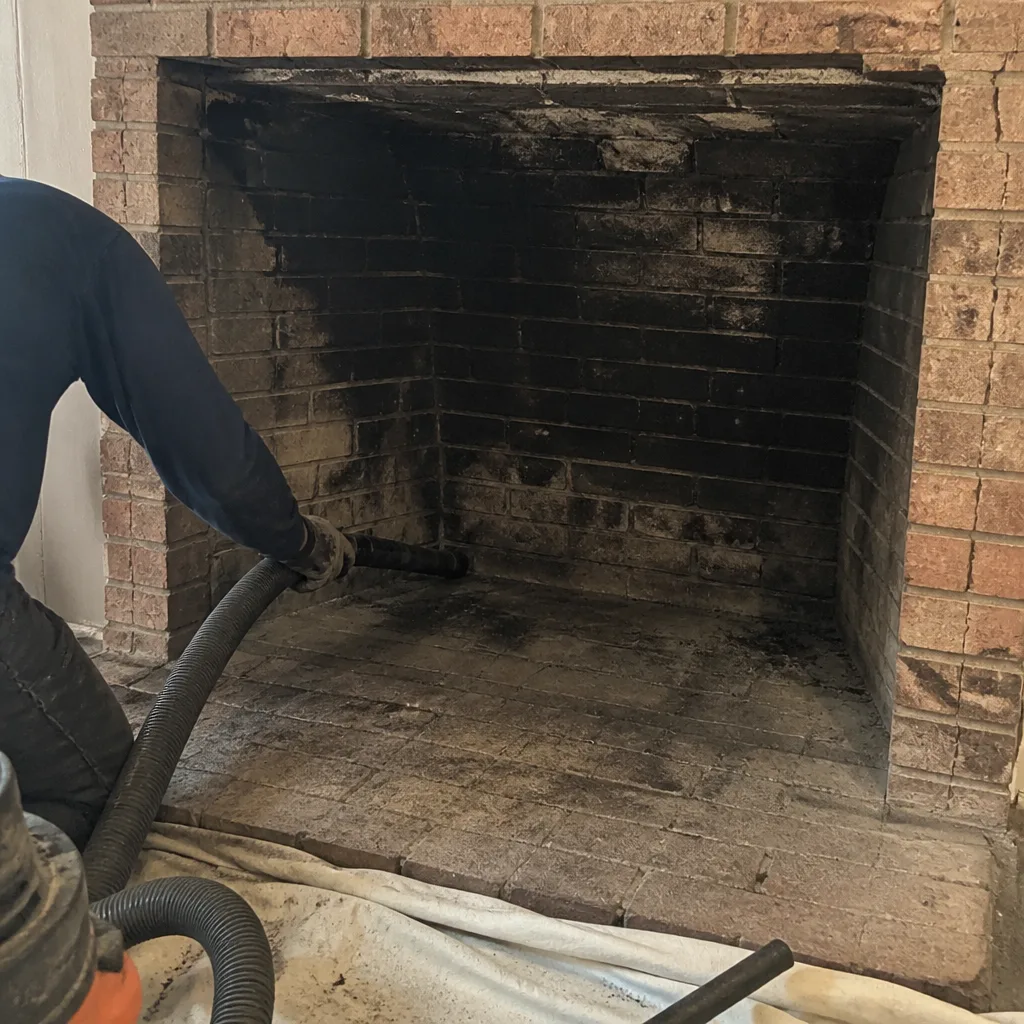 Before
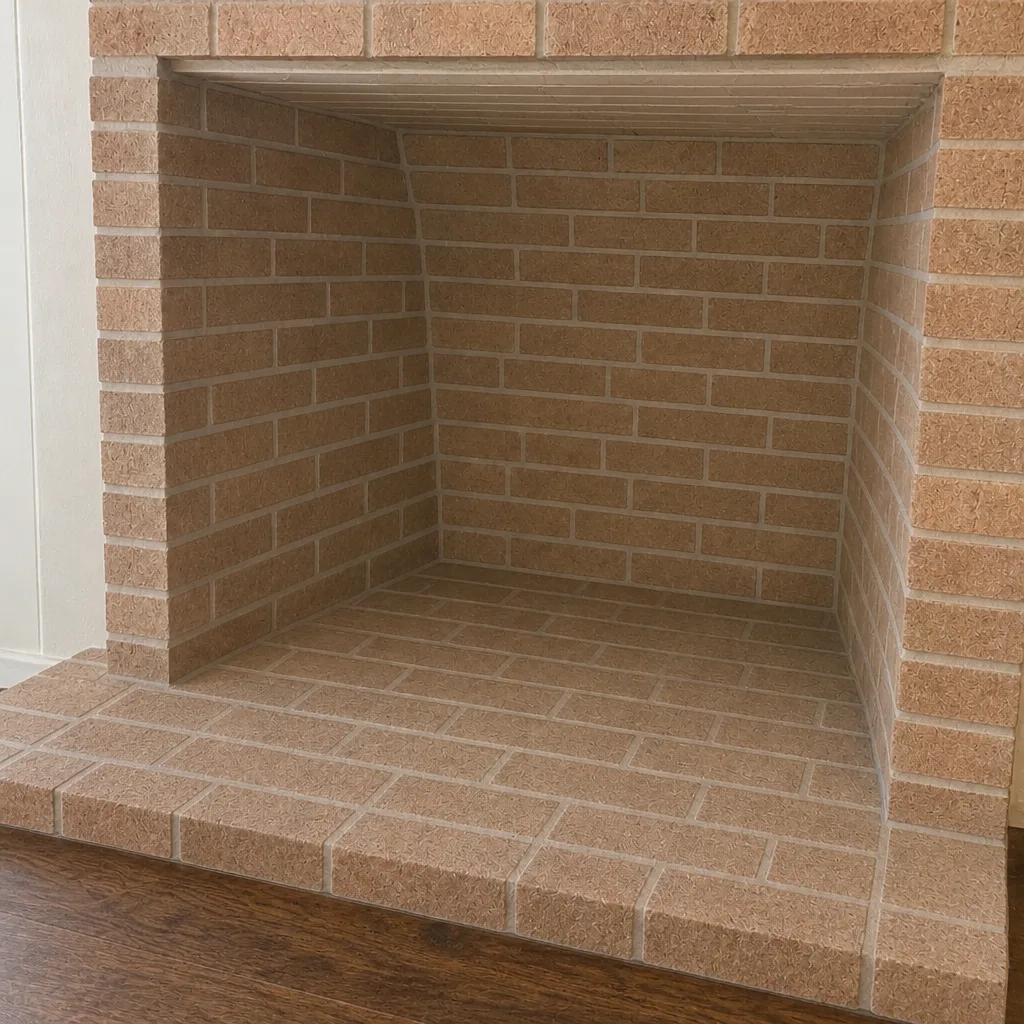 After
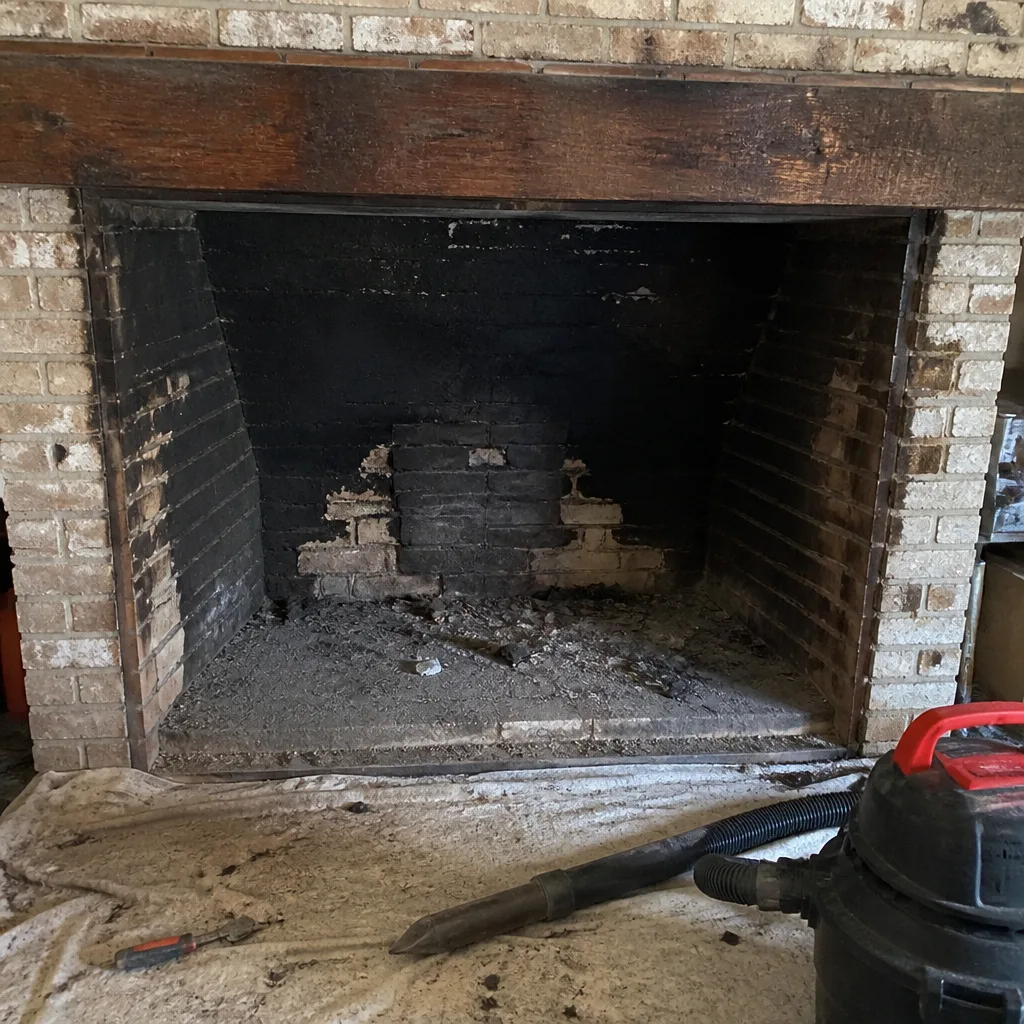 Before
 After
 Before
 After
When to Call a Professional
Some situations call for a call rather than a lookup. Call a professional if your chimney hasn’t been inspected in more than a year and you burn wood regularly. Call if you see white staining on the exterior masonry, which usually means moisture penetration. Call if you’ve had a chimney fire, even a small one, because the flue tile often cracks in ways that aren’t visible from below. Call if smoke rolls into the room instead of going up, which points to a drafting or sizing problem. Call if a previous contractor’s work isn’t documented and you’re not sure whether it was permitted. And call if you’re planning a liner replacement and want the permit paperwork handled correctly. Chimney Sweep Waco offers free estimates in Waco. Call (866) 370-3896. We answer 24/7. Fast dispatch from 7am to 7pm, Sunday through Friday.
Frequently Asked Questions
No. Routine chimney cleaning requires no permit in Waco, because sweeping doesn’t alter the chimney’s structure. A permit only becomes necessary when the job involves a structural change, like a liner installation, crown repair, or flue resurfacing. Call (866) 370-3896 for an exact quote on a sweep or an inspection.
Yes, in most cases. A liner replacement is an alteration of the flue’s interior surface and configuration, which triggers permit requirements under most building codes. The contractor should pull the permit, coordinate the inspection, and provide you with the closed record when the work is complete. Call (866) 370-3896 to ask about the permit process for a liner job.
NFPA 211 is the national standard for chimneys, fireplaces, vents, and solid fuel-burning appliances, and Texas residential building codes adopt it as the reference standard for chimney work. A Waco building inspector evaluates chimney alterations against it, particularly clearance from combustibles and liner sizing for the appliance. Whether you’re in Waco or an unincorporated part of McLennan County, the standard applies. Call (866) 370-3896 to schedule an inspection that documents compliance.
It can. Insurance carriers look for documentation of permitted and inspected work when a chimney-related claim is filed. If a liner or crown was installed without a permit, the carrier may investigate further or dispute coverage. The cleanest way to protect a claim is to have permitted, inspected work documented from the start. Call (866) 370-3896 to discuss the paperwork for your project.
Homeowners can pull permits themselves in many jurisdictions, but for chimney work we recommend letting the contractor handle it, because the application requires knowledge of applicable standards and the contractor bears the inspection coordination. If a contractor pulls the permit, you should receive a copy and the inspection outcome. Call (866) 370-3896 to ask about how we handle permits on chimney repair jobs in Waco.
A camera inspection is the only way to know for sure, because the difference between cleaning and repair is invisible from the ground. A sweep removes creosote and debris, while a repair addresses cracked tiles, failed joints, or a damaged crown, and only the camera sees those. We include a camera inspection with every sweep and hand you the photos so you can see what we see. Call (866) 370-3896 for an exact quote on an inspection.
You should receive product specifications for the installed components, photos of the completed work, a closed permit and inspection sign-off if the work required one, and a written summary of any recommendations that remain. Keep all of it with your home records, because it’s the documentation that matters at a home sale or an insurance claim. For a full look at how we handle this on a chimney repair, see our repair service page.
The Bottom Line
Chimney cleaning in Waco doesn’t need a permit, and that’s the easy part. The permit question only gets interesting when a sweep turns up a repair, and the line between maintenance and alteration is the one that matters. Liners, crowns, and flue resurfacing are alterations, which means permits, inspections, and documented compliance with NFPA 211. Keep the paperwork. It’s what protects you at a home sale and during an insurance claim. And when a contractor touches your chimney, insist on a camera inspection with photos and a written scope of work, because the work that isn’t documented is the work that costs you later. If you’re in Waco and want a clear read on your chimney, start with an inspection and let the evidence drive the recommendation.
Chimney Sweep Waco works with professional-grade product lines, including Copperfield and HeatShield, so the materials that go into your chimney are the same ones full-time chimney contractors specify. If you’re weighing a permit question or scheduling a sweep, call (866) 370-3896 for a free estimate. We answer 24/7. Fast dispatch from 7am to 7pm, Sunday through Friday. Our technicians have up to 14 years of experience, and we’ll tell you exactly what your chimney needs and why.
Written by the team at Chimney Sweep Waco.