
Last updated November 15, 2026
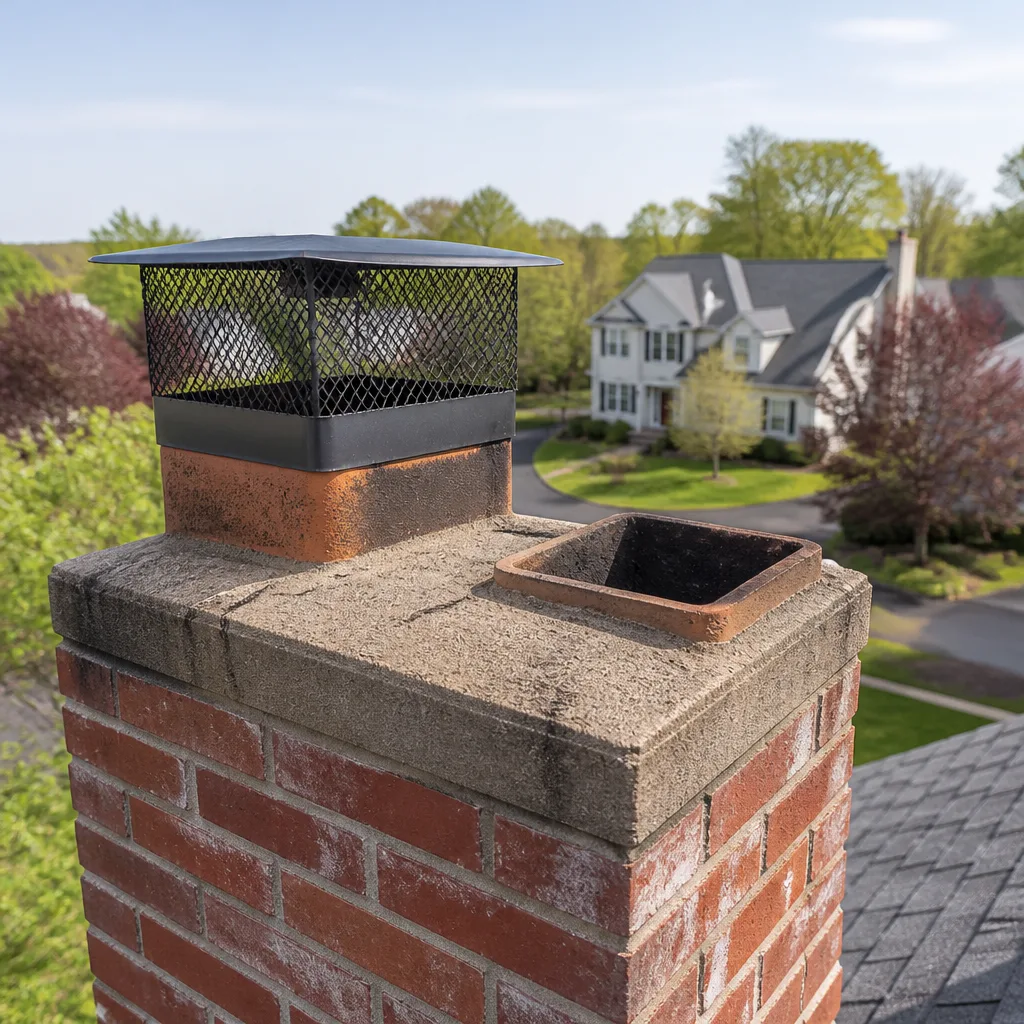 Sweep & inspection
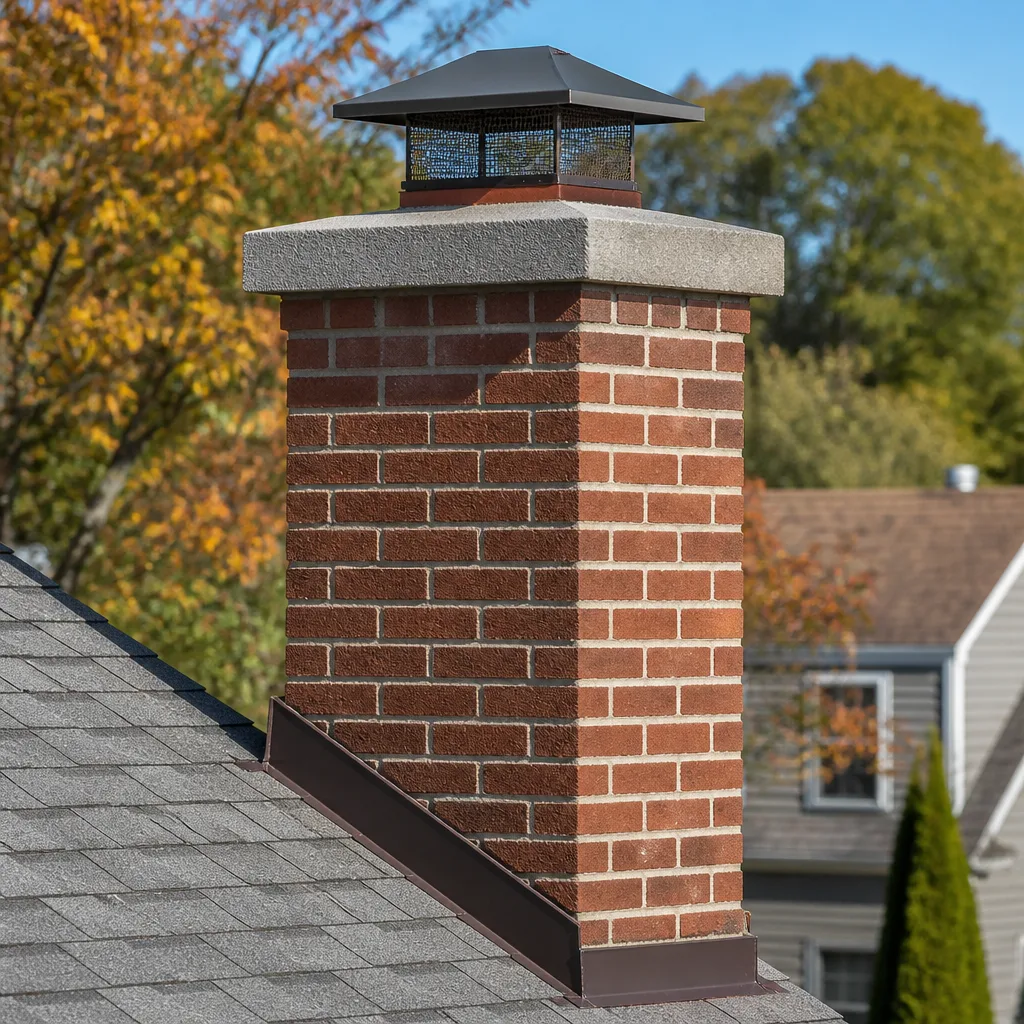 Caps & crowns
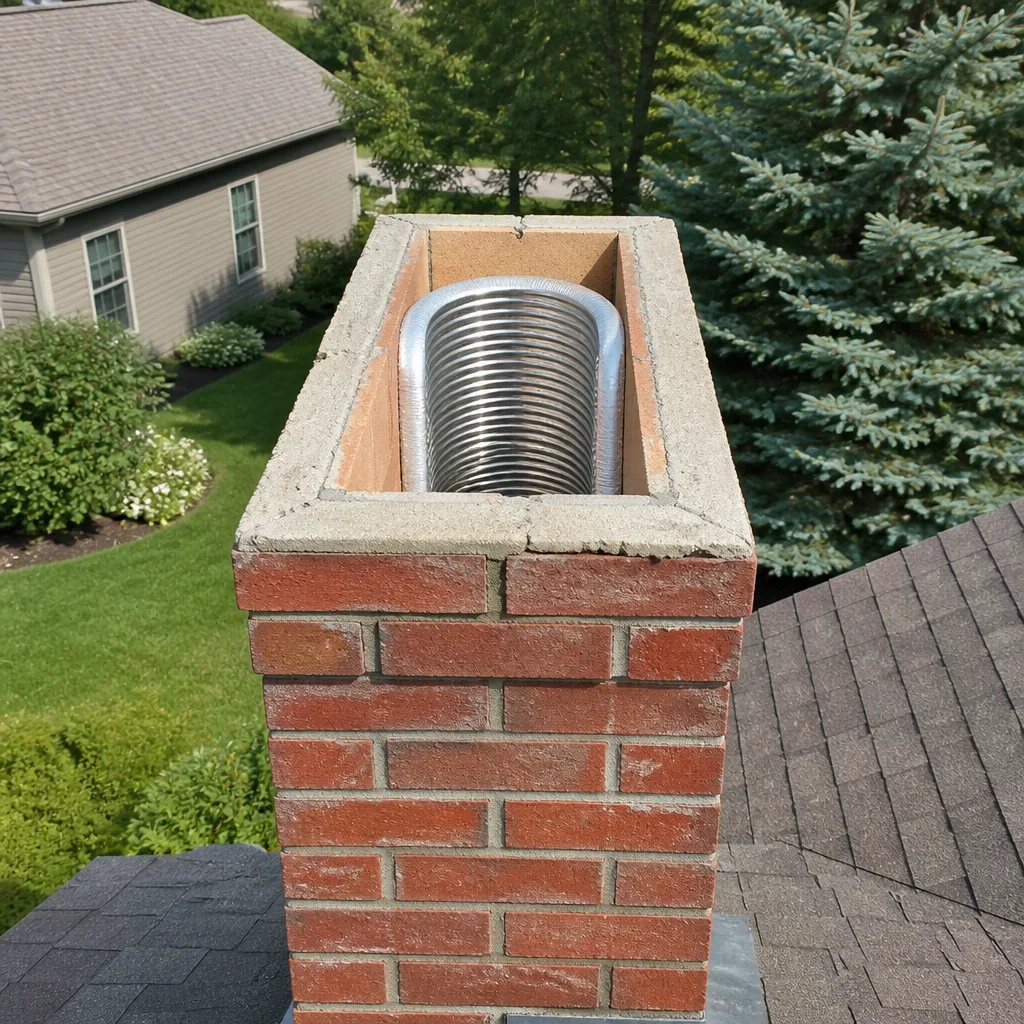 Flue relining
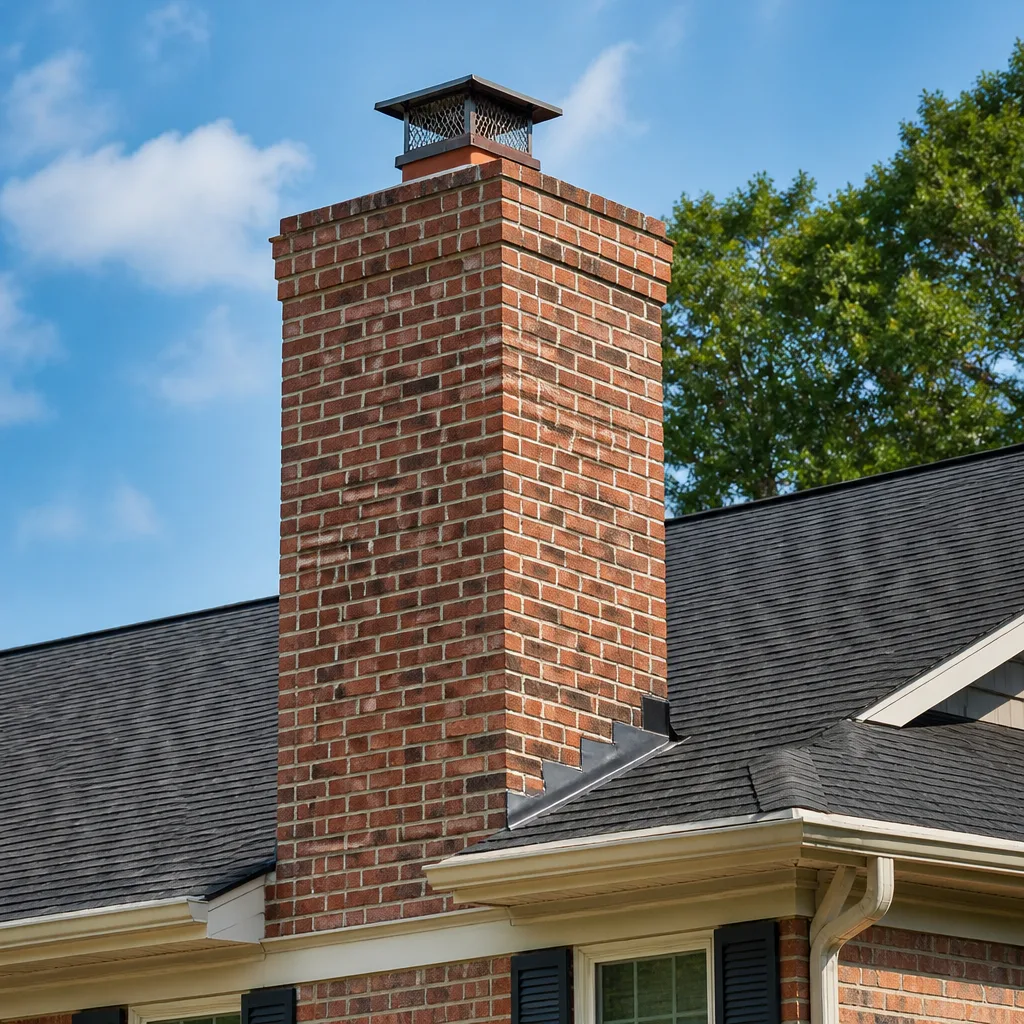 Masonry repair
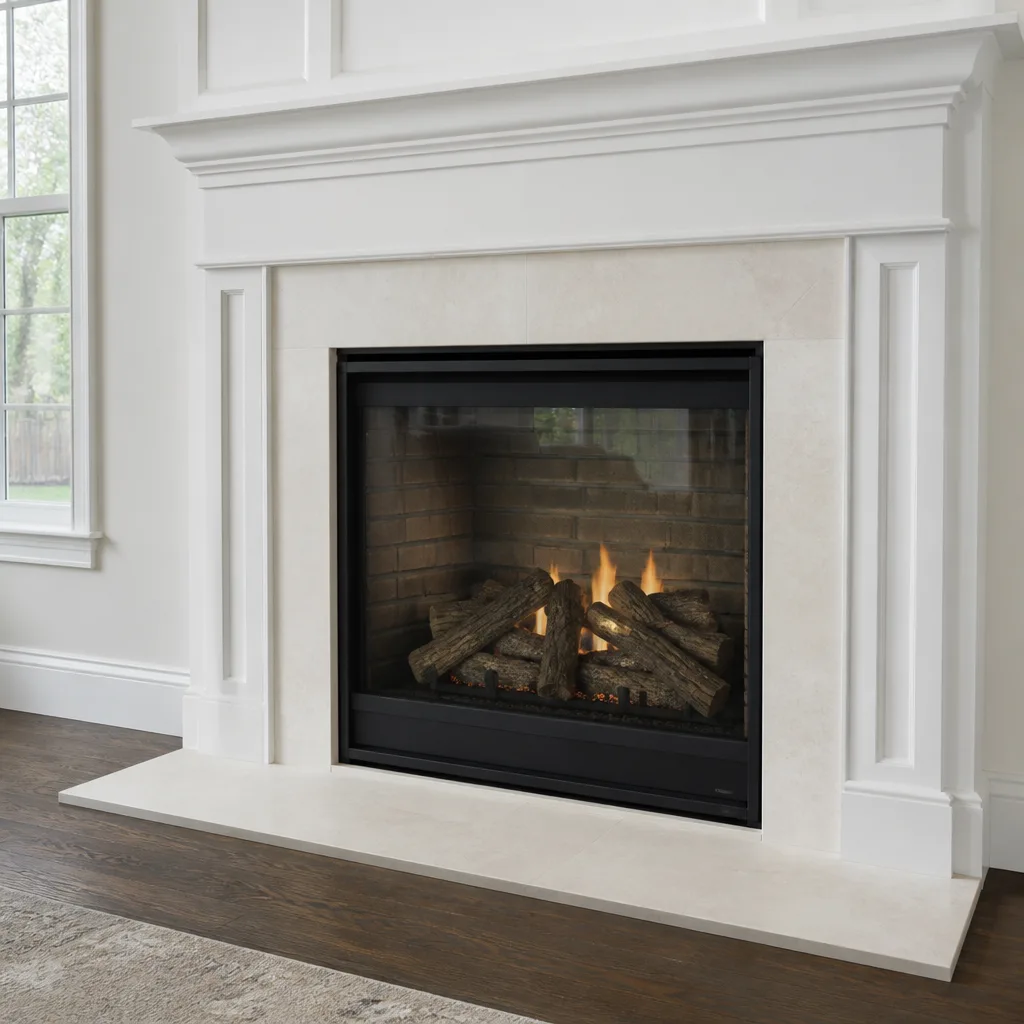 Gas fireplace service
Level 1 sweep and inspection to the NFPA 211 annual standard - flue, crown, cap, and flashing checked and photographed
Chimney sweep logs do not sweep chimneys. They loosen some creosote - which then falls where a brush and vacuum still have to collect it.
Chimney Sweep Maintenance Schedule: What to Do and When
Most chimney advice you’ll find online was written for a house in Minnesota burning four cords a year. Run that advice in Waco and you’re either paying for service you don’t need or skipping the inspection that actually matters. Here’s the part nobody tells you: the calendar is the wrong trigger. What drives chimney maintenance is how much you burn, what you burn, and how the flue is built. A home in Waco that lights twelve fires a season has a very different schedule from one running a wood stove as primary heat. This guide builds a maintenance timeline around actual usage and fuel type, so you know when to schedule a sweep, when to inspect, and what to check yourself between visits.
Quick Answer
In Waco, most wood-burning fireplaces should be swept when creosote builds to 1/8 inch or after roughly one cord of wood, whichever comes first, and inspected at least once a year regardless of how often you burn. Gas fireplaces need an annual inspection and vent check but rarely need sweeping. The two timing windows that matter most here are October, before your first burn, and March, after winter rains have had months to work on the masonry.
Styles & brands we work with
- Sweep & inspection
- Caps & crowns
- Flue relining
- Masonry repair
- Gas fireplace service
Table of Contents
- Why Usage Beats the Calendar in Waco
- Wood-Burning Fireplaces: The Real Schedule
- Gas Fireplaces: A Different Maintenance Track
- The Two Waco Timing Windows
- Between Professional Visits: Your Checklist
- How HeatShield Resurfacing Changes the Interval
- What an Inspection Actually Covers
- Common Mistakes to Avoid
- When to Call a Professional
- Frequently Asked Questions
Why Usage Beats the Calendar in Waco
Waco winters are mild. Most wood-burning fireplaces here see fewer than fifteen fires across a season, and plenty see three or four. That’s a very different maintenance picture from a cold-climate home running a fire six nights a week from October to April. The standard “sweep every year no matter what” line assumes heavy use, and applied to a light-use Waco fireplace it means you’re paying for a sweep that clears almost nothing.
The recognized industry benchmark is simpler than a calendar. The Chimney Safety Institute of America sets two triggers for sweeping: creosote accumulation of 1/8 inch, or roughly one cord of wood burned. Either one, on its own, means it’s time.
- Under half a cord a year (the common Waco case): annual inspection, sweep on the inspection’s recommendation, often every second or third year.
- One cord a year: annual sweep plus inspection, no exceptions.
- Two cords or more, or a stove used as primary heat: sweep at the start of the season and check again mid-season.
- Any amount of burning, if you burn poorly seasoned wood or a lot of softwood: build-up accelerates fast, so inspect more often.
We’ve seen flues in the older homes around the Sanger Heights and Dean Highland neighborhoods that looked fine from the firebox but were well past 1/8 inch up top, because the fire burned slow and cool. Slow, cool fires deposit more creosote than hot ones. How you burn matters as much as how much.
Wood-Burning Fireplaces: The Real Schedule
For wood-burning fireplaces and stoves, build a schedule around three things: how much you burn, what condition the flue is in, and what the last inspection found. Here’s how a year should look for a typical Waco home that burns occasionally.
- October: pre-season inspection. Before your first fire of the season, have the chimney inspected. This catches last year’s build-up, a damaged cap, or a flue that a winter of rain got into. A sweep at this visit means you start the season clean.
- Through the season: watch and listen. Check the firebox after each burn for crumbling mortar or cracked tile. Listen for a change in how the fire draws. If smoke starts rolling back into the room, stop burning and get it looked at.
- March: post-season inspection. Once you’ve stopped burning, have the chimney checked for what winter did. This is when moisture damage, a cracked crown, or a failed cap shows up. Fixing it in spring means it’s handled long before the next burn.
- Ongoing: sweep at the threshold. If you cross one cord or the 1/8-inch creosote line, sweep regardless of where you are in the year.
That’s the whole rhythm. Two professional visits a year in most cases, one a light sweep and one a full inspection, timed around your actual burning. A chimney sweep in Waco done on this schedule costs far less over a decade than the annual-sweep-by-default approach, and you catch problems sooner.
Gas Fireplaces: A Different Maintenance Track
Gas fireplaces don’t produce creosote, so the sweep trigger doesn’t apply. What they do produce is moisture and mild acidic condensate in the vent, along with dust and debris in the burner assembly. That means the maintenance schedule is about inspection and cleaning, not sweeping.
- Annual inspection of the vent, termination cap, and firebox. Gas vents can corrode or nest-block from the outside, and a blocked vent is a carbon monoxide concern.
- Burner and log cleaning once a year, which removes dust and any spider activity that can clog the orifices. A gas log set that won’t light evenly is often just dirty.
- Vent check after any major storm. A shifted cap or a bird nest in the termination is common and should be caught early.
- Glass and gasket check on direct-vent units, since a failing gasket lets combustion byproducts into the room.
If your home in Waco has a gas insert or a gas log set you run for ambiance a handful of times a year, the annual inspection is still worth it because the failure modes are hidden. You can’t see a cracked vent from the living room. And if you ever convert from wood to gas, or the reverse, the schedule resets entirely, so tell whoever inspects it what the fireplace actually is.
The Two Waco Timing Windows
Central Texas gives you two clean moments to schedule chimney work, and both line up with the weather rather than an arbitrary reminder.
October: the pre-season window. This is before your first burn and after the worst of the summer heat. Booking in early October means you’re not competing with the November rush, and any repair the inspection turns up has time to get done before the holidays. If your chimney needs relining, this window leaves room to schedule it properly rather than rushing.
March: the post-season window. Winter rains here are the quiet enemy of masonry. Water gets into a cracked crown, a failing cap, or open mortar joints, and repeated wetting and drying over a mild winter is what turns a small crack into a real repair. March is when those show up clearly, because the chimney has just been through the wet season. Addressing them in spring rather than October means the damage hasn’t had a summer to sit and spread.
Those two windows cover almost every Waco homeowner. The exception is anyone burning through the season without a break, who should add a mid-season check. Call (866) 370-3896 to book into either window. We answer 24/7, and fast dispatch runs from 7am to 7pm, Sunday through Friday.
Between Professional Visits: Your Checklist
The time between professional visits is where most chimney problems either get caught early or quietly get worse. None of this is difficult, and none of it involves getting on the roof or reaching into the flue.
- Look at the firebox after each burn. Check for cracked or missing mortar between the firebrick, and for any tile that’s loose. Small cracks in the firebox are normal wear; wide ones or gaps are a call-us item.
- Test the damper. Open and close it a few times before the season starts. It should move freely and sit flush when closed. A damper stuck open wastes heat and lets rain and animals in; one stuck closed means smoke in the room.
- Check the cap and screen after storms. From the ground with binoculars is fine. Look for a cap that’s tilted, a screen that’s torn, or anything sitting on top of it. A cap is the first line of defense for the whole flue.
- Scan for water. Look for staining on the firebox walls, rust on the damper, or dampness near the hearth. Any of those means moisture is getting in somewhere.
- Watch the draft. A fire that used to draw well and now smokes is telling you something changed. Stop using it and get it checked.
The parts that protect a chimney between visits are the ones most homeowners never think about: the cap, the crown, the flashing. We install caps and venting components from Gelco and Famco precisely because those details are what keep water and animals out, and they’re what the inspection protects. A cap checked twice a year is worth more than a sweep you didn’t need.
How HeatShield Resurfacing Changes the Interval
If your flue has been resurfaced, the maintenance cadence changes, and it changes in your favor. A heat-cured resurfacing product like HeatShield restores a smooth, sealed flue interior over the existing clay tile. That sealed surface does two useful things: it resists the acidic moisture that erodes clay tile, and its smoothness lets creosote and soot release more easily during a sweep.
What that means practically:
- The 1/8-inch creosote threshold still applies, but a sealed flue often stays clean longer between sweeps.
- The annual inspection still matters, because you need to confirm the resurfaced lining is holding and that no separated tile or gap has developed behind it.
- The first inspection after resurfacing is the important one. That’s when any settling or adhesion issue shows up, so don’t skip it.
HeatShield capability is a specific skill, and it’s one of the reasons we carry it alongside DuraFlex liner systems. Resurfacing is a repair-depth service most sweep-only outfits don’t offer, and it extends the life of a flue that would otherwise be a relining job. If a previous inspection told you the flue was “aging but not failing,” resurfacing is often the middle path, and it changes your maintenance math for the better. You can read more about that side of the work on our chimney repair page.
What an Inspection Actually Covers
A real inspection is more than a look up the flue with a flashlight. It’s a check of the whole system, documented with photos, and it’s what lets you make a maintenance decision instead of a guess. Here’s what we go through, and what you should expect from any inspection you book.
- The firebox and damper, checked for cracked mortar, damaged brick, and a damper that seats properly.
- The smoke chamber and smoke shelf, the transition area where a lot of hidden damage lives.
- The flue itself, checked for creosote level, cracked or separated tile, gaps in the joints, and signs of a previous fire.
- The cap, crown, and flashing, the parts that keep water and animals out.
- The exterior, including the chimney’s masonry and its connection to the roofline.
The output is a written report with photos. That matters if you ever need documentation for an insurer, or if you’re buying a home in Waco and want to know what you’re taking on. An inspection should tell you plainly what needs doing now, what can wait, and what would be a mistake to ignore. That’s the standard on our chimney sweep service, and it’s why we recommend the inspection rather than a blind annual sweep.
Common Mistakes to Avoid
- Sweeping every year by default. A Waco fireplace that sees ten fires a season doesn’t need an annual sweep. It needs an annual inspection that tells you whether a sweep is warranted. Paying for a brush that clears nothing is the most common waste we see.
- Skipping the inspection because there’s no build-up. The inspection isn’t only about creosote. It’s where a cracked crown or a failing cap gets caught, and those have nothing to do with how much you burned.
- Burning unseasoned wood to save a few dollars. Green or wet wood burns cool, and cool fires deposit far more creosote. The savings on firewood disappear into a sooner sweep.
- Treating a gas fireplace like a wood one. No sweep needed, but the annual vent and burner inspection is essential, and a blocked vent is a genuine carbon monoxide risk. Two different tracks, not one.
- Ignoring water after the winter rains. Central Texas winters are mild but wet, and a cracked crown or open mortar joint lets water in all season. March is when you fix it, not October after a summer of damage.
- Assuming a resurfaced flue needs no maintenance. A HeatShield or DuraFlex lining still needs its annual inspection. The surface is protected, but the lining has to be confirmed sound each year.
- Using a general handyman for chimney work. Chimney systems are their own trade. A specialist carries the right products, knows the flue types, and can tell you what a flue actually needs rather than guessing.
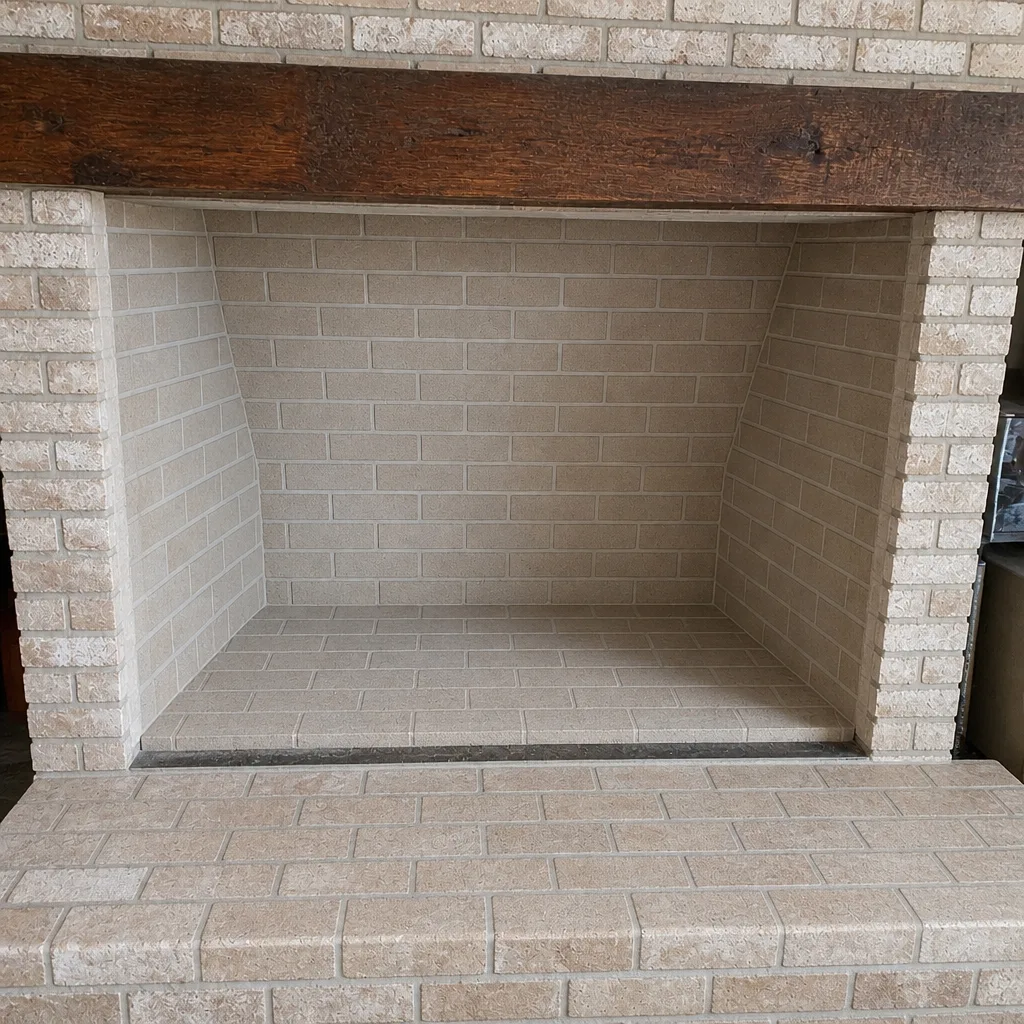
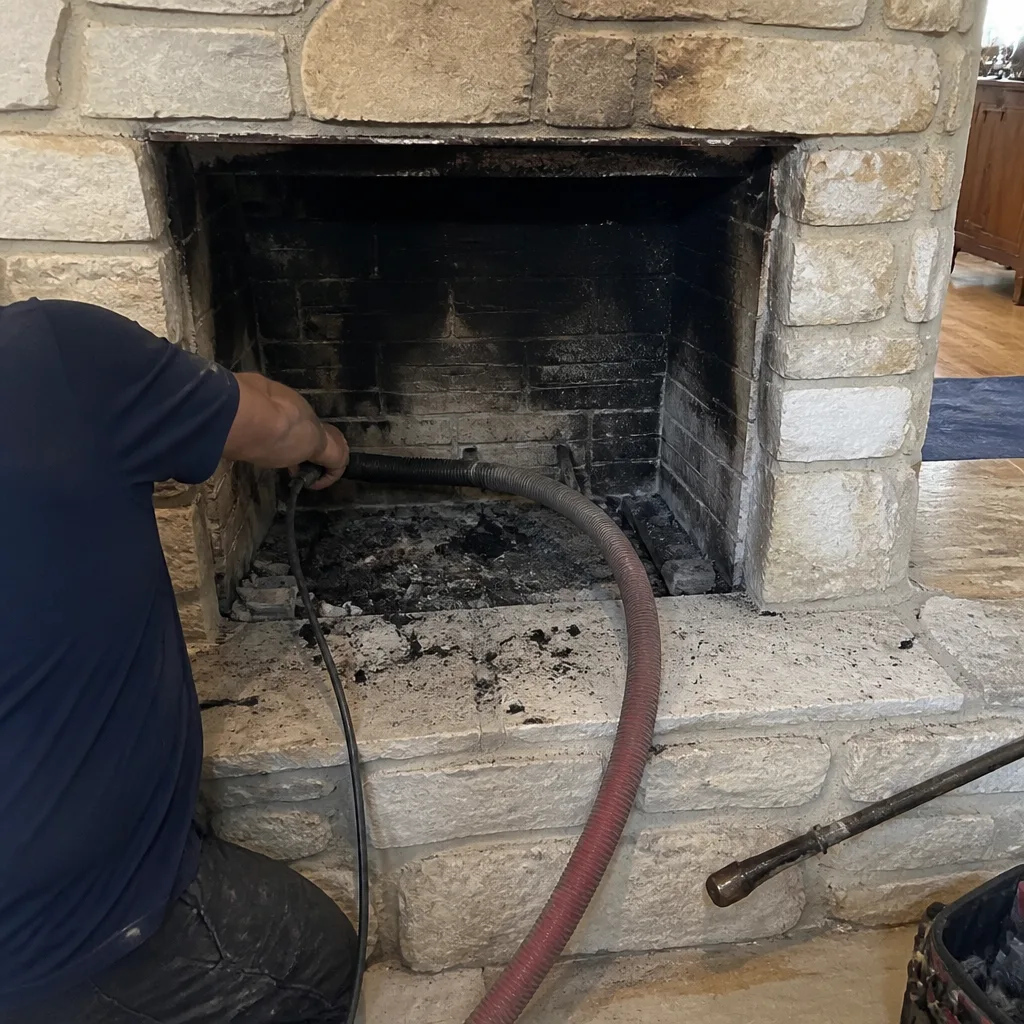
See the difference
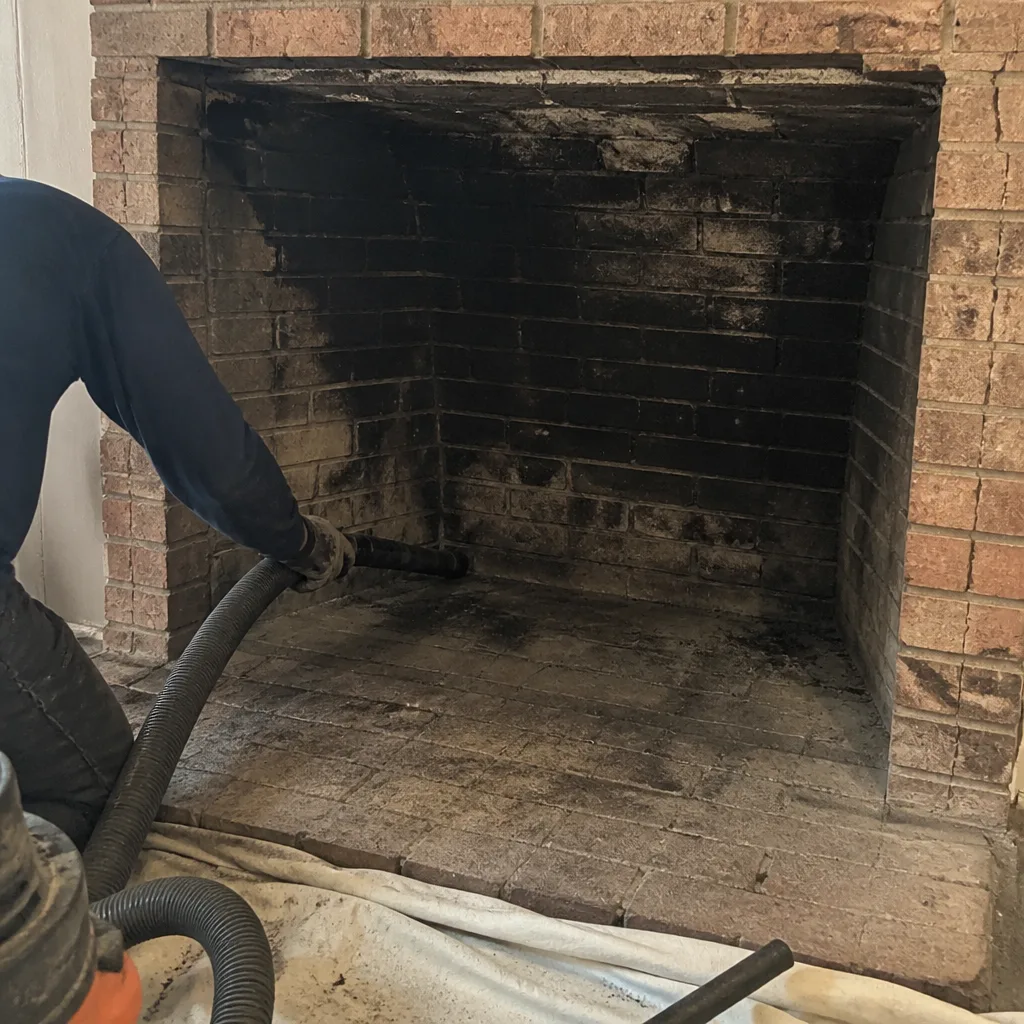 Before
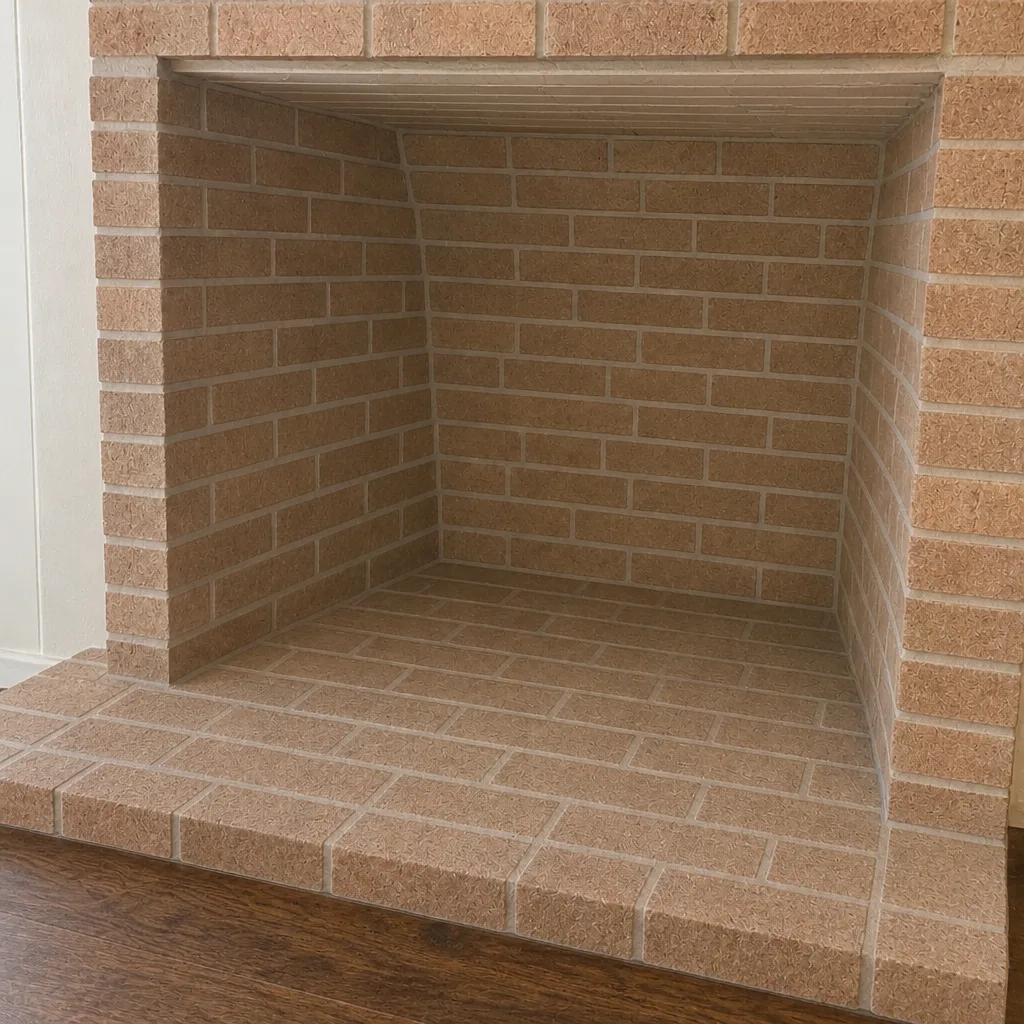 After
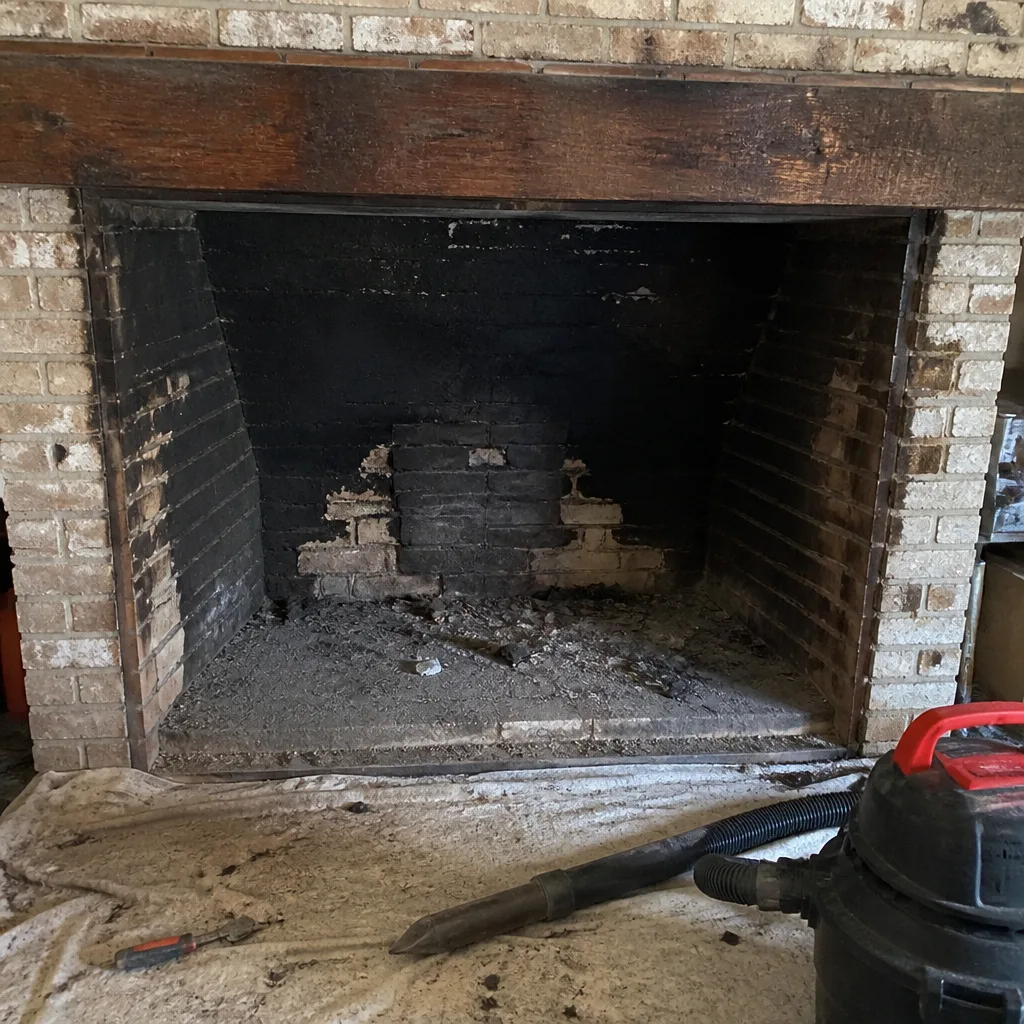 Before
 After
 Before
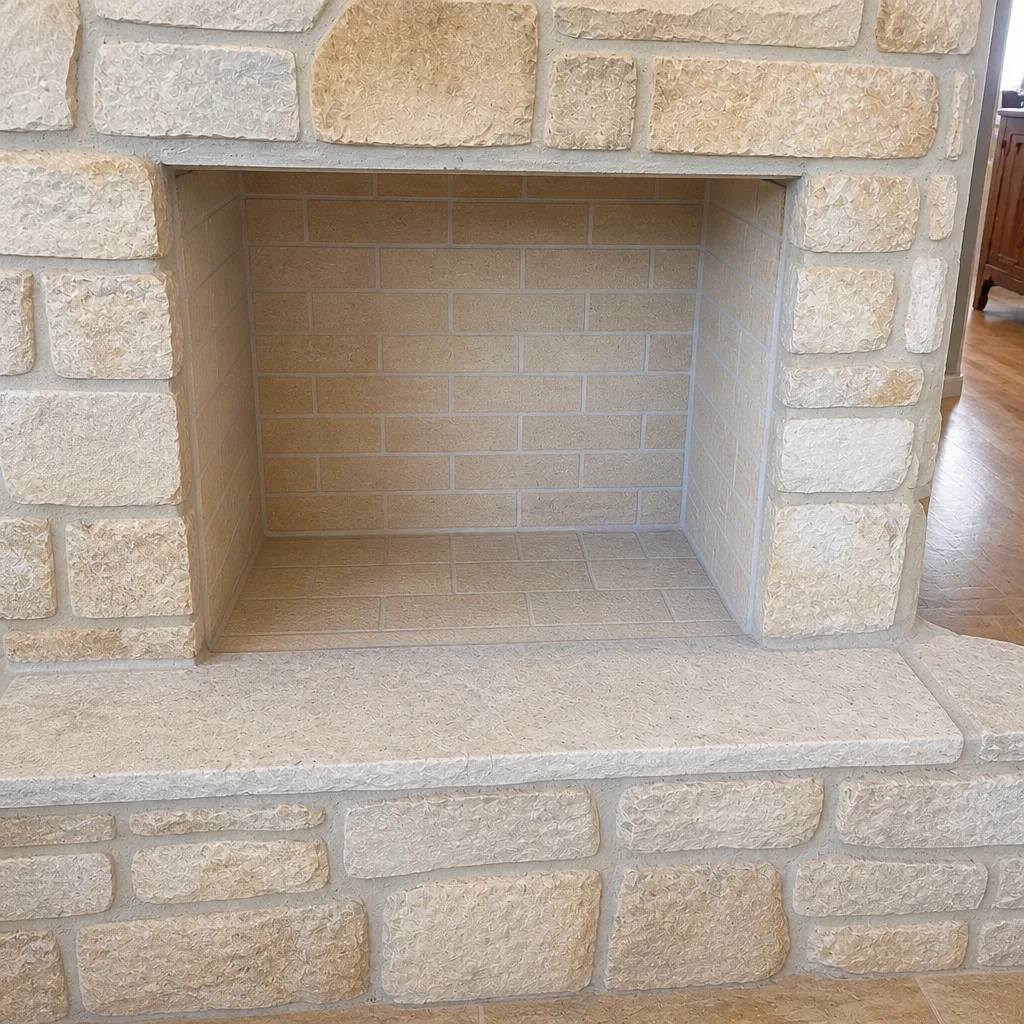 After
When to Call a Professional
Some things are a between-visit check. Others are a call. Reach out to a professional if you see any of these: smoke rolling into the room when you burn, a strong creosote or burning smell that lingers even when there’s no fire, cracked or missing firebrick in the firebox, rust or water staining on the damper, or a cap that’s obviously damaged after a storm. Also call if a previous inspection flagged the flue as aging, if you’ve just bought a Waco home with a chimney you don’t have history on, or if you’ve crossed the one-cord mark this season. And if you’re not sure, an inspection is the low-risk answer: it tells you whether you need anything at all.
Chimney Sweep Waco offers free estimates in Waco – call (866) 370-3896. We answer 24/7. Fast dispatch from 7am to 7pm, Sunday through Friday.
Frequently Asked Questions
In Waco, most wood-burning fireplaces should be cleaned when creosote reaches 1/8 inch or after about one cord of wood, and inspected once a year regardless of how often you burn. Light-use fireplaces seeing ten or fifteen fires a season often only need a sweep every second or third year, decided by the inspection rather than the calendar.
Yes, and it’s the single most useful appointment on the schedule. The inspection isn’t only about creosote; it catches a cracked crown, a failing cap, or a damaged flue that has nothing to do with how much you burned. A lightly used chimney can still take on water damage over a wet winter.
Check the firebox for cracked mortar after each burn, test the damper before the season, check the cap and screen from the ground after storms, and watch for water staining or rust. If the fire starts smoking when it used to draw well, stop using it and get it inspected.
No. Gas fireplaces don’t produce creosote, so no sweep is needed, but they do need an annual inspection of the vent, termination cap, and burner assembly. A blocked gas vent is a carbon monoxide concern, so the annual inspection is the part you don’t skip.
HeatShield resurfacing seals and smooths the flue, so it often stays clean longer between sweeps, but the annual inspection still applies to confirm the lining is holding. The first inspection after resurfacing is the important one, since that’s when any adhesion or settling issue would show up.
The two windows are October, before your first burn, and March, when moisture damage from winter rains is most visible. Booking in early October avoids the November rush and leaves time to complete any repair before the season. Call (866) 370-3896 for an exact quote – estimates are free.
The Bottom Line
The right chimney schedule in Waco is built around your burning, not a generic calendar. Light-use fireplaces need an annual inspection and a sweep decided by what that inspection finds, typically every second or third year. Heavy users and anyone crossing one cord a year need a sweep every season. Gas fireplaces run on a separate track of annual inspection and no sweeping. Put two professional visits on the calendar, October and March, and use the between-visit checks to catch water damage and draft changes early. That’s the whole system, and it’s built for how Waco actually burns.
When you’re ready to schedule, call (866) 370-3896. We answer 24/7. Fast dispatch from 7am to 7pm, Sunday through Friday. You can start with our Chimney Sweep Waco page, or learn more about Waco and the areas we serve.
Written by the team at Chimney Sweep Waco.